
Taro
Colocasia esculenta
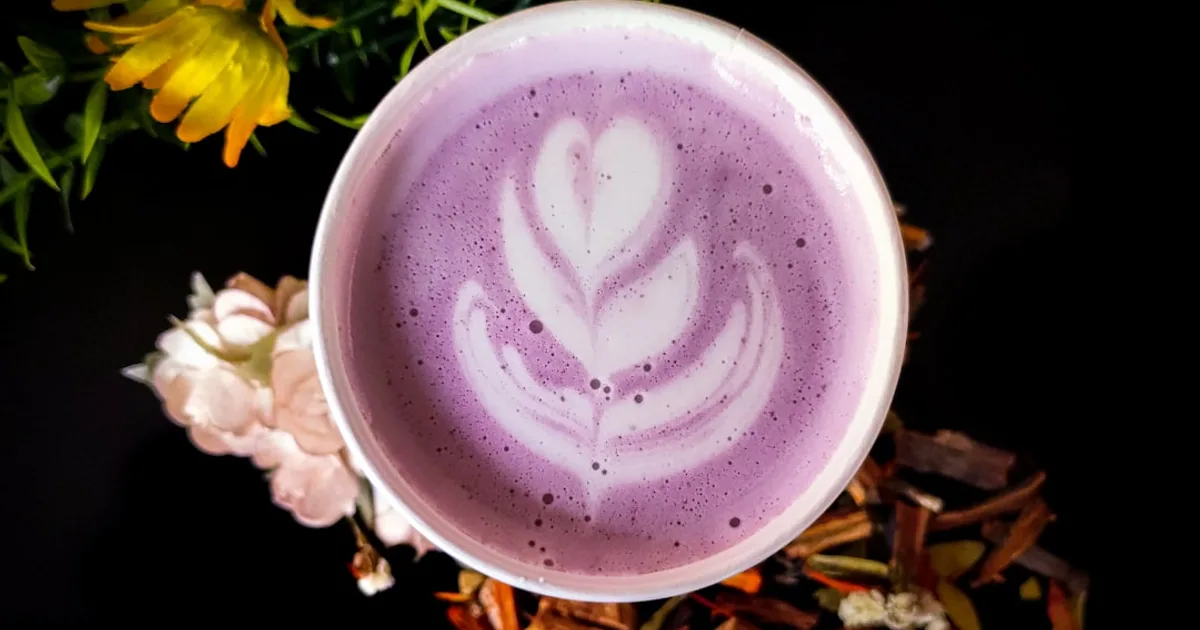
Taro is the starchy root that feeds a significant portion of the world. It’s a dietary staple in Hawaii, West Africa, South Asia, the Caribbean, and the Pacific Islands - and almost entirely absent from the mainstream American grocery store, which is why you’ll pay $2-4/lb for it at Asian or Caribbean markets while it retails for fractions of that in the regions where it’s grown. The plant is also the same species sold as “elephant ear” in garden centers as an ornamental, which means you can grow a food crop that looks dramatic while doing it.
In zones 8-11, taro grows as a perennial. In zones 5-7, it grows as an annual with a long indoor start - the corms are harvested before frost, some reserved for next year’s planting, rest eaten.
What it actually is
Colocasia esculenta is a tropical aroid in the family Araceae, native to South and Southeast Asia, domesticated at least 7,000 years ago (Sharma et al., Taro: Colocasia esculenta, FAO, 1993). It grows 3-6 feet tall with huge, heart-shaped leaves - the same leaves sold as elephant ear ornamentals. The edible part is the corm (underground storage organ, technically not a true root), which can grow 1-5 lb, plus smaller cormels attached around it.
Raw taro contains calcium oxalate crystals, which cause intense itching and burning in the mouth and throat if eaten raw. All traditional preparations cook taro thoroughly (boiling, steaming, roasting), which breaks down the crystals. Handle raw taro with gloves if you have sensitive skin - the sap can irritate.
Key varieties and types:
| Type | Description | Use |
|---|---|---|
| Dasheen | Large central corm, few cormels; main corm is primary harvest | Boiling, mashing, chips |
| Eddoe (C. antiquorum) | Small central corm, many cormels; cormels primary harvest | Curries, soups |
| Japanese taro (Satoimo) | Small cormels; slippery texture when cooked | Japanese simmered dishes |
| Purple taro | Purple-fleshed varieties; higher anthocyanin content | Desserts, poi, visual appeal |
For home gardens, dasheen types produce the best edible-corm yields. Eddoes (sometimes classified separately as C. antiquorum) produce many small cormels useful for Caribbean cooking.
The ROI case
Taro’s value case is market access. In most of the US, fresh taro is only available at Asian, Caribbean, or specialty markets. A gardener who can grow their own substitutes $2-4/lb purchases with a home-produced crop.
The long season (180-200 days) and need for a warm start limit yield per calendar year, but each plant produces a substantial corm plus several cormels.
| Planting | Plants | Yield | Value @$3/lb | Seed cost | Net |
|---|---|---|---|---|---|
| 4 plants | 4 | 8-16 lb | $24-48 | $1.75* | $22.25-46.25 |
| 8 plants | 8 | 16-32 lb | $48-96 | $3.49 | $44.51-92.51 |
*Estimated from $3.49 packet or corm purchase; typically 4-6 corms available.
Perennial zones (8-11): in warmer climates, taro clumps expand year over year. A 4-plant clump in its second and third year yields 25-40 lb with no seed cost, pushing net values higher.
Growing requirements
Season length is the constraining factor north of zone 8. Taro needs 180-200 frost-free days for a full harvest. In zone 6-7 (roughly 150-160 frost-free days), starting 6-8 weeks indoors extends the season enough for a reasonable harvest. In zone 5, even with an early indoor start, yields will be partial.
Starting indoors: start corms in large pots (taro roots are substantial; small cells won’t work) 6-8 weeks before last frost. Keep at 70-80°F; taro needs warmth to sprout. Shoots emerge from the corm in 2-4 weeks. Transplant after last frost when nights are above 55°F.
Soil: taro grows naturally in wet, swampy conditions and on flooded terraces. It tolerates and in some cases prefers consistently moist to wet soil. Unlike most vegetables, taro will not rot in saturated soil if temperatures are warm. For upland (non-flooded) culture, consistent moisture is still important - let the soil dry and yields drop noticeably.
Water: 1.5-2 inches per week. More than most vegetables. Drip irrigation or in-ground soaker hoses work well; overhead irrigation is fine in zones where foliage drying occurs quickly.
Light: tolerates partial shade better than most vegetable crops, which is useful for gardeners with limited full-sun space. In partial shade (4-6 hours), yields are lower but plants grow. Full sun (8+ hours) produces the best yields.
Fertilizing: heavy feeder. Nitrogen supports the large leaf growth; potassium supports corm development. Side-dress monthly with balanced fertilizer, shifting to higher-potassium formula once the plant is established.
What goes wrong
Short season failure is the primary issue in zones 5-7. Even with an indoor start, a late last frost or early first frost clips the growing season. In zone 5, harvesting smaller corms than desired is expected - still edible and worthwhile, just not the 1-3 lb corms you’d get in zone 9.
Calcium oxalate irritation when handling: wear gloves when cutting or peeling raw corms. The sap, which is milky white, causes contact dermatitis in sensitive individuals. Washing hands immediately after handling raw taro solves most issues.
Root rot in poorly drained cold soil: taro’s tolerance for wet soil applies only in warm conditions (above 65°F). Wet + cold = rot. Don’t plant in standing-water areas early in the season before the soil warms.
Taro leaf blight (Phytophthora colocasiae): destructive in humid tropical climates; less common in US mainland gardens but can appear in warm, humid conditions. Brown lesions with yellow halos on leaves, water-soaked spots. Remove affected leaves promptly; improve air circulation.
Aphids and mites on young foliage. Strong water spray or insecticidal soap. Usually minor pressure.
Harvest and use
In annual culture (zones 5-8): harvest before the first frost, when leaves begin to yellow and die back naturally (usually September-October). Dig with a garden fork, being careful not to damage the corms. The central corm plus cormels all come up as a cluster. Brush off soil; allow to cure in a warm, dry location for 1-2 weeks to toughen the skin before storage or use.
Storage: cool (55-65°F), dry. Properly cured taro keeps 2-4 months. Don’t refrigerate below 50°F - chilling injury causes the corms to become bitter and discolored.
Perennial management (zones 8-11): taro can be left in the ground overwinter with mulch protection. Divide clumps every 2-3 years to prevent overcrowding. The outer cormels can be harvested without digging the entire clump.
Preparing: peel taro with a knife (the skin is rough and thick; a peeler doesn’t work as well). Wear gloves or wash hands immediately after handling. Always cook thoroughly - 15-20 minutes of boiling or equivalent. The cooked corm should be completely tender throughout; undercooked taro retains bitterness and the oxalate irritation.
Core preparations:
-
Boiled taro with salt: the baseline preparation everywhere taro is grown. Boil until tender (20-30 minutes), drain, serve with salt and butter or coconut milk. The flavor is starchy and mildly sweet, somewhere between potato and sweet potato, with a drier, less watery texture.
-
Poi: Hawaiian preparation. Cooked taro corms pounded or blended with water into a smooth, slightly sour fermented paste. The sourness develops over 1-3 days of fermentation. Traditional staple food; requires specific effort to produce properly.
-
Taro chips: slice thin (1/8 inch), fry at 325°F until crisp. Better flavor and color variation than potato chips - the purple-fleshed varieties produce striking results.
-
Taro curry (Sri Lankan/South Indian style): boiled and cubed taro cooked in coconut milk curry with mustard seeds, curry leaves, and chili. The taro absorbs the coconut milk as it cooks, producing a rich, starchy sauce.
-
Japanese simmered taro (satoimo no nimono): small eddoe-type corms simmered in dashi, soy, mirin, and sake until glazed and tender. The slippery exterior texture is characteristic and expected in this preparation.
-
Taro in congee: added to rice porridge in the last 20 minutes of cooking. Starchy and filling; traditional in Cantonese and Hakka cooking.
Related reading: Ginger - fellow tropical rhizome/corm requiring similar season length; Jicama - another long-season tropical root crop
Growing Taro? Track your harvest value and break-even date in the Garden ROI app.
Get the App