
Cherry Tomato
Solanum lycopersicum var. cerasiforme
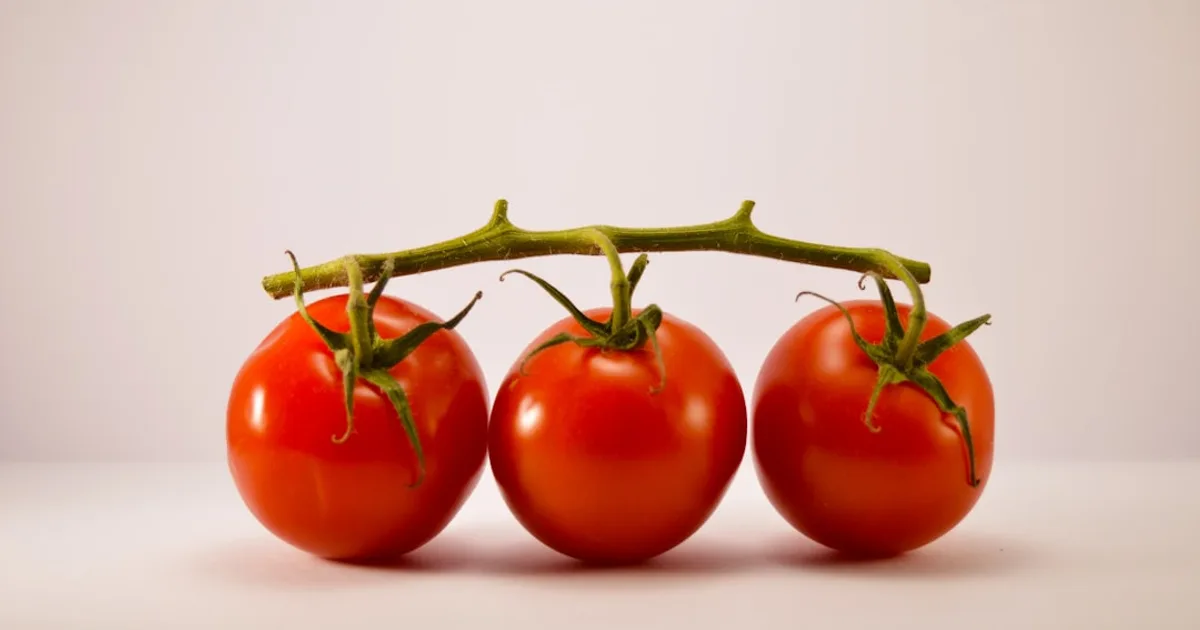
Cherry tomatoes (Solanum lycopersicum var. cerasiforme) are the most reliable producers in the tomato category and, pound for pound, the most profitable crop most home gardeners can grow. USDA ERS retail price data puts cherry and grape-type tomatoes at $3.00 to $4.50 per pound at grocery stores - roughly double what slicing types fetch. At farmers markets, pints run $4 to $8 depending on variety and region, and an attractive mix of colors and shapes will hit the top of that range consistently. A healthy indeterminate plant running a full season can produce 5 to 10 lb. Do the math before you plant slicers in a small bed.
The catch is that cherry tomatoes are still tomatoes. They need the same soil prep, staking infrastructure, and disease management as their larger relatives. What they offer in return is faster maturity - most varieties clock in 10 to 15 days earlier than standard slicers - more forgiving growing conditions, and a harvest window that starts earlier and runs longer. That longer season is where the ROI story lives.
Indeterminate vs. Determinate: The Distinction That Determines Everything
This is the first thing to understand about cherry tomatoes and most gardeners either don’t know it or don’t fully grasp what it means in practice.
Indeterminate cherry tomatoes - Sun Gold, Sweet Million, Black Cherry, Yellow Pear - keep growing. The vine continues elongating and setting new flower clusters from the top throughout the entire season. There is no defined end point. The plant will grow 6 to 8 feet tall if you let it, and it will produce continuously from first fruit until the first killing frost takes it down. This is the type responsible for the “my tomato plant swallowed my fence” stories. It’s also the type responsible for the 5-month harvest windows that make cherry tomatoes the most productive crop per square foot you can put in the ground.
Determinate cherry tomatoes - Juliet and Tumbling Tom are the common examples - reach a genetically defined size and then channel energy into ripening a set crop of fruit more or less all at once. The vine stops elongating once it reaches its programmed height. The harvest comes in a concentrated flush over 2 to 3 weeks rather than a long trickle. This is useful if you want to do any processing - making sauce, dehydrating, or freezing a batch. It’s also more practical in a small container where a 6-foot vine isn’t welcome.
Neither type is better. They’re suited to different purposes. If you want daily fresh eating from July through October, plant indeterminate types. If you want a manageable plant that doesn’t require weekly re-staking and you’d like all the fruit at once, plant determinate. Most gardeners growing for eating plant indeterminate types and most gardeners growing for processing or containers plant determinate types.
The ROI Case
A $2.99 to $3.99 seed packet contains 25 to 50 seeds. Per plant, your seed investment is roughly $0.10 to $0.15. That cost is so small it’s almost not worth calculating, but the ratio is striking: at 5 lb per plant and $3.50/lb grocery value, you return $17.50 from a $0.15 seed investment. At 10 lb per plant - which is achievable with an indeterminate type in a good season - you’re at $35.00. That’s from one plant.
| Scenario | Yield | Grocery Value ($3.50/lb) | Market Value ($6/pint) |
|---|---|---|---|
| Conservative (single indeterminate plant) | 5 lb | $17.50 | ~$30.00 |
| Average (single indeterminate plant) | 8 lb | $28.00 | ~$48.00 |
| Strong season (single indeterminate plant) | 10 lb | $35.00 | ~$60.00 |
| Two plants, average season | 16 lb | $56.00 | ~$96.00 |
Notes: Pint weight for cherry tomatoes runs approximately 0.75 lb. Market values use $6/pint as a midpoint of the $4-8 range. Grocery values use $3.50/lb as a midpoint of the $3.00-4.50 USDA ERS range.
At farmers markets, the math shifts further in your favor if you grow visually interesting varieties. A pint of mixed Sun Gold (orange) and Black Cherry (dark purple) at $6 to $8 moves faster than a pint of red-only fruit. Variety selection becomes a pricing decision, not just a flavor one.
Two plants are enough for a household doing fresh eating. Three or more and you’ll be making sauce and freezing halves by August.
Variety Reference
These are the varieties worth knowing, organized by type:
| Variety | Type | Days to Maturity | Color/Shape | Flavor Notes |
|---|---|---|---|---|
| Sun Gold | Indeterminate | 65 | Orange, round | Sweet-fruity, exceptional flavor, consistently high Brix; notorious for splitting but worth it |
| Sweet Million | Indeterminate | 65 | Red, round | Reliable, classic cherry flavor; sets in dense trusses; more heat-tolerant than Sun Gold |
| Black Cherry | Indeterminate | 65 | Dark purple-black, round | Complex, less sweet, earthy; stands out at market; anthocyanin pigmentation |
| Yellow Pear | Indeterminate | 75 | Yellow, pear-shaped | Mild, low acid; visual appeal and novelty value; productive once it gets going |
| Juliet | Determinate/semi-det. | 60 | Red, elongated | Crack-resistant, excellent shelf life on and off the vine; meaty flesh; more like a small Roma |
| Tumbling Tom | Determinate | 70 | Red, round | Bred for containers and hanging baskets; compact; reliable in 3-5 gallon pots |
Sun Gold is the variety most extension horticulturists reach for when flavor is the priority. It consistently tests at 9 to 10 Brix - that’s dissolved sugar content, which correlates directly with perceived sweetness. The flavor is legitimately different from anything you’ll buy at a grocery store. The splitting problem is real and discussed below.
Juliet earns its place not on flavor but on practicality. It holds on the vine longer without deteriorating, it handles inconsistent watering better than thin-skinned types, and the shelf life off the vine is better. If you can’t check your plants every day, Juliet forgives neglect better than Sun Gold does.
Why Your Cherry Tomatoes Split - and What to Do About It
Skin splitting is the most common complaint with cherry tomatoes, and it’s almost always a water problem. Here’s the mechanism: the plant undergoes a dry period, the fruit stops expanding, and the skin partially hardens to match the current fruit size. Then a heavy rain or a deep irrigation arrives. The fruit takes up water rapidly, expands faster than the skin can accommodate, and splits along the shoulder or around the stem end.
Consistent watering is the solution. Not necessarily more water - consistent water. Erratic cycles of drought-then-flood cause splitting; steady moisture prevents it. This means:
You want 1 to 2 inches of water per week, delivered steadily rather than in large infrequent doses. Drip irrigation or soaker hose at the base of the plant handles this better than overhead watering, which also contributes to foliar disease.
Mulch 2 to 3 inches deep around the base of the plant. This buffers soil moisture between waterings, slows evaporation during hot weather, and reduces the boom-bust water availability that triggers splitting. Straw, shredded leaves, or wood chips all work. Apply it after the soil has warmed in spring - cold wet mulch over cold soil slows establishment.
Harvest at the first sign of ripeness rather than waiting for peak color. A cherry tomato that’s 90% ripe and pulled from the vine will finish ripening on the counter. One that’s left on the plant through a rain event may not survive intact. Sun Gold in particular - the best-flavored variety most people grow - is notoriously prone to splitting precisely because the skin is thin. The answer is not to stop growing it. The answer is to harvest it slightly early and check the plants after any significant rainfall.
Crack-resistant varieties reduce the problem. Sun Sugar is an orange F1 similar to Sun Gold with better crack resistance. Juliet’s thicker, more elongated flesh resists splitting better than round cherry types. If splitting has been a recurring problem regardless of your watering practices, switching varieties is a legitimate fix.
The Flavor Difference You’re Actually Growing For
Grocery store cherry tomatoes are picked before they’re ripe, because they need to survive distribution. Vine-ripened cherry tomatoes at peak sugar content have a Brix reading of 8 to 12 - this is the dissolved solids measurement that captures sugars, acids, and flavor precursors. Grocery cherry tomatoes picked early for shipping average 4 to 6 Brix (Kader, Postharvest Technology of Horticultural Crops, UC Davis ANR, 2002).
That gap is not subtle. A ripe Sun Gold at 10 Brix tastes like a different food than a grocery cherry tomato at 4 Brix. It’s sweet in a way that reads as fruit rather than vegetable. The complexity in Black Cherry and similar dark varieties comes from a different profile - less sugar-sweet, more umami and earth - but it’s equally unavailable in a produce department.
This is the actual reason to grow cherry tomatoes at home. The ROI calculation matters, but the flavor differential is why people who grow them keep growing them year after year.
Growing Requirements
Soil temperature at transplant time needs to be above 60°F. Air temperature alone is a poor guide - a 72°F afternoon with 52°F soil is too cold and the transplant will sit, not grow, until conditions change. A $12 soil thermometer removes the guesswork.
Target soil pH of 6.2 to 6.8. Cherry tomatoes are heavy feeders. Amend with compost at planting - 2 to 4 inches worked into the top 12 inches of soil - and side-dress with balanced fertilizer (something near 10-10-10 or a tomato-specific formulation) every 3 to 4 weeks during vegetative growth. Back off nitrogen once fruit starts setting heavily. Excess nitrogen late in the season pushes vegetative growth at the expense of fruit (Cornell Cooperative Extension, Tomato Production Guides, 2023).
Full sun is non-negotiable. Six hours is a minimum; 8 or more is what produces the yields and Brix numbers above. A plant in dappled shade will survive but produce at a fraction of its potential.
Indeterminate cherry tomatoes need substantial support planned in advance, not improvised in August. A standard 5-foot tomato cage is usually not enough by midsummer. Plan for a 6-foot stake plus cage combination, or train the plant up a sturdy trellis or fence. A Sun Gold vine in a good season can exceed 8 feet and will topple a cage that isn’t anchored. Set the support structure at planting time, before the roots have spread enough to be damaged by a stake driven into the ground.
Container Culture
Cherry tomatoes are the most practical tomato for containers - more so than slicers or paste types. A few considerations:
For indeterminate types (Sun Gold, Black Cherry, Sweet Million), use a 10 to 15-gallon container. A 5-gallon pot will support the plant through early summer, but by August the root mass will be too constrained and you’ll water twice daily to keep up. The larger the container, the more buffering capacity the soil has against heat and drought stress.
For determinate types (Tumbling Tom, Patio), 3 to 5 gallons is workable. These plants stay compact by design and their root demand matches a smaller container.
Self-watering containers - the kind with a reservoir in the base - solve a large part of the splitting problem for container growers. The reservoir keeps soil moisture consistent without requiring daily watering precision. They cost more upfront but the payback in reduced splitting and reduced watering time is real.
Container soil dries out faster than in-ground soil, and cherry tomatoes in containers need feeding more frequently. Use a slow-release granular fertilizer at planting and supplement with a dilute liquid fertilizer every two weeks once fruit sets. Container-grown plants are also more vulnerable to calcium deficiency-driven blossom end rot because inconsistent watering disrupts calcium uptake - another reason consistent moisture matters more in pots than in the ground.
Indeterminate varieties in containers will still need support. A heavy-duty tomato cage or a stake tied to a wall or railing works. Don’t assume the plant will stay tidy just because it’s in a pot.
What Goes Wrong
Late blight (Phytophthora infestans) is the same oomycete pathogen responsible for the Irish potato famine. In cool, wet summers it can collapse a cherry tomato plant in a week. There’s no cure once it takes hold. Resistant varieties - ‘Mountain Magic’ and ‘Defiant PhR’ are the practical options for cherry-sized fruit - are the answer in high-risk regions. Good row spacing for airflow and drip irrigation that keeps foliage dry reduce the conditions that allow spore germination.
Hornworms (Manduca quinquemaculata, M. sexta) are 4-inch green caterpillars that blend into stems and can defoliate a plant quickly. They’re easiest to spot early in the morning or with a blacklight at night (they fluoresce). Hand-pick when found. Bacillus thuringiensis var. kurstaki (Bt-k) applied to foliage controls larvae; it needs to be ingested to work, so coverage matters.
Blossom end rot is a calcium deficiency symptom - a dark, sunken lesion on the bottom of the fruit - caused by inconsistent watering rather than a lack of calcium in the soil. The calcium is usually there; the plant can’t move it fast enough when water uptake is erratic. The fix is consistent moisture, not calcium sprays (Peet, Sustainable Practices for Vegetable Production in the South, Focus Publishing, 2001).
Tomato yellow leaf curl virus is transmitted by silverleaf whitefly (Bemisia tabaci). It causes upward leaf curling, stunting, and fruit set failure. There’s no treatment. Yellow sticky traps and reflective mulch - which disorients whiteflies by mimicking sky reflection - reduce populations. Certified resistant varieties are available if this is a regional problem.
Harvest and Storage
A cherry tomato is done when it releases from the vine with gentle upward pressure. No pulling. Color and slight softening at the blossom end are secondary cues, but the release test is more reliable. Harvest daily or every other day at peak season. Leaving ripe fruit on the plant reduces new set and invites disease and birds.
Do not refrigerate. Temperatures below 55°F break down volatile flavor compounds - the same compounds responsible for the Brix-related flavor difference you grew these for (Maul et al., Postharvest Biology and Technology, 2000). Room temperature on the counter, out of direct sun, works for 3 to 5 days.
For preservation: freeze halves on a baking sheet then transfer to bags. Frozen cherry tomatoes hold well for 6 months and go directly into cooked applications without thawing. Dehydrating concentrates flavor - a half sheet of cherry tomatoes becomes a small bag of intensely flavored dried tomatoes that store for months at room temperature.
Related reading: Companion Planting Basics - what the evidence actually says about the tomato-basil pairing and others; Heirloom vs. Hybrid - yield and flavor tradeoffs between heirloom and hybrid cherry tomato varieties; Tomato ROI: The Math by Variety - why cherry tomatoes lead on $/sq ft
Frequently Asked Questions
How much does a cherry tomato plant yield?
Cherry tomato plants are among the most productive tomatoes - a single indeterminate plant typically yields 12 lbs or more per season with regular harvesting.
How long do cherry tomatoes take to grow?
Cherry tomatoes mature in 60 to 70 days from transplant - faster than most large-fruited varieties. First fruits appear around day 60, with peak production following shortly after.
Is growing cherry tomatoes worth it financially?
Cherry tomatoes fetch $3.50/lb at grocery stores. A single plant yielding 12 lbs returns about $42 against a $3.50 transplant cost - over 12x return on investment.
How do you store cherry tomatoes?
Store cherry tomatoes at room temperature and use within a week. Refrigeration makes them mealy. Roast and freeze, or dehydrate excess production to concentrate flavor for off-season use.
Growing Cherry Tomato? Track your harvest value and break-even date in the Garden ROI app.
Get the App