
Amaranth
Amaranthus cruentus
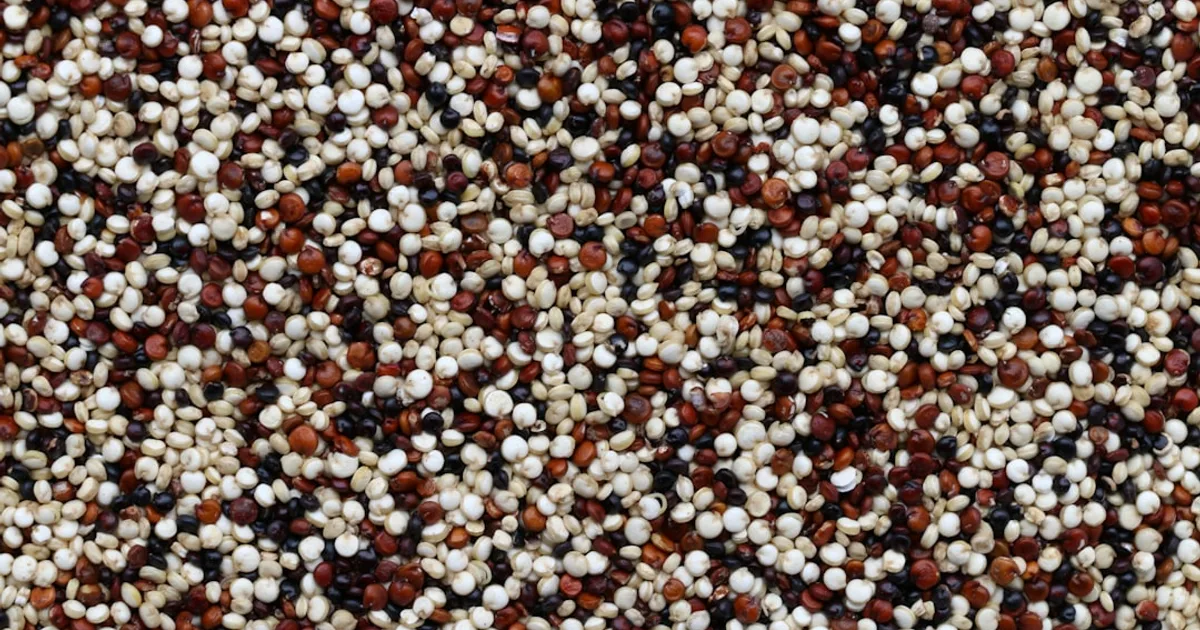
Amaranth is the crop most home gardeners ignore until July, when everything else falls apart. Spinach is gone. Lettuce bolted two weeks ago. Your chard is still alive but sulking. Meanwhile, amaranth is growing faster than you can use it, thriving at 95°F, and setting seed heads the size of your forearm. One $2.99 packet covers two distinct harvest types - young leaves that retail at $4-8/lb for specialty greens, and grain that sells for $5-8/lb at natural food stores. You probably won’t hit both in your first year. Once you understand the timing, you will.
What You’re Actually Growing
The genus Amaranthus contains over 60 species. Three matter for food production: A. cruentus (Central American origin, most common grain types in U.S. seed catalogs), A. hypochondriacus (Mexican highland origin, high-yielding grain), and A. tricolor (Southeast Asian origin, grown primarily for tender leaf harvest). The weed you pull out of your vegetable beds in August - common pigweed, A. retroflexus - is also an amaranth. It thrives in the same heat for exactly the same biological reasons the cultivated forms do.
The practical distinction that matters is between leaf types and grain types, which are not the same plant optimized differently - they are different selections. Leaf types stay shorter (18-30 inches), branch freely, and produce a flush of tender growth ideal for harvest. Grain types grow 4-8 feet tall, invest their energy into a single large seed head, and produce leaves that coarsen quickly as the plant matures.
Then there are ornamental types - Love Lies Bleeding (A. caudatus) being the most common - with drooping magenta seed tassels. These produce edible leaves and usable grain, but neither as efficiently as dedicated food varieties. Plant them if you want both aesthetics and edibility, knowing you’re trading peak performance in either direction.
Variety Comparison
| Variety | Type | Mature Height | Primary Use | Harvest Timing | Notes |
|---|---|---|---|---|---|
| Red Garnet | Leaf | 18-24 in | Young leaf harvest | 30-50 days | Deep red color; tender at small size; harvest continuously |
| Green Tails | Leaf | 20-28 in | Young leaf harvest | 35-50 days | Mild flavor; high yield of tender greens |
| Golden Giant | Grain | 5-7 ft | Seed grain | 90-110 days | Gold seed heads; large grain yield; prone to lodging |
| Hopi Red Dye | Grain | 4-6 ft | Seed grain / dye | 90-100 days | Historic Hopi cultivar; reddish seeds; good grain quality |
| Plainsman | Grain | 4-5 ft | Seed grain | 85-100 days | More compact; developed for Great Plains; drought-tolerant |
| Love Lies Bleeding | Ornamental/Dual | 3-5 ft | Greens + grain | 60-90 days | Ornamental; edible but lower yield than dedicated types |
Sources: USDA NRCS Plant Database; Johnny’s Selected Seeds cultivar data; University of Kentucky Cooperative Extension, Grain Amaranth Production (2019).
Harvest leaf types at 18-24 inches of plant height, cutting outer leaves and leaving the central growth point intact. If you let them bolt past 24 inches without harvesting, the leaves toughen and the window closes. Grain types you leave alone. Let them reach full height and set the seed head before you think about harvesting anything.
The ROI Case: Leaf and Grain Together
A $2.99 seed packet will give you more plants than you need. The math on returns works out better than most seed-to-harvest crops because you have two revenue streams if you want them, and at minimum one solid return on the leaf side even if you ignore grain entirely.
Leaf harvest ROI
A dedicated leaf row - Red Garnet or Green Tails, spaced 6 inches apart - produces 0.5-1 lb of usable leaf greens per plant over a season of repeated harvests. At a conservative $6/lb (the midpoint of the $4-8/lb specialty greens range), one pound of leaf amaranth = $6. That exceeds your seed cost on a single light harvest day. Run the row for 8-10 weeks of the summer heat window and the leaf return is the primary economic argument for growing this plant.
One plant is not a realistic harvest unit. Think in terms of a 10-plant stand: 10 plants at 0.1 lb per harvest cycle, two cycles per week during peak growth = roughly 1 lb of greens per week. At $6/lb, that’s $6/week from a 5-foot row. Over 8 productive summer weeks, that’s $48 in leaf value from a $2.99 packet.
Grain harvest ROI
A single grain amaranth plant at full maturity produces 40,000-60,000 seeds, roughly 0.25-0.5 oz of cleaned grain (University of Kentucky Cooperative Extension, Grain Amaranth Production, 2019). That number sounds impressive but the per-plant yield is actually modest. Here is the honest arithmetic:
A 10-plant stand of grain amaranth at full maturity, well-grown, produces roughly 0.5-0.75 lb of cleaned grain. At $6/lb (midpoint of the $5-8/lb specialty grain range at natural food stores), that’s $3.00-4.50 in grain value from 10 plants.
| Scenario | Plants | Cleaned Grain (est.) | Price/lb | Gross Value |
|---|---|---|---|---|
| Small stand | 6 plants | ~0.25 lb | $6.00 | $1.50 |
| Standard row | 10 plants | ~0.6 lb | $6.00 | $3.60 |
| Full season grain bed | 20 plants | ~1.2 lb | $6.00 | $7.20 |
| Optimistic large stand | 30 plants | ~1.8 lb | $6.00 | $10.80 |
The grain return is real but modest from a small planting. The reason to grow grain amaranth at home is not to replace buying grain at scale - it’s the $5-8/lb you save on a product you’d actually use anyway, from a plant that produces through August heat with minimal water once established. For a 10-plant stand: subtract the $2.99 seed cost (already covered by leaf harvest), and the grain is essentially free food.
Combined dual-crop calculation
If you dedicate one section of a row to leaf harvest (6 plants, Red Garnet) and another to grain production (6 plants, Golden Giant or Plainsman), from one packet:
- Leaf harvest, 6 plants over 8 weeks: ~0.8 lb/week at $6/lb = $4.80/week x 8 weeks = $38.40
- Grain harvest, 6 plants: ~0.15 lb cleaned grain at $6/lb = $0.90
Combined gross return: ~$39.30. Seed cost: $2.99. ROI: roughly 13:1 in produce value. That figure assumes you harvest consistently, which you will once the plants are going in July heat.
The Summer Greens Gap
This is the most underappreciated thing about amaranth.
Spinach (Spinacia oleracea) bolts when day temperatures consistently exceed 75°F. Lettuce (Lactuca sativa) begins bolting - turning bitter and setting flower stalks - above 80°F. Chard (Beta vulgaris) holds longer but starts tasting metallic in sustained heat. By mid-July in most of zones 5-8, your options for homegrown leafy greens are essentially zero.
Amaranth is one of the few vegetables that actively improves in summer heat. It uses C4 photosynthesis (the same metabolic pathway as corn and sorghum), which means it captures carbon dioxide more efficiently at high temperatures than C3 plants like spinach and lettuce. At 90-100°F, amaranth grows faster, not slower. This is not a minor distinction - it means you have productive green leaf production during the 8-10 weeks when nothing else is working.
The practical implication: direct sow leaf amaranth in the same week you pull your bolted lettuce. You’ll have usable leaf harvest in 30-35 days, which lands you directly in the peak summer heat window. The timing is not a coincidence. Plan for it.
Nutritionally, amaranth leaves are a credible spinach substitute. Per the USDA FoodData Central database, raw amaranth leaves contain roughly 2.5g protein per 100g serving, iron at 2.3mg/100g, and calcium at 215mg/100g - comparable to spinach on all three metrics. The leaves taste milder than mature spinach, closer to a neutral green, which makes them more flexible for cooking.
The Nutritional Case for Home Grain
Amaranth grain is a complete protein. That means it contains all nine essential amino acids, including lysine - the amino acid that is low or absent in most cereal grains (wheat, corn, rice, oats). This is the same nutritional argument made for quinoa, which retails at $6-12/lb depending on source.
Specialty amaranth grain at natural food stores runs $5-8/lb. Home-grown, cleaned, and stored grain from a summer planting costs you a fraction of that, with the seed cost already amortized against leaf harvest. If you eat grain amaranth or would start eating it at a lower price point, the economics of growing your own at even a 10-20 plant scale are straightforward.
Grain amaranth cooks like quinoa: rinse, simmer in a 2:1 water ratio, 20 minutes. The texture is finer than quinoa with a slightly earthy flavor. It works as a hot cereal, as a grain base for grain bowls, or popped in a dry pan (30 seconds at high heat) for a crunchy topping. The popped form is worth trying - it’s one of the better uses for the small grain yield from a home planting.
Growing Requirements
Direct sow after last frost when soil temperature reaches 60°F. Amaranth does not transplant reliably past the early seedling stage - the taproot resents disturbance. Seeds are tiny (roughly 1.5mm diameter); mix with dry sand at a 1:4 seed-to-sand ratio to broadcast more evenly, or make small pinch-sows every 6 inches and thin to the strongest seedling.
Sow depth: 0.25 inches maximum. Deeper than that and germination rates drop.
Thin aggressively. Crowded amaranth plants produce spindly stems that lodge before grain harvest. For leaf types: thin to 6 inches. For grain types: thin to 12-18 inches to allow the full seed head to develop. Amaranth does not self-thin well - crowded plants just grow poorly together rather than one suppressing the others.
Soil: pH 6.0-7.5. Amaranth grows adequately in low-fertility soil and tolerates soil that would stop most vegetables. Modest phosphorus at planting (0-46-0 superphosphate or bone meal) improves seed set in grain types. Avoid heavy nitrogen fertilization for grain varieties - it drives rapid, soft vegetative growth that increases lodging risk in tall plants. For leaf varieties, moderate nitrogen supports the continuous tender leaf production you want.
Water: Consistent moisture for the first 2-3 weeks after germination while the seedlings establish. Once plants reach 12 inches, back off. Amaranth in established growth is drought-tolerant - you can skip irrigation through dry spells that would kill other vegetables. Drought stress during the leaf harvest window does reduce leaf quality and yield; for grain fill, the plant tolerates dry conditions better.
What Goes Wrong
Aphids. The most common problem, especially on new growth and developing seed stalks. Aphids cluster in dense colonies and can build fast on soft tissue. Natural predators - parasitic wasps, lacewings, ladybird beetles - usually arrive before the damage becomes critical if you’re not using broad-spectrum insecticides nearby. For severe infestations, insecticidal soap (potassium salts of fatty acids) applied directly to the colonies works well. Rinse the plants 30 minutes after treatment in hot weather.
Birds stripping seed heads. This is a real problem and an underreported one. Finches, sparrows, and doves find mature amaranth seed heads quickly. You can lose most of a seed crop in 2-3 days once a flock discovers it. The counter-measure is timing: cut seed heads when they are just reaching maturity - ripe enough that seeds release when you rub the head between your palms, but before the head fully dries and opens. Hang indoors to finish drying. Do not wait for the head to turn fully brown on the plant if you have bird pressure.
Tarnished plant bug (Lygus lineolaris) pierces developing seed head tissue and injects a compound that kills seed cells, leaving blank sections in the mature head. Row cover at seed head formation reduces exposure in high-pressure areas. No reliable organic spray treatment exists once the head is open.
Damping-off (Pythium spp. and Rhizoctonia solani) kills seedlings before they reach 2 inches. The seedlings are vulnerable in wet, cool soil conditions. Sow in well-drained beds, don’t overwater at germination, and keep sow depth at or under 0.25 inches. If you’re losing seedlings consistently at soil level, switch to surface sowing with a light press to make seed contact.
Lodging. Tall grain varieties in sandy or loose soil can blow over before harvest, snapping stems or bending them enough that the seed head sits on the ground and rots. Stake individual plants if you’re in a wind-exposed site, or plant in a protected location. Avoid heavy nitrogen fertilization, which accelerates lush growth on a tall plant that already has stability challenges.
One management issue: amaranth that self-seeds can become persistent in managed beds. It’s not invasive in a legal or ecological sense, but you will be pulling volunteer seedlings for a season or two if you let seed heads shatter. Either harvest heads before they dry fully on the plant, or deadhead any you don’t intend to process.
Harvest and Storage
Leaf harvest: Begin taking outer leaves when the plant reaches 8-10 inches of height. Leave the central growing point intact. You can harvest one-third of the plant’s leaf mass at a time without slowing growth. Harvest every 7-10 days during active growth. Stop leaf harvesting on grain-type plants 4 weeks before you expect seed head maturity - the plant needs its leaf area to fill grain.
Grain harvest: The seed head is ready when you can rub it between your palms and seeds fall freely. At this stage, most of the head will have shifted from its peak color (gold, burgundy, red depending on variety) to a drier, more muted tone. The seeds themselves should feel hard, not soft or chalky.
Cut entire seed heads and hang upside down over a tarp or barrel in a dry, well-ventilated location. Allow 1-2 weeks of drying. Then thresh by rubbing handfuls of dried head over hardware cloth (0.5-inch mesh) into a container. Winnow the result by slowly pouring it in front of a fan outdoors on a calm day - seeds fall, chaff blows away. Repeat once or twice until the grain is reasonably clean.
Rinse cleaned grain in a fine-mesh strainer under cold running water for 30-60 seconds before cooking to remove saponins - naturally occurring bitter compounds on the seed coat. This step is not optional. Unlike quinoa, commercial amaranth grain is often pre-rinsed; home-harvested grain is not.
Store dried, cleaned grain in an airtight container - glass jars work well - at room temperature for up to 2 years. Keep it away from moisture.
The dual-crop math from one $2.99 packet pays back the seed cost in the first week of leaf harvest. The grain is what you accumulate over the summer while the plant does its thing in the heat.
Related reading: Beginner Homestead Crops - crops that perform reliably in difficult conditions
Growing Amaranth? Track your harvest value and break-even date in the Garden ROI app.
Get the App