
Butternut Squash
Cucurbita moschata
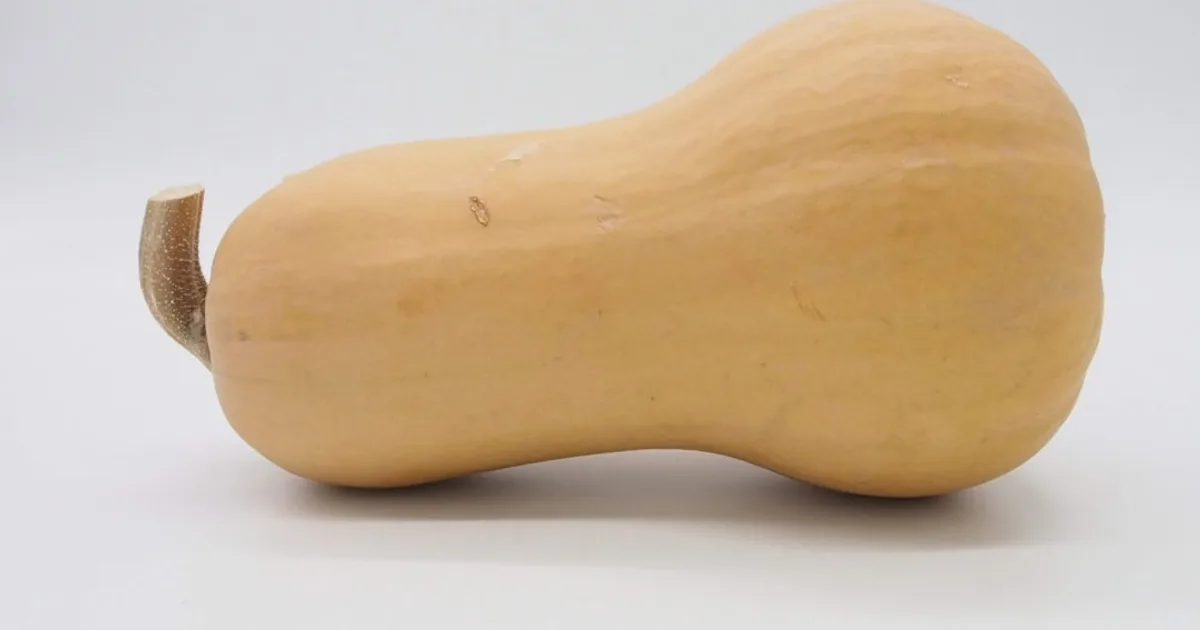
Butternut squash (Cucurbita moschata) is the storage-crop argument for growing winter squash instead of zucchini. Both use similar space and similar inputs. Zucchini delivers an abundance of fruit in summer that you have to process or use within days. Butternut delivers fewer fruits in fall and stores them in your pantry through January or February without any refrigeration or preservation effort. If your kitchen actually uses winter squash through the cold months, growing your own makes clear economic sense.
What you’re growing
Cucurbita moschata is a distinct species from the C. pepo pumpkins and summer squashes, and notably more resistant to squash vine borer than C. pepo - the thick stem base is harder for larvae to penetrate. This is one practical reason to grow butternut over acorn squash or most pumpkins if vine borer is a problem in your area.
| Variety | Days | Fruit size | Yield/vine | Storage life | Notes |
|---|---|---|---|---|---|
| Waltham Butternut | 85-90 | 2-5 lb | 4-5 fruits | 3-6 months | Commercial standard; widely available |
| Honeynut | 75-80 | 1-2 lb | 5-8 fruits | 2-3 months | Sweeter, more intense; retails $3-5/each |
| Butterscotch (bush) | 75-85 | 1-2 lb | 4-6 fruits | 2-3 months | Compact; good for small gardens |
| Long Island Cheese | 95-100 | 6-10 lb | 2-3 fruits | 4-6 months | Deeply ribbed; excellent flavor |
| Seminole | 90-100 | 3-5 lb | 4-6 fruits | 6+ months | Florida heirloom; heat-tolerant |
Waltham Butternut is the standard - the commercial baseline and the reference point for catalog comparisons.
Honeynut (Cornell University, 2017) is a mini-butternut bred for flavor concentration rather than yield. It retails for $3–$5 per fruit at specialty grocery stores. Three Honeynut fruits per vine at $4 each equals $12 per vine from a smaller plant with shorter days to maturity - the best per-square-foot ROI of any winter squash type at specialty prices.
The ROI case
One vine in a standard home garden setting produces 3–5 butternut squash. At 2–3 lbs each and $1.75/lb retail (USDA ERS, Vegetables and Pulses Yearbook, 2023), a single vine returns $10.50–$26.25 in grocery value. The $2.99 seed packet contains 20–30 seeds; seed cost per vine is $0.10–$0.15.
That math holds at standard commodity prices. The Honeynut premium changes it: three $4 Honeynut fruits per vine is $12, but you’re doing it in a shorter season with a smaller plant. Specialty varieties at premium prices are worth the catalog search.
The storage characteristic is the real differentiator. Properly stored butternut returns its value across 3–4 months rather than in one week. That changes how you think about growing it - one successful vine in September keeps a household supplied with squash through Thanksgiving at minimum.
The full storage math, assuming a September harvest and typical 4-month pantry life:
| Month | Store price | Squash from garden? | Monthly household value |
|---|---|---|---|
| September | $1.50/lb (harvest season, cheap) | Yes | ~$4 (1 squash) |
| October | $1.60/lb | Yes | ~$5 |
| November | $1.75/lb (peak season) | Yes | ~$5.50 |
| December | $2.00/lb (off-season) | Yes | ~$6 |
| January | $2.20/lb | Maybe (if well stored) | ~$6.50 |
| February | $2.50/lb | Maybe | ~$7.50 |
Two vines producing 8 squash total, stored through December: roughly $40-50 in pantry value at off-season retail prices. The 5-month window from harvest to February is where butternut’s economics justify the garden space it requires. Summer squash delivers more raw pounds, but butternut delivers value when grocery prices are highest.
On a per-input basis, butternut squash is among the highest-value storage crops available to home gardeners. A $2.99 seed packet, $10-15 in soil amendments, and one growing season yield 10-20 lbs of food that stores itself at room temperature with no electricity, no processing equipment, and no ongoing labor. That is not true of frozen vegetables, canned goods, or fermented products. The pantry value of butternut is the stored value - a physical reserve that doesn’t require a trip to the grocery store at the precise moment winter squash demand peaks and prices rise. Grow 4 vines and you can give some away and still eat squash twice a week through December.
Space Management: Ground vs. Vertical
Standard butternut vines sprawl 8-12 feet. A 3-vine planting in traditional hill spacing requires 100-150 square feet - a large chunk of a home garden. Two options exist for tighter spaces.
Bush types: Butterscotch (listed above) and several other compact varieties produce on shorter vines, 3-4 feet. They yield fewer fruits per plant but produce them in far less space. In a raised bed garden, a bush butternut that fits a 4x4 bed is more useful than a standard vine that consumes a 10x10 area.
Vertical trellis growing: standard-size butternut can be trained up a sturdy trellis (cattle panel, heavy wire, or 2-inch mesh fencing secured to T-posts). The critical addition is fruit support: butternut fruits can reach 2-5 lbs on a vine growing vertically, and the vine connection to the fruit isn’t strong enough to hold that weight for 85-110 days. Each developing fruit needs a sling - an old t-shirt sleeve, mesh onion bag, or piece of nylon stocking tied from the trellis above the fruit, cradling the fruit’s weight. Check slings weekly as fruits grow and adjust if the sling is cutting into the skin.
Vertical growing has real advantages beyond space: better air circulation (reduces mildew pressure), easier fruit inspection, and no ground contact (fruits growing on the ground develop a pale yellow belly from contact with soil). The setup cost is a trellis and fabric slings; neither is expensive.
Growing requirements
Direct sow after last frost when soil temperature exceeds 60°F. Standard hill spacing: 4–5 feet between hills for vining types, hills 4–6 feet apart in rows (Penn State Extension, Pumpkin and Squash Production, 2019). Compact types can be planted as close as 2–3 feet. Thin to 2 plants per hill after true leaves develop.
Soil pH of 6.0–6.8. Squash are heavy feeders with high potassium demand for fruit development. Work in compost generously before planting. Side-dress with a balanced fertilizer when vines begin to extend, then switch to a low-nitrogen, higher-potassium formula (like 5-10-10) when flowers appear.
As fruits mature and approach full size, reduce watering gradually. Excess water late in the season dilutes sugars in the flesh and can cause fruits to rot at the blossom end. The vine will look stressed, but the fruits are fine - this is the normal end-of-season die-back.
Butternut requires cross-pollination between male and female flowers. Male flowers appear first (no fruit at the base), followed by females (small squash visible at the base). Bee access is necessary. Hand-pollinate with a small brush in the morning if pollinators are absent - transfer pollen from a male flower to the center of a female flower.
What goes wrong
Squash vine borer (Melittia cucurbitae) is much less of a problem with C. moschata than with C. pepo. The thicker stems of butternut and other moschata types physically resist larval penetration better. This alone is a reason to grow butternut over acorn squash in high-borer regions. That said, mature vine borers on C. moschata have been documented. Row cover through early vine development and removal at first flowering for pollinator access is reasonable prophylaxis.
Powdery mildew (Podosphaera xanthii) is universal in cucurbits. It typically arrives late in the season after fruits are well-developed. Adequate spacing, avoiding overhead irrigation, and removing the most severely affected leaves extends vine life. Potassium bicarbonate applications slow spread. You won’t eliminate it; you manage it.
Squash bugs (Anasa tristis) cause wilting and plant death in heavy infestations. Egg masses (bronze, clustered on leaf undersides) are the most effective control target - crush them before they hatch. Hand-pick nymphs and adults; they’re easier to catch in early morning when cool. Kaolin clay applications deter adults.
Angular leaf spot (Pseudomonas syringae pv. lachrymans) produces water-soaked, angular lesions that dry to brown and eventually fall out of the leaf. It’s a bacterial disease spread by water splash. Management: avoid overhead irrigation, handle plants when dry, remove infected leaves.
Harvest and storage
Butternut is ready when the skin color changes from green to fully tan-beige with no green striping remaining, and the rind resists a thumbnail firmly. The vine connection at the stem should be hardening and beginning to look corky. Days from planting give you a rough guide, but color and rind firmness are more reliable indicators than calendar dates.
Cut with a sharp knife leaving 1-2 inches of stem. Curing is the step most home gardeners either skip or rush, and it’s the reason pantry storage fails.
The curing protocol: hold harvested squash at 80-85°F with 80% relative humidity for 10-14 days. The back seat of a car on a sunny fall day works. An unheated room with a space heater and a pan of water achieves the conditions. What curing does biologically: the heat and humidity trigger two processes simultaneously. First, any surface wounds (from harvest, insect damage, or rough handling) seal over with a corky layer, preventing mold entry. Second, the skin hardens through suberization - the outer cell walls thicken and become more impermeable. A properly cured butternut squash can survive minor surface handling without the skin breaking; an uncured squash bruises and begins to rot within weeks. Third - and this is the one worth knowing - internal starch begins converting to sugar during curing, which is why cured butternut tastes noticeably sweeter than squash eaten fresh off the vine in September.
Skip curing and your storage window drops from 6 months to 6 weeks. This is not marginal.
Store cured squash at 50-55°F in low to moderate humidity (University of Illinois Extension, Storing Vegetables, C1373, 2021). Do not refrigerate. Do not store near apples or pears (ethylene from those fruits accelerates squash deterioration). Properly cured Waltham Butternut stores 3–6 months; some years longer in good conditions. Check monthly and use any showing soft spots first.
Related crops: Corn, Pumpkin, Zucchini
Related reading: Squash Vine Borer - timing, identification, and why C. moschata has an advantage; Freezing vs. Canning - when to freeze butternut vs. whole-fruit pantry storage
Growing Butternut Squash? Track your harvest value and break-even date in the Garden ROI app.
Get the App