Pumpkin
Cucurbita pepo
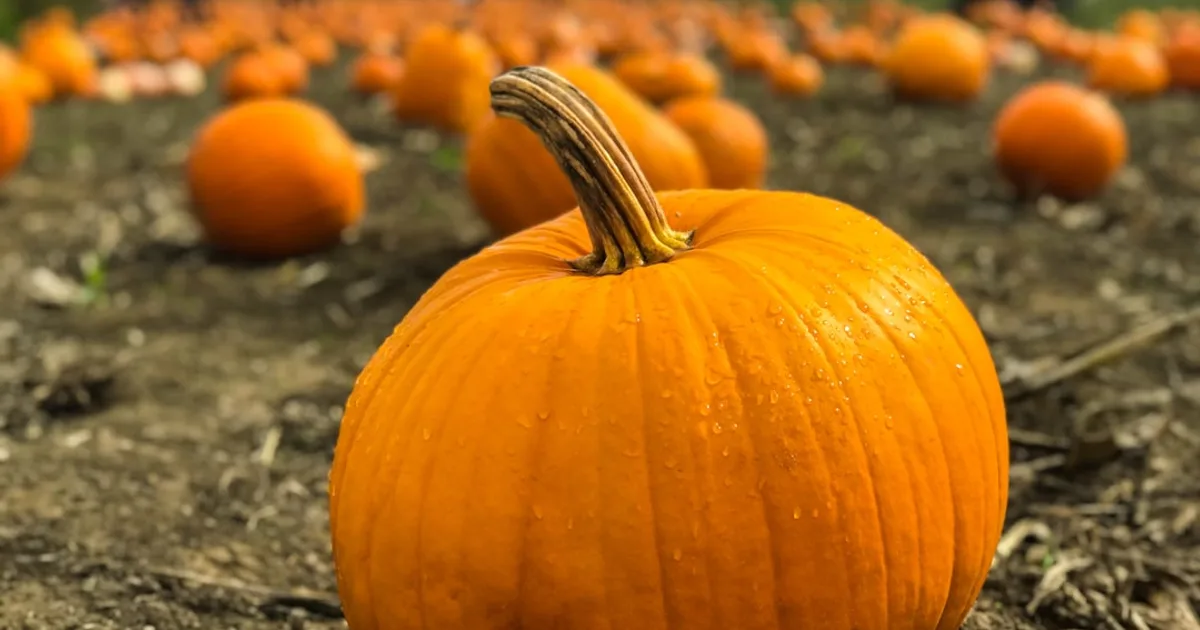
Carving pumpkins retail for $0.25-$0.75 per pound at peak season (USDA AMS, Fresh Fruit and Vegetable Prices, 2023). You can buy a 20-pound jack-o’-lantern pumpkin for $8-$12 at a farm stand in October. Growing one takes 15-20 square feet of ground for 90-120 days, plus consistent water, reliable pollination, and enough luck to avoid squash vine borer. The ROI on carving pumpkins grown for home use is poor. That’s worth saying plainly before anything else.
Pie pumpkins, specialty heirlooms, and mini types are a different calculation entirely. If you’re growing pumpkins for the table or for direct sale at a farm stand or farmers market, the numbers get much more interesting. The problem is that most gardeners plant Howden or Connecticut Field because that’s what the seed rack offers, and they end up with a lot of stringy orange flesh they don’t know what to do with and a price per pound that doesn’t justify the space.
Pick the right type first. Everything else follows from that.
What You’re Actually Growing
Cucurbita pepo is a sprawling species that includes acorn squash, delicata, zucchini, and both pie and carving pumpkins. Within pumpkins specifically, four categories matter for your ROI math:
Carving and jack-o’-lantern types (Connecticut Field, Howden, Big Max) are bred for size, shape, and hollow cavities. The flesh is stringy, watery, and low in dry matter. These exist for the decorative market. They’re commodity produce - $3-8 each at farm stands during peak season, $1-2 each at wholesale or through a packing house. If you’re growing to sell, you need volume and a direct-sale outlet to make carving pumpkins work. Home use value is minimal.
Pie pumpkins (Sugar Pie, New England Pie, Baby Bear, Long Island Cheese) run 4-8 pounds, with dense, high-solids flesh that purees well. These retail for $4-6 each at farm stands and $2-4/lb at specialty markets (USDA AMS Specialty Crop Market News, 2023). The flavor is better than canned pumpkin - higher sugar content, less water to cook off. From a single vine producing 4-6 fruits, you’re looking at $16-36 in retail value per plant.
Specialty and heirloom types (Rouge Vif d’Etampes/Cinderella, Jarrahdale, Fairy Tale, Blue Hubbard relatives, Musquee de Provence) command $5-15 each at farmers markets, sometimes more for large specimens. Visual distinction drives that price - buyers pay a premium for something that looks nothing like what’s in the grocery store. These are dual-purpose: excellent eating and high decorative value. One Cinderella pumpkin is worth more than three Howdens at direct sale.
Mini types (Baby Boo, Jack Be Little, Munchkin) run 0.5-2 lbs each and retail at $2-4 per pumpkin at farm stands. Per-unit value is high. Vines are more compact - 4-6 square feet rather than 15-20 - which changes the space math. At $2-4 each with 8-12 fruits per vine, a single Jack Be Little plant can return $16-48 in direct sale value from 6 square feet of ground.
ROI by Type
| Type | Example Varieties | Fruit Size | Retail Price | Yield/Vine | Estimated Return/Vine |
|---|---|---|---|---|---|
| Carving | Connecticut Field, Howden | 15-25 lbs | $3-8/fruit (direct) $1-2 (wholesale) | 3-5 fruits | $9-40 direct sale |
| Pie | Sugar Pie, New England Pie | 4-8 lbs | $4-6/fruit | 4-6 fruits | $16-36 |
| Specialty/Heirloom | Cinderella, Jarrahdale, Fairy Tale | 6-20 lbs | $5-15/fruit | 2-4 fruits | $10-60 |
| Mini | Baby Boo, Jack Be Little | 0.5-2 lbs | $2-4/fruit | 8-12 fruits | $16-48 |
| Giant | Atlantic Giant, Prizewinner | 200-500+ lbs | $0.10-0.25/lb | 1 fruit | Competition/novelty only |
Prices reflect direct farm stand or farmers market sales in September-October, which command 2-3x the price of wholesale (USDA AMS, 2023). Growing for direct sale is the ROI path. If you’re selling to a distributor or packing house, the carving pumpkin math collapses entirely.
A $2.99 seed packet contains 10-25 seeds. Seed cost per vine is $0.12-$0.30 depending on packet size. Input costs beyond seed - compost, water, fertilizer - run roughly $1-3 per vine over the season. The variable that determines whether any of this pencils out is whether you have a place to sell at retail price or are keeping the fruit for home use.
Space Math - Be Honest With Yourself
Full-size pumpkin vines spread 15-20 square feet per plant. Standard spacing is hills 6-8 feet apart (Penn State Extension, Pumpkin and Squash Production, 2019). A single 4x8 raised bed holds one pumpkin plant at most, and the vines will drape over the sides and run across your path for weeks. Pumpkins are not a raised-bed crop in any practical sense. You’re looking at in-ground growing with room to let vines run.
Giant types (Atlantic Giant, Prizewinner) need even more - a single plant on a dedicated 10x20 patch is not unusual for serious growers. You’ll get one fruit. It may weigh 200-500 pounds. The ROI is zero unless you’re entering competitions or selling novelty.
Mini types are the exception. Jack Be Little and Baby Boo vines run 4-6 feet and can fit in a 6x6 patch or even a large container. Their per-square-foot return at direct-sale prices actually competes with cucumber and summer squash.
If you have a standard suburban backyard with raised beds and limited ground space, mini pumpkins are your best option. Pie pumpkins or specialty types require a dedicated in-ground row or patch - at least 8x8 for two plants. If you have the ground, two pie pumpkin vines in a 4x16 strip will produce 8-12 fruits over the season worth $32-72 at farm stand prices.
Seed Production: The Hull-Less Variety Angle
Pumpkin seeds are edible and worth something - $5-10/lb for hulled pepita-style seeds at natural food retailers. Most varieties produce seeds encased in a fibrous white hull that requires considerable effort to shell.
Hull-less varieties change the equation. Styrian (a Cucurbita pepo landrace from Austria) and Lady Godiva produce seeds with a thin, nearly non-existent hull. You can eat them raw or roasted straight from the pumpkin with no shelling. The flesh on hull-less types is inferior - watery, less sweet - so you’re growing primarily for seed production, not culinary use.
A single large hull-less pumpkin yields 1-2 ounces of seeds. Rinse them, dry on a towel, then roast at 350°F for 10-12 minutes with oil and salt. If you save and sell seeds from hull-less varieties at a farmers market, small envelopes at $3-5 each are realistic. Styrian seeds are specialty enough that even modest quantities fetch above-commodity prices.
Standard pie and carving pumpkin seeds are worth saving and eating too - they just need shelling first. After scooping seeds from a large pumpkin, rinse them clean of fiber, dry for 24 hours, and roast. The flavor is good. It’s not a high-value side income, but it eliminates seed waste.
Growing Requirements
Direct sow after last frost when soil temperature is above 60°F, ideally 65-70°F (UC Cooperative Extension, Pumpkin and Winter Squash Production, ANR Publication 7222, 2020). Pumpkins don’t transplant well - the taproot resents disturbance. If your season is short and you need a head start, use biodegradable pots and transplant before roots circle the container. Any disturbance to the root system sets the plant back by a week or more.
Count backwards from your first fall frost to determine planting date. If first frost is October 1 and your variety takes 100 days, you need to be in the ground by June 22. Most gardeners plant too late and scramble at the end of the season.
Soil pH of 6.0-6.8. Pumpkins are heavy feeders. Work in 3-4 inches of compost before planting and apply a balanced fertilizer (10-10-10 or similar) when vines begin to run. Once flowers appear, switch to a lower-nitrogen, higher-phosphorus formula - excess nitrogen at that stage produces lush vines and poor fruit set.
Plant in hills of 2-3 seeds, spacing hills 6-8 feet apart for large varieties, 4-5 feet for bush types. Thin to the 2 strongest seedlings per hill after true leaves develop. Water at the base only - overhead irrigation invites powdery mildew. Drip tape or a soaker hose around the base is the right tool. Mulch heavily for moisture retention and weed suppression; pumpkin vines can’t shade out weeds in their first few weeks.
Pollination - and Hand-Pollination for Giant Types
Standard pumpkins need pollinators - primarily bees - to set fruit. Male flowers appear 1-2 weeks before female flowers (identifiable by the small fruit swell at the base of the flower). If pollinators are scarce, hand-pollinate: pick a male flower in early morning when it’s fully open, peel back the petals, and touch the pollen-covered stamen directly to the center of the female flower. Do this before 10 a.m. when the flowers are still fresh.
Poor fruit set is almost always a pollination problem, not a soil problem.
Giant pumpkin management requires a different approach. To produce one massive fruit, you select a single female flower per vine, hand-pollinate it at dawn, and remove every other female flower that develops on the plant. All of the plant’s energy concentrates into that one fruit. Atlantic Giant growers also train and position the developing pumpkin, place it on sand or straw to prevent ground rot, and sometimes shade it during heat peaks to slow skin cracking. This is active management over 100+ days for one fruit. It produces something remarkable and agriculturally useless unless you’re competing or entertaining.
What Goes Wrong
Powdery mildew (Podosphaera xanthii and Erysiphe cichoracearum) appears as white powdery patches on leaf surfaces, typically late in the season. Every cucurbit grower deals with it. It rarely kills the plant before harvest if your timing is right, but early onset reduces fruit size and accelerates vine decline. Resistant varieties help. Potassium bicarbonate sprays at first sign slow the spread. Adequate plant spacing for airflow delays onset.
Squash vine borer (Melittia cucurbitae) is the more serious problem. The adult moth lays eggs at the base of stems; larvae bore inside, causing sudden wilting from the inside out. By the time you see wilting, the larva is already in the stem. Floating row cover during the egg-laying window (early summer, when the adults are active) prevents infestation - remove cover when female flowers appear so pollinators can access. If you find the entry hole, you can split the stem, remove the larva, and bury that section of vine to encourage re-rooting. It works sometimes.
Squash bugs (Anasa tristis) cluster under leaves and feed on plant tissue. Bronze-colored egg masses on leaf undersides hatch into fast-moving gray nymphs. Crush egg masses before they hatch. Hand-pick adults and nymphs; drop them into soapy water. Insecticides have limited effectiveness on adults.
Cucumber mosaic virus produces mosaic patterning and leaf distortion. It transmits via aphids. There is no cure; remove infected plants. Controlling aphid populations early reduces transmission risk.
Harvest and Storage
Carving types are ready when the skin is fully orange and the rind resists a fingernail. The stem should be hard and corky - a green, pliable stem means the fruit isn’t mature. Pie pumpkins are ready at full color with the same rind firmness.
Leave 3-4 inches of stem attached when harvesting. A pumpkin without its stem rots faster at the scar. Don’t carry the fruit by the stem - it snaps more easily than it looks, and a detached stem moves the pumpkin to the front of the use-it-now line.
Cure freshly harvested pumpkins at 80-85°F with good air circulation for 10-14 days. Curing hardens the skin and heals surface wounds. Store cured pumpkins at 50-55°F in low humidity. Pie pumpkins store 3-5 months under these conditions; carving types 2-3 months (North Carolina Extension, Pumpkin and Winter Squash, AG-05, 2018).
Don’t store on concrete. Cold wicks from the floor into the fruit and accelerates deterioration. Wood pallets or shelving keeps air circulating underneath.
The Fall Premium Window
September and October are when pumpkins make their money at direct sale. USDA AMS data consistently shows farm stand and farmers market prices 2-3x higher than wholesale during the peak October window. A pie pumpkin that wholesales for $1.50-2.00 retails at $4-6 directly to a customer who drove to your stand or market stall. A Cinderella pumpkin that would wholesale for $3-4 retails at $8-15 because nothing else on the table looks like it.
If you’re growing for direct sale, timing your planting to ensure harvest in late September through mid-October is more important than maximizing yield per vine. A pile of pumpkins harvested in August sits and cures beautifully and sells for full price in October. Pumpkins that don’t make it to full color until November miss the window.
| Sale Channel | Carving Type | Pie Type | Specialty/Heirloom | Mini |
|---|---|---|---|---|
| Wholesale/distributor | $1-2/fruit | $1-2/fruit | $2-4/fruit | $0.50-1/fruit |
| Farm stand (Sept-Oct) | $3-8/fruit | $4-6/fruit | $5-15/fruit | $2-4/fruit |
| Farmers market | $5-10/fruit | $5-8/fruit | $8-18/fruit | $2-4/fruit |
The channel you sell through determines whether any of these numbers work. If your only option is wholesale, specialty heirlooms still pencil out. Carving pumpkins at wholesale are a break-even proposition at best.
Related crops: Corn, Green Bean
Related reading: Companion Planting Basics - how the Three Sisters system works with corn, beans, and squash
Frequently Asked Questions
How much space does a pumpkin plant need?
Standard carving varieties require 15 to 20 sq ft per plant and 90 to 120 days. Bush types (Bush Sugar, Hooligan) fit in 6 to 8 sq ft. Pie and specialty varieties offer better return per square foot than large carving types for most home gardeners.
How do I cure pumpkins after harvest?
Hold freshly harvested pumpkins at 80 to 85 degrees with good airflow for 10 to 14 days. Curing hardens the skin, seals stem wounds, and extends storage life to 3 to 6 months at 50 to 55 degrees.
Are carving pumpkins worth growing compared to pie types?
Carving pumpkins retail at $0.25 to $0.75/lb in fall. Pie and specialty varieties (Cinderella, Sugar Pie, Rouge Vif d'Etampes) retail at $1.50 to $4.00/lb and produce better ROI per square foot with more culinary utility.
Growing Pumpkin? Track your harvest value and break-even date in the Garden ROI app.
Get the App