
Eggplant
Solanum melongena
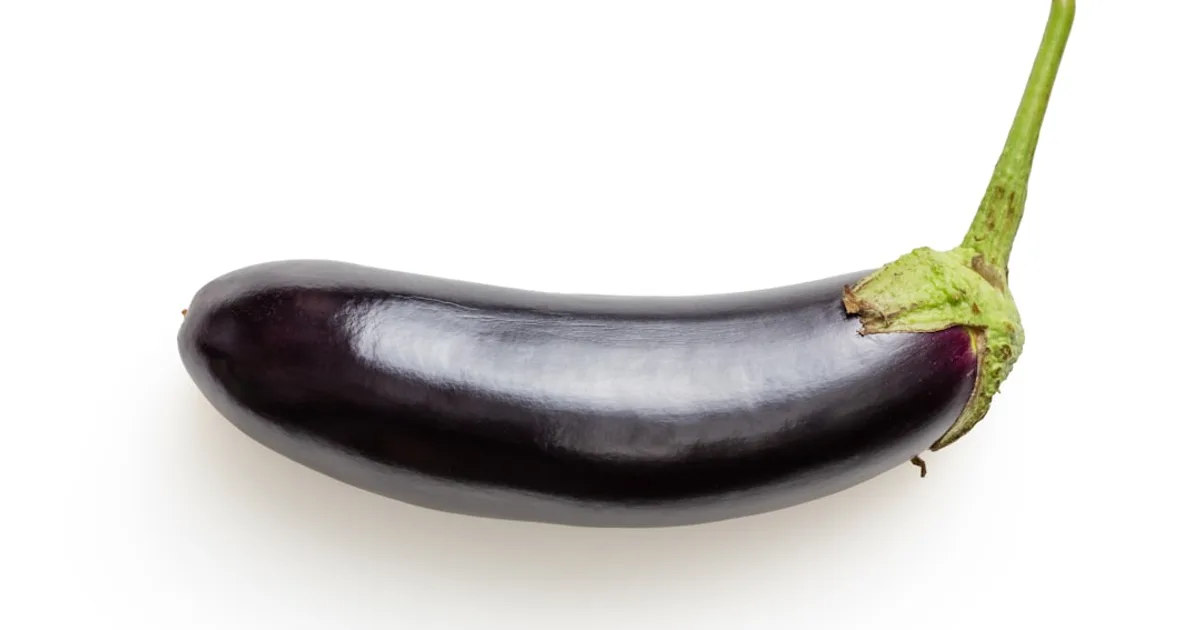
Most people who grow eggplant grow Black Beauty, get four to six fruits per plant, and conclude that eggplant isn’t worth the space. They’re half right - Black Beauty isn’t worth the space. Japanese and Chinese eggplant varieties are a different calculation entirely.
Asian vs. Italian globe: two different productivity profiles
Japanese eggplant (S. melongena, Ichiban, Orient Express, Millionaire) produces slim, 6-8 inch fruits with thin skin, no bitterness, and fewer developed seeds. The critical difference for home growers is temperature tolerance: Japanese types set fruit at lower temperatures than Italian globe varieties. In northern gardens where summer highs fluctuate, that means Japanese eggplant is working when globe types are sitting idle. A healthy plant yields 10-15 fruits per season. University of Kentucky Cooperative Extension variety trials have consistently shown Japanese types outperforming globe types under Midwest and upper-South conditions.
Chinese eggplant (S. melongena, Orient Charm, Ping Tung Long) is similar to Japanese in productivity and thin skin. Slightly different flavor - a little earthier, slightly sweeter raw - but the same temperature flexibility and the same fruit set advantage over globe types.
Italian globe eggplant (S. melongena, Black Beauty, Classic, Dusky) is what you find at every seed rack in every hardware store. Large, round, thick-skinned, with more developed seeds and a tendency toward bitterness if you let it go even a few days past peak. Globe types need consistently high temperatures to set fruit and produce 4-6 fruits per plant in a good year. They’re a warm-climate crop planted in a cool-climate market.
Indian and Thai types (S. melongena var.) are small, round, and a different culinary use case entirely - curries and pickles rather than roasting or grilling. The ROI comparison doesn’t apply in the same way; you grow them if you cook with them.
The practical advice: if you’re in zones 5-7, grow Japanese. If you’re in zone 8 and south, globe types perform better, though Japanese still edges them on fruit count.
| Type/Variety | Fruits per plant | lb per plant | Min fruit-set temp (soil) | Fruit size | Skin type | Best zone | Bitterness risk |
|---|---|---|---|---|---|---|---|
| Japanese (Ichiban, Orient Express) | 10-15 | 5-11 lb | 60°F | 6-8”, slim | Thin | Zone 5-9 | Very low |
| Chinese (Orient Charm, Ping Tung Long) | 10-14 | 5-10 lb | 60-65°F | 8-12”, slim | Thin | Zone 5-9 | Very low |
| Italian globe (Black Beauty, Classic) | 4-6 | 2-4.5 lb | 70°F consistent | 4-6” diameter, round | Thick | Zone 7-9 | Moderate if overripe |
| Indian/Thai types | 8-15 | 2-4 lb | 65°F | 1-3”, round or oblong | Thin | Zone 7-9 | Low (different cooking style) |
The minimum fruit-set temperature explains the zone disparity. Globe eggplant requires sustained soil temperatures above 70°F to set fruit reliably - in Zones 5-6, those conditions may only exist for 6-8 weeks of summer, limiting fruit set to a narrow window. Japanese and Chinese types set fruit at 60°F soil temperature, which arrives 2-3 weeks earlier in spring and persists 2-3 weeks later in fall. The season extension is not trivial: in Zone 6, that’s potentially 4-6 additional weeks of productive fruit set. University of Kentucky Cooperative Extension variety trials documented this difference across multiple seasons in Lexington, KY (UKREC Research Report, Specialty Eggplant Varieties, 2019-2021).
The ROI case
USDA AMS terminal market reports show eggplant trading at $2-3/lb at wholesale, with retail running higher at specialty and farmers market outlets (USDA Agricultural Marketing Service, Specialty Crops Market News, 2023-2024 averages). A seed packet of Ichiban runs around $3.50 and contains 25-30 seeds. At $3.50 for the packet and 10-15 fruits per plant averaging 0.5-0.75 lb each, a single Japanese eggplant plant produces 5-11 lbs per season. At $2.50/lb retail, that’s $12-28 in yield per plant.
A Black Beauty plant producing 4-6 fruits at the same weight works out to 2-4.5 lbs per season. Same price per pound, roughly half the output.
The ROI argument for eggplant is not “eggplant is a great value crop.” It’s “grow Asian varieties, not the type everyone defaults to.”
Growing requirements
Eggplant wants heat. Not warm - heat. It shares the nightshade family (Solanaceae) with tomatoes and peppers, but it’s more heat-demanding than either. The critical number is soil temperature: don’t transplant until the soil is consistently above 65°F. Transplanting into cold soil causes stunting that the plant doesn’t recover from, even if air temperatures warm up later. You’ll watch the plant sit there while your tomatoes take off.
In northern zones (5-6), black plastic mulch is worth using for eggplant and peppers specifically. It warms the soil 5-10°F compared to bare ground and bare organic mulch, which can actually slow warming by shading the soil surface. Lay the plastic before transplanting, cut holes for plants, and you’re transplanting into warmer soil from day one (Penn State Extension, Eggplant Production, 2021).
Black plastic mulch ROI for eggplant in Zone 5-6:
A 4x50 ft roll of black plastic mulch costs $15-25 at farm supply stores. For a 4x8 raised bed, you need roughly one-sixth of the roll, representing $2.50-4.00 in material per bed per season if used once, or amortized lower if the plastic is reused (typical useful life is 2-3 seasons). The soil-warming benefit in Zone 5-6:
- Transplant date moves 1-2 weeks earlier (soil hits 65°F sooner under plastic)
- Fall harvest extends 1-2 weeks later (soil stays warmer longer)
- Total additional productive season: potentially 3-4 weeks
For Japanese eggplant at 10-15 fruits per plant, even a partial additional week of fruit set matters. Conservative estimate: 2 plants × 2 additional fruits from extended season × 0.6 lb × $2.50/lb = $6 in additional value. Against a $3-4 material cost per bed, the plastic pays off in year one. In year two, if the plastic survives intact, it’s essentially free additional yield. The same plastic can be used for peppers simultaneously, which spreads the material cost further.
In Zone 7 and south, black plastic mulch for eggplant is less beneficial - soil warming isn’t the limiting factor. In those climates, organic mulch (straw, wood chips) applied after the soil warms serves the more important purpose of conserving moisture during summer heat.
Start seeds indoors 8-10 weeks before your last frost date. That’s earlier than tomatoes (6-8 weeks) and the same timeline as peppers. The long indoor lead is because eggplant is a slow germinator and slow establisher - you want a sturdy transplant with a well-developed root system, not a leggy seedling. Germination needs soil temperatures of 75-85°F; use a heat mat. Without one, germination is slow and uneven.
Soil pH of 5.8-6.5. Consistent moisture is more important for eggplant than for most vegetables - drought stress causes blossom drop and contributes to bitterness in globe types. Drip irrigation or soaker hose beats overhead watering.
What goes wrong
Colorado potato beetle (Leptinotarsa decemlineata) is the same pest that destroys potato crops - a bright yellow beetle with black stripes that is immediately recognizable once you know it. Adults and their orange egg masses on leaf undersides are easy to hand-pick at small scale. For heavier infestations, Spinosad (a naturally derived insecticide derived from the soil bacterium Saccharopolyspora spinosa) is effective and approved for organic production. Scout weekly once plants are in the ground.
Flea beetles (Phyllotreta species) hit young plants hardest. Small, jumping black beetles that riddle leaves with tiny holes - the same species that attack arugula and other brassicas. Young eggplant transplants are vulnerable for the first two to three weeks after transplanting. Row cover during that establishment window is the most reliable control. Once plants are 12-18 inches tall and growing vigorously, flea beetle damage becomes cosmetic rather than growth-limiting (Cornell Cooperative Extension, Flea Beetle Management in Vegetable Crops, 2019).
Verticillium wilt (Verticillium dahliae) is a soilborne fungal pathogen that causes one-sided wilting - often just one branch or one side of the plant first, which is the tell. It’s common in soils that have grown nightshades (tomatoes, potatoes, peppers, eggplant) repeatedly without rotation. There is no spray cure once a plant is infected. Remove infected plants, don’t compost them, and rotate out of nightshade crops for a minimum of four years in affected beds. Resistant rootstocks exist for commercial production but aren’t practical for most home gardens.
Harvest timing
This is where most eggplant goes wrong, and it’s simple once you know it: harvest when the skin is glossy. Dull skin means the fruit is past peak - seeds are browning inside, flesh is turning spongy, and the flavor has declined. You can’t reverse it once it’s dull.
Japanese and Chinese types reach harvest at 6-8 inches. Globe types at 4-6 inches in diameter. If you’re unsure whether it’s ready, err early. Slightly underripe eggplant is fine. Overripe eggplant is bitter and spongy, and nothing you do in the kitchen fixes it.
Eggplant doesn’t store well compared to winter squash or garlic - use within a week of harvest, stored at 50-55°F (colder temps cause chilling injury).
Related crops: Tomato, Sweet Pepper
Related reading: Seeds vs. Transplants - why eggplant’s long indoor lead time (8-10 weeks) makes it one of the stronger cases for buying transplants in short-season zones
Frequently Asked Questions
How much does an eggplant yield per plant?
Globe types like Black Beauty yield 4 to 6 fruits (2 to 4 lb) per plant. Japanese and Chinese types yield 8 to 15 fruits (5 to 11 lb) per plant under good conditions. Asian varieties produce more in the same space and are the better choice for ROI.
When should I harvest eggplant?
Harvest when the skin is glossy and the flesh springs back slightly when pressed. Dull skin indicates overripeness and bitterness. Cut rather than pull to avoid damaging the stem. Plants continue producing until frost if harvested regularly.
Does eggplant need a lot of heat?
Yes. Eggplant performs best with soil temperatures above 60 degrees and daytime highs of 70 to 85 degrees. In short-season zones, start transplants 8 to 10 weeks before last frost and use black plastic mulch to warm the soil and speed early production.
Growing Eggplant? Track your harvest value and break-even date in the Garden ROI app.
Get the App