
Fennel
Foeniculum vulgare
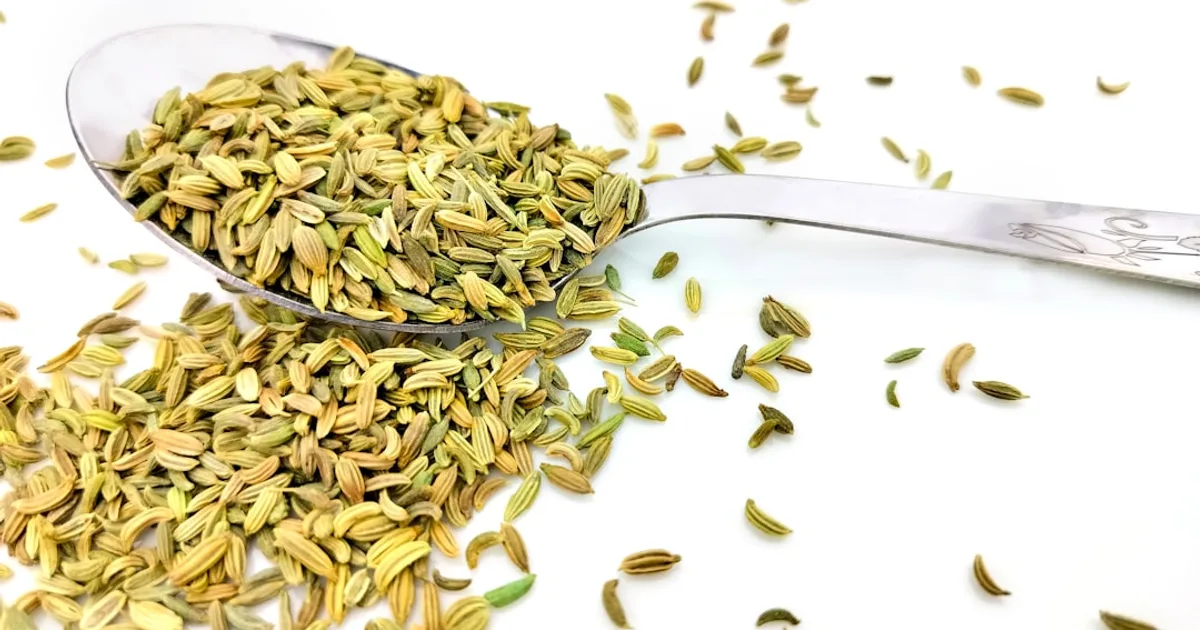
Fennel (Foeniculum vulgare) gives you three different harvests from a single planting: the bulb, the feathery fronds, and the seeds. Retail prices for fennel bulbs run $3–$6/lb at grocery stores and more at farmers markets (USDA AMS Market News, 2023). The practical challenge is that fennel produces allelopathic compounds that suppress the growth of most neighboring plants. It needs its own space, physically separated from the main vegetable garden.
Florence versus bronze fennel
There are two distinct plants you might encounter under the name fennel, and they’re used completely differently.
Florence fennel (Foeniculum vulgare var. azoricum), also called finocchio, forms a swollen, layered bulb at the base. This is the vegetable fennel - the bulb is eaten raw in salads or braised, roasted, and caramelized. Florence fennel is an annual, grown and harvested within one season. This is what you grow if you want bulb fennel.
Bronze fennel (F. vulgare ‘Purpurascens’) is a perennial herb grown for its bronze-purple foliage and seeds. It does not form a bulb. It grows 4–6 feet tall, self-seeds prolifically, and comes back each spring in Zones 6–10. The fronds are used as an herb and the seeds as a spice.
Both produce allelopathic chemicals - primarily trans-anethole and fenchone - that inhibit germination and root growth of many other plants when exuded from roots and decomposing leaf tissue (Petrova et al., Industrial Crops and Products, 2016). Keep fennel away from tomatoes, beans, peppers, and most brassicas. Dill is particularly susceptible. Plant fennel at the edge of your garden or in a dedicated bed.
| Feature | Florence fennel (F. vulgare var. azoricum) | Bronze fennel (F. vulgare ‘Purpurascens’) |
|---|---|---|
| Growth form | Annual | Perennial |
| Edible parts | Bulb, stalks, fronds, seeds | Fronds, seeds (no bulb) |
| Primary use | Bulb vegetable: raw, braised, roasted | Herb/ornamental; seeds for cooking |
| Hardiness | Annual anywhere; grow from seed each year | Zone 6-10 perennial |
| Height at maturity | 18-24 inches before bulbing | 4-6 feet |
| Bolt risk | High (heat and day-length sensitive) | Low (doesn’t need to be managed for bolting) |
| Spacing | 12 inches | 18-24 inches |
| Allelopathic | Yes | Yes |
The practical takeaway: if you want fennel bulb, grow Florence fennel as an annual. If you want a permanent perennial for fronds and seeds, bronze fennel is the better plant - it’s more ornamental, easier to manage, and doesn’t require the bolt-prevention attention that Florence needs.
The ROI case
A $2.49 packet of Florence fennel produces 50–75 plants. Thin to one plant every 12 inches; a 10-foot row yields 10 bulbs. Bulbs average 0.75–1.5 lb each at grocery retail (USDA AMS); a $2.49 investment produces 7.5–15 lb in bulbs at $4/lb retail value: $30–$60.
The fronds add to that. Fennel fronds are sold in specialty stores for $1–$2 per bunch. There is no additional planting cost - you harvest fronds from the same plants growing toward bulb formation. The seeds from bronze or bolted Florence fennel have culinary and medicinal use; dried fennel seed runs $10–$20/oz at specialty retailers.
Triple harvest value from a 10-foot row of Florence fennel (10 plants):
| Harvest | Yield | Value | Notes |
|---|---|---|---|
| Bulbs | 10 bulbs × ~0.9 lb avg = 9 lb | $36 ($4/lb retail) | USDA AMS Specialty Crop Market News, 2023 |
| Fronds | ~0.6 lb total (trimmings while growing) | $6 ($10/lb specialty) | Sold in 1-2 oz bundles at $1-2 each |
| Seeds (from 2-3 bolted plants) | ~2 tbsp per bolting plant = ~6 tbsp | $2.50 (dried seed $8-15/oz) | Allow 2-3 plants to bolt for seed harvest |
| Total | ~$44.50 | From one $2.49 seed packet |
The seeds-from-bolted-plants strategy depends on intentionally not harvesting 2-3 plants at the bulb stage - let them bolt and run to seed instead. You lose the bulb value on those plants but gain dried fennel seed, which has real culinary and commercial value. Whether that trade-off makes sense depends on whether you actually use fennel seed in cooking.
Spring vs fall planting
Florence fennel can be grown as both a spring and fall crop, and the fall planting is more reliable in most climates. The distinction matters because bolting is the primary management challenge.
| Season | Sow timing | Harvest window | Bolt pressure | Best regions |
|---|---|---|---|---|
| Spring | 4-6 weeks before last frost | Early summer (May-June) | High - summer heat arrives just as bulbs are sizing | Pacific Northwest, cool-summer climates, Zone 7+ with mild springs |
| Fall | 10-12 weeks before first frost | Late summer/early fall (September-October) | Low - shortening days and cooling temps reduce bolt trigger | Most of the US; Zone 5-9; especially reliable in humid climates |
For Zone 6-7, direct sow the fall crop in late July through early August. Transplanting, even from pots, increases bolt risk due to root disturbance. The fall crop matures in September and October when temperatures are dropping - exactly the conditions Florence fennel needs. If your spring crop keeps bolting before the bulbs size up, switch to fall-only planting.
Growing requirements
Florence fennel bolts (flowers and goes to seed) quickly when stressed - especially heat stress and transplant shock. Direct seeding is strongly preferred over transplanting. Sow directly in the garden 4–6 weeks before the last frost for spring crop, or in late summer for fall harvest. Fall crops are generally more reliable in warm climates because shortening days and cooling temperatures reduce bolt pressure.
Soil pH 6.0–6.5 in loose, well-drained soil. Fennel has a tap root and compacted or rocky soil produces forked, misshapen bulbs. Work the bed to 12 inches before planting.
Thin seedlings to 12 inches apart. Blanch Florence fennel by hilling soil around the forming bulb when it reaches 2–3 inches in diameter - mound 2–3 inches of soil around the base. Blanching produces whiter, milder, more tender bulbs, though it’s not strictly necessary for a good harvest.
Water at 1 inch per week once established. Consistent moisture prevents premature bolting. Fennel established in cool weather is somewhat drought-tolerant; plants in heat need consistent irrigation.
Bolting
Florence fennel bolts readily under any combination of drought stress, heat (consistently above 85°F), long days, or root disturbance. Bolted plants send up a tall flower stalk and the bulb becomes pithy and less flavorful. The fronds are still usable, and if you let the plant go to seed, you have a supply of fennel seeds. But you’ve lost the bulb.
Succession-sow every 3 weeks in spring to spread harvest across more of the season and reduce the risk that all your plants bolt simultaneously during a heat wave.
What goes wrong
Fennel caterpillar (Papilio polyxenes, the black swallowtail butterfly) larvae are striking - green with black bands and yellow spots. They defoliate plants quickly but are rarely present in large enough numbers to seriously harm established fennel. Hand-pick or relocate larvae if you can. The adults are native pollinators worth encouraging.
Root rot (Fusarium oxysporum, Rhizoctonia spp.) develops in waterlogged soil. Ensure good drainage before planting.
Aphids cluster on soft new growth, particularly around forming flower heads. A blast of water is usually sufficient; insecticidal soap for heavier infestations.
Bolting is the most common problem with Florence fennel. It’s not a pest or disease - it’s a management issue. Cool-season timing and consistent moisture prevent most of it.
Harvest and storage
Harvest Florence fennel bulbs when they reach 3–4 inches in diameter. Don’t wait for the plant to bolt; harvest before the bulb begins to split or send up a stalk. Cut at the soil line or pull the whole plant. The bulb, attached stalks, and feathery fronds are all edible.
Fennel bulbs keep refrigerated for 1–2 weeks. The fronds wilt faster - use within a few days or store in water like cut flowers.
For seed harvest from bronze fennel or bolted Florence fennel: allow seed heads to dry on the plant, then cut and hang upside down over a tray to catch seeds. Dried seeds store sealed for 2–3 years.
Culinary applications
The three harvest components have completely separate kitchen applications.
Fennel bulb: the inner layers are tender and sweet with pronounced anise flavor when raw. Slice thin on a mandoline for raw fennel salad with orange, arugula, and shaved Parmesan. For cooked applications, the flavor mellows: braised in olive oil and white wine for 30-40 minutes until very tender (the standard accompaniment to fish in Italian cooking), or halved and roasted at 400°F until caramelized. Cooking converts the sharp anise edge to a gentle sweetness. The flavor of cooked fennel is mild enough that people who claim to dislike fennel often eat it without knowing what they’re eating.
Fennel fronds: use as you would fresh dill - their flavor is similar but lighter and more anise-forward. Scattered over a salmon fillet before roasting, mixed into grain salads, or used in compound butter for fish.
Fennel seed (dried): essential in Italian sausage seasoning (1 tsp whole seed per lb of pork), in fennel pollen (the collected dried pollen, expensive at specialty retailers, which you can harvest from your own plants), and in spice blends for fish. Toast seeds in a dry pan for 60 seconds before using to release more volatile oil.
Related crops: Arugula, Lettuce
Related reading: Companion Planting Basics - why fennel’s allelopathy is one of the few companion planting effects with documented mechanisms
Growing Fennel? Track your harvest value and break-even date in the Garden ROI app.
Get the App