
Lettuce
Lactuca sativa
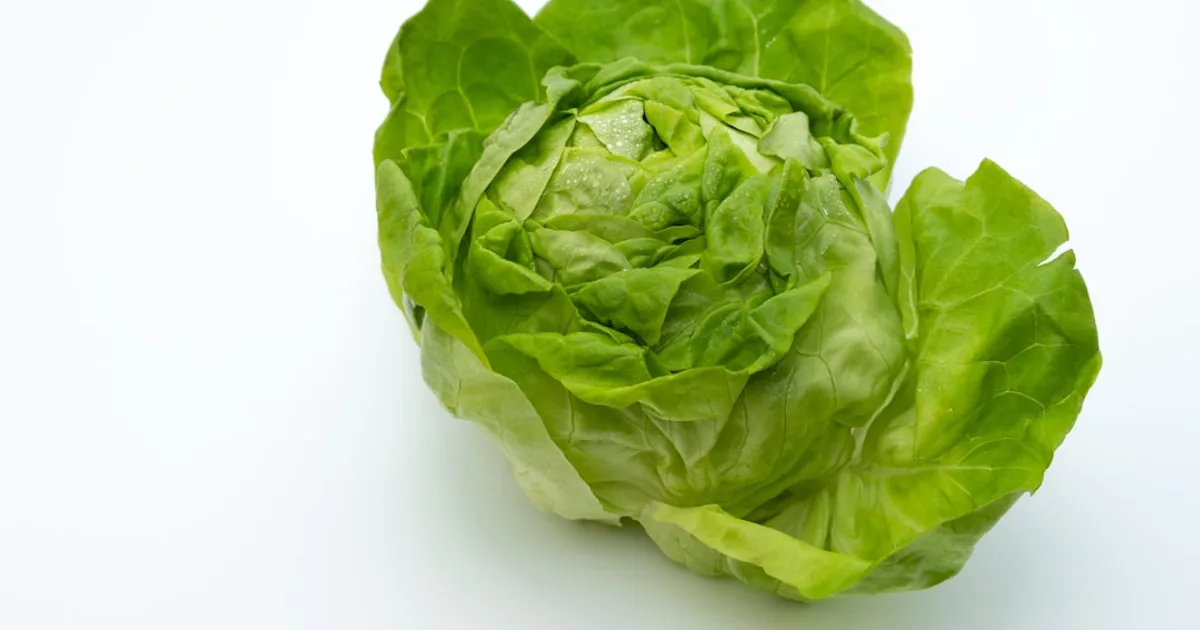
Lettuce (Lactuca sativa) is probably the most immediate win available to a beginning home gardener. Forty-five days from seed to first harvest. A $2.49 packet. And if you’re growing baby leaf in a 4x2 bed with decent succession planting, you can realistically pull 8 to 12 pounds of greens over a spring and fall season combined - greens that sell for $6 to $10 per pound at specialty grocers.
At $7 per pound for baby leaf, that’s $56 to $84 of produce from one small bed. Seed cost is essentially a rounding error. The actual cost is attention - lettuce bolts fast, needs consistent moisture, and has a hard stop every summer when the heat arrives. But if you understand the windows and plant into them, lettuce is one of the few crops where the math works out clearly in the first season.
The ROI case, spelled out
Baby leaf loose greens at a specialty grocery or farmers market typically run $6 to $10 per pound. Head lettuce - butterhead, romaine, crisphead - runs $1.50 to $3 per pound at conventional retail, higher at specialty stores. The price difference matters when you’re calculating returns.
A single 4x2-foot bed (8 square feet), broadcast-sown and managed as baby leaf, can yield 1 to 1.5 pounds per cutting at 3 to 4 inches height. With 2 to 3 regrowth cuts per sowing and multiple successions through spring and fall (8 to 10 total), realistic total production runs 8 to 12 pounds per season from that one bed.
| Scenario | Total yield | Price/lb | Gross value | Seed cost | Net return |
|---|---|---|---|---|---|
| Baby leaf, baby succession | 10 lb | $7.00 | $70.00 | $2.49 | $67.51 |
| Head lettuce, spring and fall | 6 lb | $2.50 | $15.00 | $2.49 | $12.51 |
| Mixed (some baby, some heads) | 8 lb | $4.75 blended | $38.00 | $2.49 | $35.51 |
The baby leaf approach wins on dollars per square foot per year. Head lettuce wins on simplicity - you plant once, tend it, cut once. If you want the highest return from a small space and you’re willing to resow every ten days, grow baby leaf. If you want a more hands-off season, grow heads.
One practical note on seed cost: a single packet contains far more seeds than one season needs. Lettuce seed viability holds two to three years stored cool and dry (USDA Agricultural Research Service, seed viability guidelines). The $2.49 is really a two-year cost, not annual.
Cut-and-come-again versus head lettuce
These are genuinely different growing strategies, not just different varieties.
Cut-and-come-again (baby leaf): Broadcast seeds densely across the bed - 1 inch spacing or denser. No thinning needed. When plants reach 3 to 4 inches, cut across the bed with scissors 1 inch above the crown, leaving the growing point intact. The plants regrow and you cut again in 7 to 14 days. Repeat 2 to 3 times per sowing before the quality drops. Then resow. The advantage is continuous production and high yield per square foot. The work is in the resowing schedule - you’re planting every 10 days through the cool windows.
Head lettuce: Space plants 6 to 12 inches apart depending on type. Let them grow to full size over 55 to 90 days depending on variety. Harvest the whole head once. You get a larger single harvest but you’re starting over with each plant. Head lettuce takes more space per unit of yield and requires more time, but it’s a simpler workflow. One planting session, one harvest session.
For a 4x2 bed dedicated to baby leaf, you can run five to six successions in spring and three to four in fall - about nine total. For the same bed in head lettuce, you fit roughly eight heads at 6-inch spacing and get one spring harvest and one fall harvest. The baby leaf approach produces more total weight and more total value from the same square footage. The head approach requires less ongoing attention.
The honest answer is that most people with limited bed space do both - a small area of broadcast baby leaf for ongoing salads, a row or two of head lettuce for the occasions when you want an actual head.
Succession planting calendar (Zone 5-6)
Lettuce has two productive windows outdoors separated by a summer gap. The windows are non-negotiable - once temperatures hit 80°F for several consecutive days, bolting accelerates and you’re done regardless of what you do.
Spring window: March 1 through May 15
Sow every 10 days starting as soon as soil can be worked and nighttime temperatures stay above 28°F with row cover protection. Lettuce tolerates light frost and germinates at soil temperatures as low as 40°F, though germination is fastest at 60 to 65°F (Penn State Extension, Cool-Season Vegetable Production, 2022). A row cover or cold frame extends the early end of this window by two to three weeks.
Succession dates for Zone 5-6 spring:
- March 1 (with row cover)
- March 10
- March 20
- April 1
- April 10
- April 20
- May 1
- May 10 (likely your last spring sowing before bolt risk rises)
Summer gap: June through mid-August
Skip outdoor lettuce in Zone 5-6. Plants started in late May will bolt by late June. Some gardeners push into June by using afternoon shade from taller crops and choosing heat-tolerant varieties - more on those below - but this is managing a losing battle, not a real extension. You’ll get maybe a week or two of extra harvest.
The practical move is to pull spring lettuce when it bolts, amend the bed, and either leave it fallow or use it for a summer crop (beans, basil) until fall planting time arrives.
Fall window: August 15 through October 15
Count back from your first expected frost (Zone 5: October 1 to 15; Zone 6: October 15 to November 1) and start succession planting 8 to 10 weeks before that date. Fall lettuce typically grows slower as days shorten and temperatures drop, so give yourself more time than you think you need.
Succession dates for Zone 5-6 fall:
- August 15
- August 25
- September 5
- September 15 (likely your last sowing for meaningful harvest before frost)
Winter extension: October through December
With a low tunnel or cold frame and row cover, lettuce planted in October will continue growing slowly into December. Growth nearly stops below 40°F but plants survive light freezes and can be harvested on mild days. This is not a major production window - you’re extending harvest, not growing a full crop. Baby leaf varieties work better here than head types because they can be harvested at any size.
Total productive successions for Zone 5-6: 8 to 10 per season across spring and fall.
Heat-tolerant varieties for the summer gap
Standard butterhead and looseleaf varieties bolt when daytime temperatures exceed 75°F and nights stay above 60°F. If you want to push into early summer, these varieties have documented heat and bolt resistance.
Jericho (romaine, 60 days): Developed in Israel for desert conditions. Consistently the top-performing heat-tolerant romaine in university trial comparisons. Forms a large, upright head and delays bolting significantly in warm conditions. A legitimate choice for late spring planting where standard varieties have already given up.
Nevada (looseleaf, 48 days): Widely recommended for heat resistance in the looseleaf category. Open, wavy green leaves. Bolt-resistant enough to extend the spring window by a week or two compared to standard looseleaf types.
Muir (butterhead, 55 days): Heat-tolerant butterhead developed specifically for warm-climate performance. Holds better than most butterhead types when temperatures rise, though it will still bolt eventually.
Merlot (looseleaf, 55 days): Deep burgundy color, slow-bolt characteristics. Good choice if you’re growing for farmers market appeal alongside heat tolerance.
No lettuce variety is truly heat-proof. What these varieties offer is delayed bolting - days, not weeks. Plan around the heat windows; use heat-tolerant varieties to squeeze the margins.
Type comparison table
Retail prices from USDA AMS; bolt timing by type based on Zone 5-6 observations from Penn State Extension, Cool-Season Vegetable Production, 2022.
| Type | Examples | Days to maturity | Retail price | Bolt timing (Zone 5-6) | Best use |
|---|---|---|---|---|---|
| Loose-leaf | Oak Leaf, Red Sails, Nevada, Merlot | 30-45 days (baby leaf) | $6–$12/lb (spring mix/baby leaf) | Bolts when daytime temps exceed 80°F, mid-June to early July | Cut-and-come-again, continuous harvest |
| Butterhead | Bibb, Boston, Muir | 55-65 days | $2.50–$4.00/lb (USDA AMS) | Bolts quickest of the main types; same threshold but less tolerance | Single harvest, premium eating quality |
| Romaine/Cos | Parris Island, Jericho, Cimarron | 70-80 days | $1.50–$2.50/lb for romaine hearts (USDA AMS) | Holds 2-3 weeks longer than loose-leaf; most heat-tolerant lettuce type | Longer season, better summer performance |
| Crisphead/Iceberg | Great Lakes, Ithaca | 90+ days | $1.00–$1.50/lb | Low; requires sustained cool, forms heads late | Not recommended for home gardens |
The bolt timing difference between types is practically significant: in Zone 5-6, romaine bought you an extra 2-3 weeks of harvest compared to butterhead when temperatures climb in June. Loose-leaf is fastest to bolt but also fastest to harvest - you’re cutting it as baby leaf at 30-45 days, well before bolt pressure matters.
Looseleaf types bolt fastest but recover best from cutting - they’re purpose-built for the cut-and-come-again approach. Butterhead produces the highest quality eating heads with sweet, tender leaves, but it’s the most bolt-susceptible of the main types. Romaine takes the longest to mature but earns it with better heat resistance and a longer productive window. Crisphead is genuinely difficult at home - it needs 90+ days of consistent cool, forms tight heads only under specific conditions, and commands the lowest retail price. The effort-to-return ratio is poor. Grow it if you love it; don’t grow it for the economics.
For a full succession planting schedule by zone with specific sowing intervals, see Succession Planting Calendar.
Growing requirements
Lettuce germinates best with light. Surface-sow or cover seeds with no more than 1/8 inch of soil - light aids germination and deep sowing suppresses it (University of Vermont Extension, Growing Lettuce, 2019). Germination is reliable at soil temperatures of 40 to 65°F. Above 75°F, germination drops sharply due to thermodormancy - the plant’s built-in heat sensing that prevents germination in unfavorable conditions. If you’re starting fall seeds in August when soil is still warm, germinate them in a cool location or pre-chill seeds in a damp paper towel in the refrigerator for 24 to 48 hours.
Soil pH of 6.0 to 7.0 is the workable range. Lettuce is a light feeder. It benefits more from consistent moisture and good compost incorporation than from heavy fertilization. Amend beds with 2 to 3 inches of finished compost before each planting. Established plants need little additional feeding - if leaves are pale and growth is slow, a single application of dilute balanced liquid fertilizer addresses nitrogen deficiency quickly without triggering excessive rapid growth that invites tipburn.
For baby leaf production: water consistently. The leaves you’re eating are mostly water, and uneven moisture produces tough or bitter greens. A drip line or soaker hose works better than overhead irrigation for lettuce because wet foliage in cool, humid conditions promotes downy mildew.
Container and indoor growing
Lettuce is one of the most practical container crops. You need 6 to 8 inches of depth - shallow enough to work in a standard window box or a half-barrel planter. Any well-draining potting mix works. Container lettuce dries out faster than in-ground beds, so check moisture daily in warm weather.
Under grow lights, lettuce can be grown year-round indoors. The target is 16 hours of light per day at a light intensity that supports vegetative growth - most full-spectrum LED grow lights positioned 6 to 12 inches above the plants will work. Cool-white fluorescent fixtures also work and cost less upfront.
Indoor winter lettuce economics: a 2x2-foot grow tray producing baby leaf every 30 days at 0.5 lb per cutting yields roughly 6 lb per year. At $7/lb, that’s $42 annual value. Grow light electricity at average US residential rates (roughly $0.13/kWh as of USDA ERS 2023 data) running a 45-watt LED for 16 hours/day runs about $2.50/month, or $30/year. Net value: around $12 per year - thin but positive, and the value calculation doesn’t include the convenience of stepping into the kitchen and cutting salad greens in January.
The more honest appeal of indoor winter lettuce isn’t the economics. It’s that you’re eating fresh greens cut minutes ago instead of week-old bagged salad from a distribution center.
What goes wrong
Bolting is the primary failure mode. Once the plant commits to forming a seed stalk, triggered by long days and sustained heat, the process is irreversible. Leaves turn bitter fast - lactucin and lactucopicrin concentrations increase sharply in bolting plants (HortScience, various). When you see the center elongating into a column, harvest everything remaining immediately. Don’t wait. Then pull and resow if you’re still in a productive window.
Slugs and snails are the most damaging lettuce pest in most regions. They feed at night and leave irregular holes with slime trails. Iron phosphate bait is effective and safe around vegetables and pets; apply it around the perimeter of beds. Diatomaceous earth helps but loses effectiveness when wet - reapply after rain.
Downy mildew (Bremia lactucae) shows as pale yellow patches on upper leaf surfaces with white sporulation underneath, most common during cool, humid weather. Good air circulation and avoiding overhead irrigation in the evening reduces infection pressure. Most commercial looseleaf varieties now carry resistance to known Bremia races; check the catalog description when ordering.
Tipburn - brown, papery inner leaf edges - is a calcium translocation problem, not a soil calcium deficiency. It happens during periods of rapid growth when the plant can’t move calcium to interior leaves fast enough. Consistent watering and avoiding excess nitrogen reduce incidence (Cornell Cooperative Extension, Lettuce Production, 2021). Head types, especially butterhead and crisphead, are more susceptible than looseleaf types.
Harvest and storage
For baby leaf: cut across the whole bed with scissors or a sharp knife 1 inch above the crown when plants are 3 to 4 inches tall. The growing point stays intact. Regrowth takes 7 to 14 days depending on temperature. You’ll typically get two to three good cuts before leaf size and quality decline, at which point you resow.
For head types: harvest the whole head by cutting at soil level when the head feels firm under gentle pressure. Don’t let butterhead or romaine sit past peak - overmature heads become bitter and may split in the center. Crisphead is more forgiving on timing once formed.
Lettuce deteriorates fast after cutting. Refrigerate unwashed in an airtight bag with a paper towel to absorb excess moisture. Washed and spun-dry greens last about a week in the fridge; unwashed greens in a sealed bag often last five days. Either way, home-cut lettuce kept properly will outlast packaged salad greens that have already been sitting in cold chain for a week before you bought them.
Related crops: Arugula, Spinach, Strawberry, Mache, Sorrel, Mizuna, Tatsoi, Chrysanthemum Greens, Endive
Related reading: Salad Greens ROI - per-type value comparison for lettuce, arugula, spinach, and mixed greens; Succession Planting Calendar - zone-specific sowing intervals for continuous harvest; Spring Garden Planning - timing cool-season crops around frost dates; Grocery Tier ROI - how salad greens rank in the retail organic price tiers; Slug and Snail Control - the primary soft-bodied pest on lettuce and how to manage it
Frequently Asked Questions
How long does lettuce take to grow?
Leaf lettuce is ready to harvest in 45 to 65 days. Baby leaf can be cut in as little as 30 days. Head lettuce such as romaine or butterhead takes the full 65 days.
How much does a lettuce plant yield?
A loose-leaf lettuce plant produces about 1.5 lbs over its productive life with repeated outer-leaf harvesting. Cut-and-come-again varieties can be harvested multiple times from the same plant.
Is growing lettuce worth it financially?
Grocery romaine or leaf lettuce averages $3.50/lb. A $2.50 seed packet can grow 20 or more plants, making the per-plant seed cost under 15 cents against $5 or more in harvest value each.
How do you store lettuce?
Store lettuce in the refrigerator in a container lined with paper towels to absorb moisture. Whole heads keep up to 2 weeks; cut leaves last 3 to 5 days.
Growing Lettuce? Track your harvest value and break-even date in the Garden ROI app.
Get the App