
Apricot
Prunus armeniaca
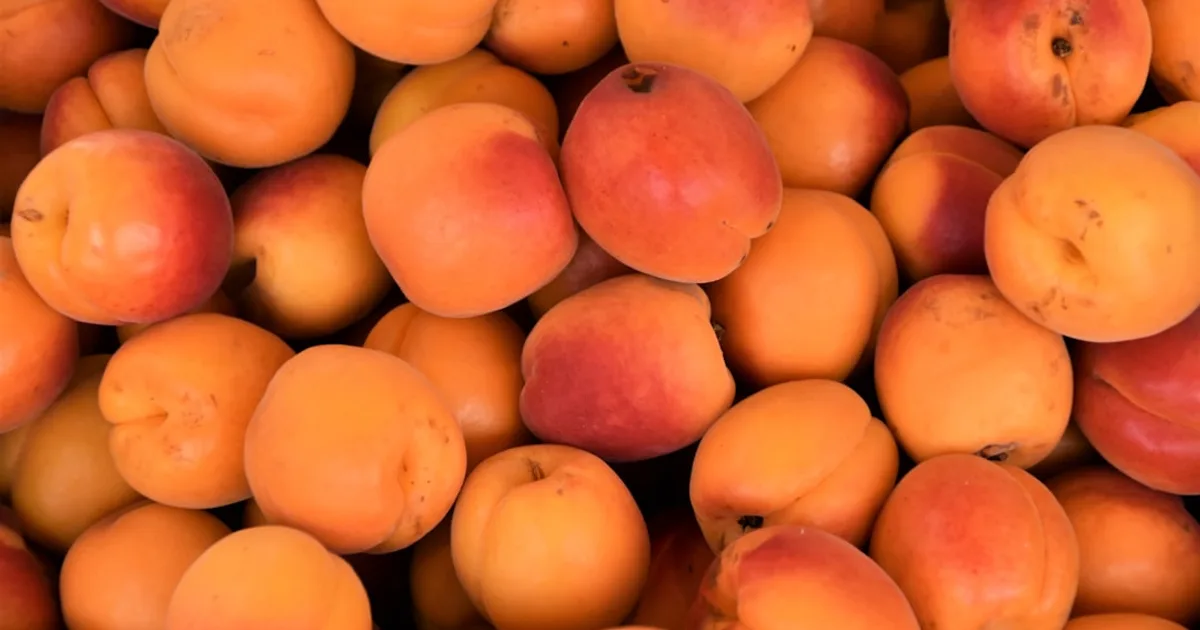
The apricot’s problem isn’t production - a mature tree loaded with fruit in a good year is one of the most productive stone fruits per square foot. The problem is late frost. Apricots bloom 2-3 weeks earlier than other stone fruits, and that early bloom puts the flowers directly in the path of the last frosts of spring. One night at 28°F during bloom eliminates the entire year’s crop. In zones 6-7, that happens regularly enough to make apricots unreliable. In zones 8-9, the risk drops sharply, and in zones 5 and colder, late-blooming varieties offer a partial solution.
If you’re in the right location - a south-facing slope with cold-air drainage, or a zone 8-9 climate - a mature apricot tree produces 20-40 lb of fruit at $3-5/lb fresh, plus dried fruit value at $8-12/lb. That’s a compelling return for a tree that, once established, requires less maintenance than peaches.
What it actually is
Prunus armeniaca is a stone fruit native to Central Asia, specifically the Tian Shan and neighboring mountain ranges in what is now China and Kyrgyzstan - despite the “armeniaca” name suggesting Armenian origin (Vavilov, Origin and Geography of Cultivated Plants, Cambridge University Press, 1992). The Romans brought it west through Armenia, which is how the name stuck.
The fruit ripens in early to mid-summer, before peaches. It stores poorly fresh - 3-5 days at room temperature - which is why good fresh apricots are hard to find commercially. The commercial market is dominated by California, and picked-for-shipping California apricots are a degraded product compared to tree-ripened homegrown. This is the single strongest argument for growing your own.
Key varieties:
| Variety | Zones | Chill hours | Late-frost tolerance | Flavor | Notes |
|---|---|---|---|---|---|
| Moorpark | 5-9 | 700 | Low | Rich, complex | Traditional standard; bloom risk in cold zones |
| Goldcot | 5-8 | 800 | Moderate | Good | Cold-hardy; developed at Michigan State |
| Harcot | 5-8 | 700 | Good | Very good | Canadian introduction; reliable in zone 5-6 |
| Tilton | 6-9 | 600 | Moderate | Good | Good fresh and dried |
| Floragold | 8-10 | 300 | High (bloom is late relative to temp) | Mild | Low-chill; for Southern California, similar climates |
| Flavor Delight (aprium) | 8-10 | 250 | High | Sweet-tart | Apricot-plum hybrid; very productive in zone 8-9 |
Dried apricot distinction: the brilliant orange color in commercially dried apricots comes from sulfur dioxide fumigation. Unsulfured homegrown dried apricots are brown - still high quality, entirely different appearance.
The ROI case
Apricot trees live 20-30 years and produce reliably from year 4-5 onward. The 10-year ROI calculation below accounts for the establishment period and average expected late-frost losses in zone 7 (roughly 1 in 3 years is a partial or total crop loss from late frost).
| Year | Expected yield | Value @$4/lb | Cumulative value | Tree cost | Cumulative net |
|---|---|---|---|---|---|
| 1 | 0 | $0 | $0 | -$24.99 | -$24.99 |
| 2 | 0 | $0 | $0 | - | -$24.99 |
| 3 | 3 lb | $12 | $12 | - | -$12.99 |
| 4 | 10 lb | $40 | $52 | - | $27.01 |
| 5 | 15 lb | $60 | $112 | - | $87.01 |
| 7 | 20 lb | $80 | $252 (est.) | - | $227.01 |
| 10 | 20 lb avg* | $80 | $492 (est.) | - | $467.01 |
*20 lb average accounts for roughly one frost-damaged year in three at a partial crop.
In a zone 8-9 climate where late-frost risk is low, yield expectations of 25-40 lb per year from year 5-6 onward push the net past $600 by year 10.
Dried apricot production changes the math. 20 lb of fresh apricots yields approximately 5 lb of dried (roughly 4:1 fresh-to-dry weight ratio). At $10/lb for high-quality dried apricots, that 5 lb of dried fruit is worth $50 - approaching the value of the entire fresh crop.
Growing requirements
Site selection is everything. The single most effective thing you can do for apricot reliability is plant on a north or northeast-facing slope, or a site where cold air drains away rather than pools. North-facing slopes are slightly cooler in early spring - paradoxically, this delays bloom and reduces frost exposure. Avoid planting in low spots or at the bottom of slopes where cold air settles.
Chill hours: most apricot varieties need 700-900 chill hours (hours below 45°F). In zone 6-7, this is readily met. In zone 8-9, check that summer heat doesn’t arrive before chill is complete. Low-chill varieties for the South (Floragold, Katy, Gold Kist) have 250-400 hour requirements.
Rootstock: most apricots are sold grafted on Myrobalan plum or Prunus persica rootstocks. Myrobalan produces a larger, longer-lived tree; peach rootstock produces a slightly smaller tree with earlier bearing. Either works.
Pollination: most apricots are self-fruitful, but cross-pollination consistently improves yields. If space allows two trees, plant two different varieties that bloom at similar times.
Pruning: apricots produce fruit on spurs (short, stubby branches) and on new one-year-old wood. Annual pruning to maintain spur vigor and stimulate new wood is important. Unlike apples, which tolerate irregular pruning, apricots benefit from consistent annual thinning of the canopy.
Thinning fruit: when fruit are marble-sized, thin to one fruit per 4-6 inches of branch length. This is tedious on a full-sized tree but improves fruit size and prevents branch breakage under a heavy crop.
What goes wrong
Late frost during bloom is the primary production failure. No cultural practice prevents frost damage to open flowers. Mitigation: overhead irrigation on freeze nights (water protects flowers to about 28°F through latent heat release), frost cloth over small trees, or site selection to delay bloom.
Bacterial canker (Pseudomonas syringae): gummy amber exudate from the trunk or branches, often with dieback above the affected area. Common where winters are wet. Pruning during dry periods and copper-based dormant sprays at leaf fall and before bloom reduce incidence. Affected wood should be pruned out cleanly, cutting below visibly infected tissue.
Brown rot (Monilinia fructicola): same as cherries - attacks ripening fruit, spreads rapidly in wet weather at harvest time. Fungicide spray program during bloom and pre-harvest; sanitation (remove mummified fruit).
Cytospora canker (Cytospora leucostoma): enters through pruning wounds; causes branch dieback. Prune in dry weather and seal large pruning wounds. Stressed trees are more susceptible - maintain water and fertility to keep trees vigorous.
Aphids on new growth in spring. Insecticidal soap or strong water spray handles light infestations. Aphid pressure often moderate because natural predators (lady beetles, parasitic wasps) colonize apricot trees readily.
Harvest and use
Apricots ripen fast and signal clearly. A mature apricot goes from firm and underripe to peak flavor in 2-3 days. At peak, they give slightly to thumb pressure and have developed full orange color. Smell is the best indicator - a ripe apricot smells like a ripe apricot from two feet away. Harvest by hand daily during the 7-14 day harvest window.
Fresh storage: 3-5 days at room temperature; 1-2 weeks refrigerated. Use fresh quickly - they don’t hold.
Core preparations:
-
Eaten fresh from the tree: the entire point. A tree-ripened apricot has no commercial equivalent. The sugars and aromatics that give them complexity don’t survive cold-chain shipping.
-
Apricot jam: the benchmark stone fruit jam. High natural pectin; no added pectin needed with the proper fruit-to-sugar ratio. Standard: 4 cups pitted and chopped apricots, 3 cups sugar, 2 tablespoons lemon juice. Simmer until thickened and passes the cold-plate test.
-
Dried apricots: halve, pit, dry at 135°F for 12-18 hours until leathery but pliable. Pre-treating with lemon juice (rather than sulfur) helps retain color somewhat. The resulting dried apricots are brown but intensely flavored - used in tagines, rice pilafs, and holiday baking.
-
Apricot tart: sliced apricots over pastry cream in a tart shell. The French frangipane apricot tart uses almond cream as the base. Works equally well with a simple butter custard.
-
Apricot chutney: with ginger, onion, vinegar, and brown sugar. Better than most commercial chutneys; pairs with pork, duck, and curry.
-
Apricot eau de vie (brandy base): if you have more fruit than you can process fresh, ferment the pulp and distill or steep in vodka for a liqueur. Apricot produces excellent fruit spirits.
Related reading: Cherry - early stone fruit companion; Plum - fellow Prunus with similar care requirements
Growing Apricot? Track your harvest value and break-even date in the Garden ROI app.
Get the App