
Cherry
Prunus avium
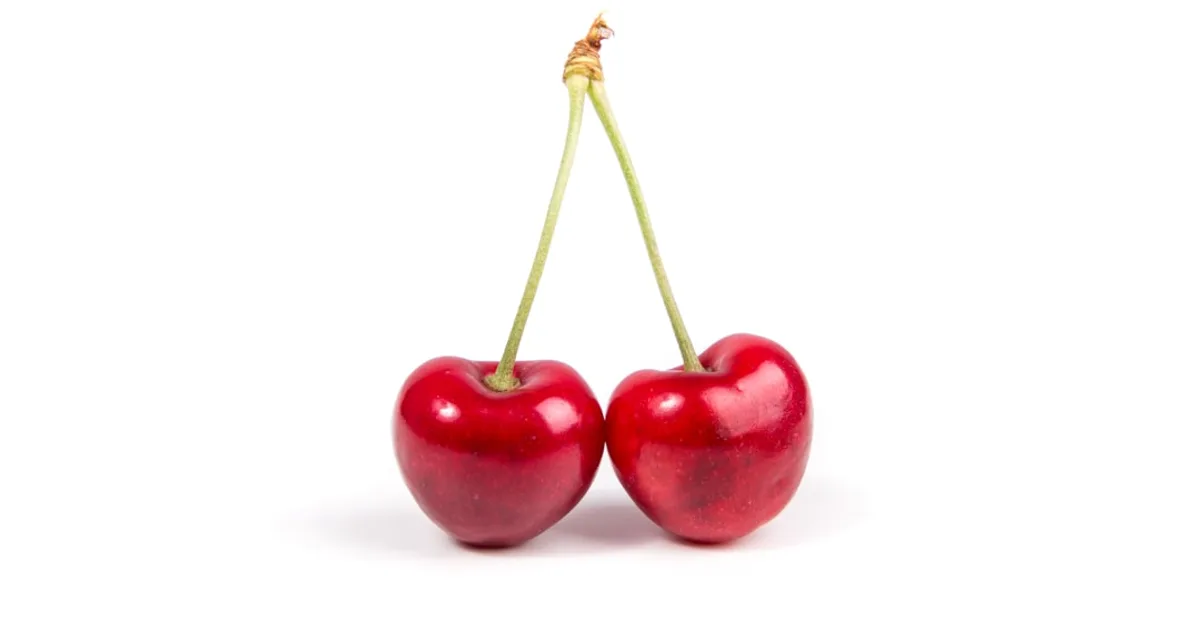
The first decision you make with cherries is the most important one, and most gardeners make it wrong. They buy a cherry tree without specifying whether it’s sweet or sour, and they end up with a 30-foot standard-size Prunus avium that birds strip clean every June. Before you pick a variety, before you pick a site, you need to decide which type of cherry you’re actually growing - because they are fundamentally different plants in terms of pollination requirements, climate tolerance, and what you’ll do with the fruit.
Sweet vs. Sour: The Decision That Shapes Everything
Sweet cherries (Prunus avium) are what you find at the farmers market - Bing, Rainier, Lapins, Stella. Large, sweet, excellent fresh. The problem is that most sweet cherry varieties are not self-fertile. Bing, Rainier, and most other popular varieties require a second, compatible sweet cherry variety within 50-100 feet for pollination. Plant a single Bing tree and you may get a handful of cherries from stray pollen or nothing at all. Sweet cherries also need 600-800 chill hours (hours below 45°F), bloom early in spring, and that early bloom makes them vulnerable to late frosts. They perform best in Zones 5-9, but they do best where spring frosts are rare after bloom.
Sour cherries (Prunus cerasus) - Montmorency, Morello, Balaton - are a different calculus entirely. Every major sour cherry variety is self-fertile. One tree produces. They’re harder (Zone 4 reliable), more tolerant of wet climates, less prone to fungal disease than sweet cherries, and they start producing a year or two earlier. The trade-off is that you won’t eat them off the tree - they’re too tart fresh. They’re processing fruit: jam, pie, juice, dried. For most home gardeners, especially in the northern half of the country, a single Montmorency is more reliable than any sweet cherry setup.
| Type | Species | Chill hours | Self-fertile | Hardiness | Primary use |
|---|---|---|---|---|---|
| Sweet | P. avium | 600-800 | Some (Stella, Lapins) | Zone 5-9 | Fresh eating |
| Sour/Tart | P. cerasus | 1,000-1,200 | Yes (all) | Zone 4-8 | Jam, pie, juice |
The self-fertility point deserves emphasis. If you have space for one tree, sour cherry is the honest answer. If you want sweet cherries and have space for two trees, plant two compatible varieties - Bing with Black Tartarian or Van, Rainier with Bing or Lapins. Stella and Lapins are self-fertile sweet cherries that work as single-tree plantings, though yields improve with a second variety nearby.
Rootstock: This Determines Whether You Can Actually Manage the Tree
Standard cherry trees on Mazzard rootstock reach 30-40 feet. That’s not a typo. A standard sweet cherry tree can exceed the height of a two-story house and spread 20 feet wide. You cannot effectively net a 35-foot tree. You cannot safely harvest the top half. Bird losses on an un-netted standard cherry tree will run 70-90% of the crop in a week.
Dwarf and semi-dwarf rootstocks solve this. When you buy a cherry tree, specify the rootstock:
- Gisela 5: true dwarf, 8-12 feet at maturity. Bears in year 2-3. Easy to net, easy to harvest from the ground with a short ladder. Requires staking and consistent irrigation. Best choice for most home gardens.
- Gisela 6: semi-dwarf, 12-15 feet. Slightly more productive than Gisela 5. Still manageable for netting.
- Mazzard: standard rootstock, 30-40 feet. Long-lived, high ultimate yield. Impractical for netting. Works on large properties where some bird loss is acceptable.
- Colt: semi-vigorous, 18-25 feet. A compromise - harder to net than Gisela 5 but more productive.
If you order from a catalog or nursery and the tree is listed simply as “cherry tree” without rootstock designation, ask. A bare-root cherry on unknown rootstock could be full-size. For a home garden where netting is part of your pest management plan - and it must be - Gisela 5 or Gisela 6 is the correct answer.
Bird Netting Is Not Optional
Cherries ripen over 4-6 weeks, and once they begin to color, every bird in your neighborhood knows it. Robins, starlings, cedar waxwings, and house finches will find a ripening cherry tree within days. An unprotected tree can lose 70-90% of its crop in a week. That’s not an exaggeration - it’s a documented outcome, and it will happen to you.
Physical netting is the only reliable deterrent. Reflective tape, fake owls, and predator calls provide minimal deterrence after a day or two - birds habituate to static deterrents quickly. Netting that physically excludes birds works every time.
Drape netting before the fruit begins to color - not after you notice the birds. Once birds have found a food source, they’re persistent. Netting after first color change is better than nothing but you’ll still lose fruit during the transition.
For a Gisela 5 tree at 8-10 feet, a standard garden netting panel (about 14x14 feet, $20-50) covers the canopy. Factor this into your ROI calculation as a recurring small cost - nets degrade after 3-5 seasons. The per-season cost is $5-15, which is trivial against a $150-300 annual harvest value from a mature tree.
For larger semi-dwarf trees, you may need multiple panels or purpose-built cherry netting (sold by orchard supply companies in larger dimensions). Plan this before you plant by sizing your rootstock to the netting you’re willing to manage.
The ROI Case, Year by Year
Fresh sweet cherries retail at $8-12/lb at farm stands and $6-10/lb at grocery stores during peak season (late May through July depending on region). Sour cherries retail at $3-6/lb fresh, or $4-7/lb at farm stands where they’re sold for processing. The premium is in sweet cherries for fresh eating; the predictability is in sour cherries processed into jam.
An established sweet cherry tree (year 5 and beyond) on Gisela 5 rootstock produces 20-30 lb/year. On semi-dwarf rootstock, 25-40 lb. These are conservative estimates that assume some bird loss, some brown rot years, and normal variation - not the theoretical maximums you’ll see in nursery catalogs.
| Year | Gisela 5 yield | Value @$9/lb (sweet) | Value @$4/lb (sour) | Cumulative sweet | Cumulative sour |
|---|---|---|---|---|---|
| 1 (plant) | 0 lb | $0 | $0 | -$40 | -$40 |
| 2 | 0-2 lb | $0-18 | $0-8 | -$40 to -$22 | -$40 to -$32 |
| 3 | 3-6 lb | $27-54 | $12-24 | -$13 to $14 | -$28 to -$8 |
| 4 | 8-12 lb | $72-108 | $32-48 | $59-$122 | $24-$40 |
| 5 | 15-20 lb | $135-180 | $60-80 | $194-$302 | $84-$120 |
| 7 | 20-25 lb | $180-225 | $80-100 | $554-$752 | $244-$340 |
| 10 | 22-30 lb | $198-270 | $88-120 | $1,106-$1,557 | $508-$700 |
Tree cost assumed at $30-45 for bare-root. Annual netting cost ($10) and incidental sprays (~$10-15/year) not deducted above. Net costs reduce 10-year totals by approximately $200-250.
The sour cherry numbers look smaller per pound, but the predictability is higher. You’re not depending on a second tree for pollination, you’re not managing a high-maintenance sweet variety, and you have a clear processing outlet for the fruit. Montmorency jam sells at farm markets for $12-15/half-pint jar. Grow your own fruit, make your own jam, and that math shifts.
Cherry Jam: The Value Math
Five pounds of fresh sour cherries yields 4-5 half-pint jars of cherry jam at a standard recipe ratio (equal weights fruit and sugar, cooked to gel point). At $12-15/jar retail, that’s $48-75 in jam value from a single 5-lb picking session.
Cherry jam doesn’t require added commercial pectin for a soft set - sour cherries have sufficient natural pectin when cooked with lemon juice. A firmer jam benefits from a small amount of added pectin, but the base recipe is simple: pit 5 lb sour cherries, add 5 lb sugar and 1/4 cup lemon juice, cook to 220°F or until it sheets off a spoon. Process in a water bath canner for 10 minutes.
On a productive year with 20-25 lb of Montmorency cherries, you’re looking at 16-20 jars of jam valued at $192-300, plus whatever you use fresh, dry, or freeze. That’s a substantial pantry return from one self-fertile tree.
Growing Requirements
Cherries need full sun - 6 hours minimum, 8 preferred. They’re among the most site-sensitive tree fruits in terms of drainage: standing water for even a few days can damage roots. Avoid low spots, heavy clay soils, and sites with poor air circulation that trap humidity against the canopy. A gentle slope with air movement is the ideal site.
Soil pH of 6.0-6.5 is the target range. Cherries are moderate feeders - an established tree benefits from a balanced fertilizer (10-10-10 or similar) applied once in early spring, but avoid heavy nitrogen applications that push vegetative growth at the expense of fruiting.
Chill hour requirements matter. Sweet cherries need 600-800 hours below 45°F depending on variety; sour cherries typically need 1,000-1,200 hours. Zone 7 reliably provides 700-1,000 chill hours in most winters; Zone 8 averages 400-700 and becomes marginal for some varieties. If you’re in Zone 8-9, look at low-chill sweet cherry varieties (Minnie Royal, Royal Lee) bred specifically for warmer winters, understanding that yields won’t match what northern growers get from Bing.
Cross-pollination for sweet cherries requires compatible varieties - not just any two sweet cherries. Bing and Napoleon (Royal Ann) will not cross-pollinate each other effectively. Good compatible pairings: Bing with Black Tartarian, Van, or Rainier; Rainier with Bing or Lapins. Self-fertile varieties (Stella, Lapins, Sweetheart) simplify this and are worth considering even if you’re planting two trees.
What Goes Wrong
Brown rot (Monilinia fructicola) is the primary disease problem, especially in humid climates. The fungus attacks fruit in the final two to three weeks before harvest, turning cherries into mummified husks still hanging on the tree. Management starts at pink bud stage with a fungicide spray (sulfur-based or synthetic), continues through petal fall, and requires removing all mummified fruit at season’s end - they overwinter the fungus. Good air circulation through pruning reduces humidity in the canopy and slows disease progression.
Cherry fruit fly (Rhagoletis cingulata in eastern North America, R. indifferens in the West) lays eggs in developing fruit. The larvae are the small white worms you find when you bite into an infested cherry. Kaolin clay applied from petal fall through harvest - reapplied after rain - reduces adult fly access to fruit. Red sticky sphere traps hung at cherry canopy height monitor adult emergence and help time sprays.
Bacterial canker (Pseudomonas syringae) causes branch dieback, gummosis (amber sap oozing from bark), and lesions that girdle small branches. Prune cherry trees in late summer or early fall, not during dormant season - pruning cuts made in dry weather heal faster and are less susceptible to bacterial infection. Copper-based dormant sprays reduce inoculum. Avoid overhead irrigation that keeps bark wet.
Bird pressure - covered above, but worth repeating: net the tree, net it before fruit colors, and don’t expect any other method to reliably protect your crop.
Nanking Cherry: The Reliable Alternative for Zone 4-5
If you’re in Zone 4 or the colder parts of Zone 5, consider Prunus tomentosa - the Nanking cherry - before investing in sweet or sour cherry trees. This is a 5-8 foot deciduous shrub, not a tree. It’s hardy to Zone 2. It produces heavily starting in year 2-3 from bare-root planting. The fruit is small (about the size of a blueberry), red, tart, and excellent for jam, juice, and jelly - not sweet cherry quality for fresh eating, but far more reliable fruit production than sweet cherries in northern climates.
Nanking cherry is partially self-fertile but produces better crops with a second plant nearby. Two plants 6-10 feet apart will cross-pollinate and produce heavier. Because the shrub form stays under 8 feet, netting is straightforward - two or three panels over the top, secured at the base.
The ROI math is less dramatic per pound than mature sweet cherries, but the establishment curve is much faster. A bare-root Nanking cherry at $12-20 will produce a real harvest by year 3, with minimal pest management. For Zone 4-5 gardeners who want homegrown cherries for jam and juice without the complexity of sweet cherry management, Nanking cherry is the honest recommendation.
Harvest and Use
Pick at full color when fruit releases cleanly from the stem with gentle pressure. Pull with the stem attached - stemless cherries deteriorate faster and invite mold entry at the stem scar. Sweet cherries don’t hold long at room temperature: pick and eat within 3-4 days, or refrigerate immediately for up to a week. Sour cherries for processing hold better - 5-7 days refrigerated before quality drops.
Core uses:
Fresh sweet cherries need nothing. That’s the point of growing Bing or Rainier. Pick them at full ripeness, eat them the day you pick them, and understand that this is the specific experience you can’t buy at a grocery store where cherries are harvested underripe for shipping.
Sour cherry jam (see the value math above) is the primary preservation outlet. The acid balance in tart cherries creates superior jam to sweet cherry - better gel, cleaner flavor. Montmorency with sugar and lemon juice, processed in a water bath canner, stores for 12-18 months.
Cherry pie from fresh-pitted homegrown Montmorency is categorically different from commercial canned filling. Use fresh-pitted fruit, sugar, cornstarch, and a small amount of almond extract (which amplifies the cherry’s natural cherry flavor). Freeze-pack pitted sour cherries for winter pies: spread pitted cherries in a single layer on a sheet pan, freeze solid, then transfer to freezer bags. They hold for 12 months.
Dried sour cherries (dehydrated at 135°F for 8-10 hours until leathery) replace commercial dried cranberries in baked goods and grain salads. The flavor intensity is higher than fresh, and drying concentrates sugars enough that straight tart cherries become pleasant to eat without added sugar.
Related reading: Plum - fellow stone fruit; Apricot - early-season stone fruit companion
Growing Cherry? Track your harvest value and break-even date in the Garden ROI app.
Get the App