
Bay Laurel
Laurus nobilis
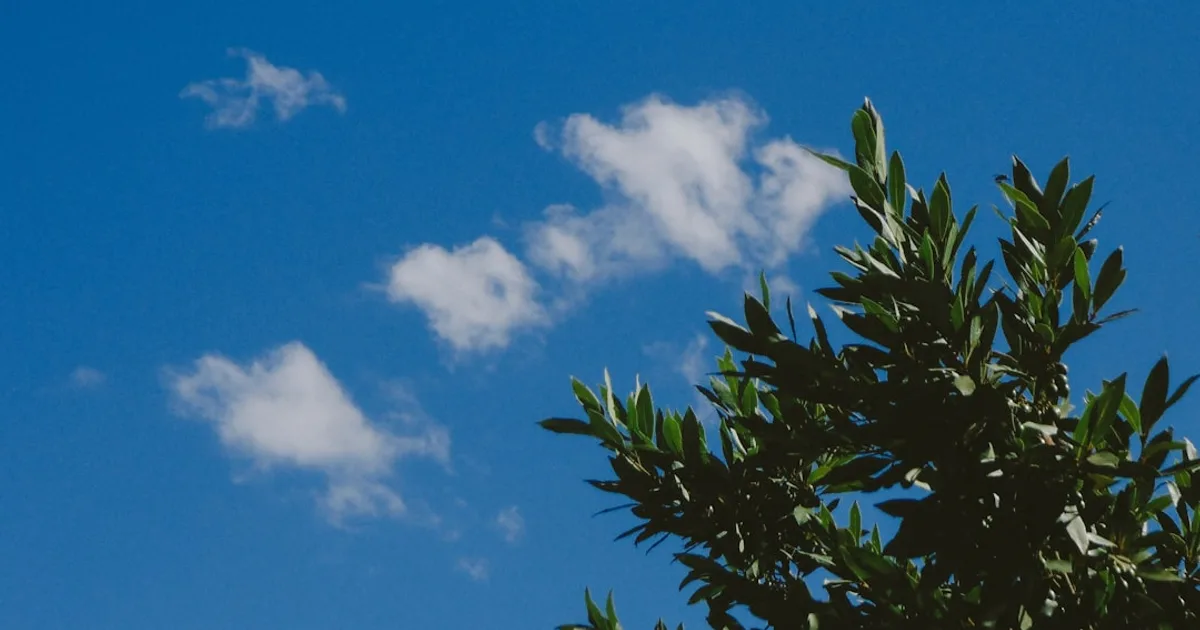
Bay laurel is the tree behind every bay leaf in every French braise, Italian tomato sauce, and slow-cooked stew. The dried leaves at the grocery store - small, papery, gray-green, barely aromatic - are a shadow of what fresh bay leaves from your own tree smell like. Fresh bay has an immediate, eucalyptus-adjacent aroma with warm, herbal depth. Even home-dried bay from a living plant is far more aromatic than commercial dried leaves, which are often years old by the time they reach the kitchen.
The tree is slow-growing but long-lived and requires almost no maintenance once established in a suitable climate. A single specimen provides more bay leaves than a household will ever use. In zones 8-11, it’s a garden permanent. In colder zones, it’s one of the most rewarding container trees you can grow.
What it actually is
Laurus nobilis is an evergreen tree native to the Mediterranean basin - the laurel of ancient Rome, used to crown generals and poets (laureate comes from this tree). It grows 20-60 feet tall unpruned in mild climates; in gardens and containers it’s easily maintained at 4-15 feet. The leaves are lance-shaped, 2-4 inches long, thick, and leathery with a waxy surface.
The bay family (Lauraceae) includes avocado, cinnamon, and sassafras. The culinary compound in bay leaves is eucalyptol (1,8-cineole), which provides the camphor-like aromatic quality, along with linalool and other terpenoids.
Important distinction - three “bay leaves” that are entirely different plants:
Laurus nobilis (true bay, Mediterranean bay) is the culinary standard in European and American cooking. This is the plant described in this entry.
California bay (Umbellularia californica): native to the Pacific Coast of North America. Leaves look similar to Laurus nobilis but contain much higher concentrations of umbellulone - the compound responsible for its intensely medicinal, almost mentholated aroma. A single California bay leaf is roughly 5-10x more potent than a European bay leaf. Used sparingly as a culinary substitute, it works, but full substitution in a recipe calling for L. nobilis results in an overpowering, headache-inducing dish. California bay also grows wild throughout the Bay Area and coastal California - foragers harvest it freely, which is fine in small amounts.
Indian bay leaf (Cinnamomum tamala, also called tej patta in Hindi): entirely different plant, entirely different family (Lauraceae, but the cinnamon genus). The leaves look somewhat similar to L. nobilis leaves but the flavor is decidedly cinnamon-clove-like rather than eucalyptol-camphor. Indian recipes calling for “bay leaf” typically mean Cinnamomum tamala. Using European bay leaf as a substitute in Indian biryani or meat dishes produces a noticeably different result. Indian grocery stores carry dried Cinnamomum tamala leaves; they are rarely sold outside that context. Growing your own Cinnamomum tamala requires zone 9+ conditions, similar to the tree cinnamon relatives it’s related to.
If you purchase a bay tree, confirm it is Laurus nobilis by checking that the leaf, when crushed, smells distinctly eucalyptol/herbal and not overwhelmingly strong.
The ROI case
Bay laurel is a slow-to-establish perennial investment measured in decades. The financial case is not the per-year return - it’s the lifetime supply argument.
A container of 3-4 dried bay leaves in a grocery store runs $3-5 for approximately 0.1 oz. At that retail rate, 0.25 lb of dried bay leaves is worth roughly $100-200. But that framing understates the value: most households purchase bay leaves intermittently for decades. One established tree eliminates that purchase category entirely.
| Year | Annual leaf yield | Value (fresh, equivalent) @$15/lb | Cumulative value | Plant cost | Cumulative net |
|---|---|---|---|---|---|
| 1-2 | Minimal | $0-3 | $3 | -$3.49 | -$0.49 |
| 3 | 0.1 lb | $1.50 | $4.50 | - | $1.01 |
| 5 | 0.25 lb | $3.75 | $11 (est.) | - | $7.51 |
| 10 | 0.5 lb | $7.50 | $47 (est.) | - | $43.51 |
| Lifetime | 0.5+ lb/yr | $7.50+/yr | Ongoing | - | Ongoing |
The real value is “never buy bay leaves again for 30 years.”
Growing requirements
Climate: Laurus nobilis is hardy to approximately 10°F (-12°C) in established specimens; young plants are more cold-sensitive. Zone 8-11 for outdoor culture; zone 7 with protection on a south-facing wall. In zones 5-6, container culture is standard.
Container culture: bay is one of the best container tree candidates available. It tolerates pruning extremely well and can be maintained at exactly the size needed. Use a well-draining potting mix; terracotta pots dry faster and suit bay better than plastic. Pot up as the plant grows - a root-bound bay becomes stressed and more susceptible to scale insect infestation. Move indoors when temperatures drop below 20°F; a south-facing window or grow light maintains the plant through winter. In spring, harden off gradually before moving back outdoors - a bay that has been inside all winter can sunscald if moved directly to full outdoor sun.
Slow growth: bay grows slowly - 6-12 inches per year under good conditions. Don’t expect a harvestable quantity of leaves in year one. By year 3-4 of a container-grown plant, you’ll have enough leaves for regular harvesting.
Soil: well-drained, moderately fertile. Bay does not tolerate waterlogged soils. In containers, ensure drainage holes are unobstructed. On the slightly alkaline side is fine (pH 6.0-7.5).
Pruning and shaping: bay responds extremely well to pruning and is traditionally trained as topiary - cones, spheres, and standards (ball on a straight trunk) are all common. Annual pruning in late spring after new growth hardens maintains shape and size.
Propagation: growing from seed is slow and difficult (seed viability is poor and germination takes 3-6 months). Stem cuttings in late summer - semi-hardwood, 4-6 inches, rooting hormone, bottom heat at 70°F - root in 4-8 weeks. Air layering also works. Most gardeners buy an established plant rather than starting from seed.
What goes wrong
Scale insects are the primary pest on bay, especially container-grown specimens indoors. Soft brown or waxy scale clusters on stems and leaf undersides. Treat with horticultural oil spray in late winter before new growth begins; repeat in summer. Rubbing off scale with a soft brush and alcohol is effective for light infestations.
Leaf scorch: brown leaf edges from low humidity indoors in winter, or from frost damage. Improve indoor humidity around the plant (pebble tray with water, or a humidifier). Remove frost-damaged leaves; the plant will refoliate in spring.
Sudden stem death in cold climates: a cold snap below the plant’s hardiness threshold kills branches even if the roots survive. In borderline zones, protect with frost cloth during cold events. Established plants often resprout from the base or roots after above-ground cold damage.
Yellow leaves: overwatering (root rot) or iron deficiency (alkaline soil/water). Check drainage first; reduce watering. If drainage is fine, test soil pH and amend if needed.
Harvest and use
Pick individual leaves as needed year-round on established plants. For drying, harvest in late spring and summer when essential oil content is highest.
The drying paradox: bay leaves are one of the few herbs that become more flavorful after drying, not less. Freshly picked bay leaves are noticeably green-smelling and somewhat harsh - the full characteristic bay aroma develops only after the leaves are dried for 1-2 weeks, during which the volatile compounds stabilize and integrate. Dry on screens or in loose bundles (not tightly wrapped) in a warm, ventilated location out of direct sun. Direct sun bleaches color and drives off some volatile compounds. Room temperature drying over 1-2 weeks produces better results than oven drying. At the end, the leaves should be dry but not brittle - still slightly flexible, very dark green.
Fresh vs. dried: use 1 fresh leaf where a recipe calls for 2 dried - fresh leaves are more assertively pungent before the drying process concentrates the flavor compounds. The fresh flavor is more eucalyptus-forward; the dried is mellower and integrates differently into slow-cooked preparations. Home-dried bay from a living plant, used within 1-2 years, is far more aromatic than store-bought dried bay, which may be 3-5 years old at purchase.
Market Value
Fresh bay leaves sold in small bunches (5-10 leaves) at farmers markets run $3-6 per bunch in markets where the seller has established premium herb pricing. Dried bay leaves at specialty herb shops retail at $4-8/oz, sometimes higher for certified organic. The grocery store pricing ($3-5 for a tiny jar of 3-4 leaves) understates the market rate because the grocery product is commodity-grade commercial dried leaf.
The practical market for home-grown bay is more limited than for most herbs: bay is a background flavoring that most cooks use a leaf or two of per week. Surplus production from a mature tree goes further than most gardeners can sell directly. The highest-value use of excess bay is as part of herb bundles (bouquet garni kits with bay, thyme, and rosemary, sold as a gift or farmers market product) or as an ingredient in herb-infused vinegars and oils sold at specialty food markets.
Core preparations:
-
French bouquet garni: fresh or dried bay leaf bundled with thyme, parsley stems, and sometimes rosemary; tied or placed in a cheesecloth bag; simmered in stocks, braises, and stews; removed before serving. Bay is the backbone of this preparation.
-
Tomato sauce (Italian baseline): a dried bay leaf added to a long-simmered tomato sauce and removed at the end contributes a subtle herbal depth that registers as complexity without being identifiable.
-
Béchamel and cream sauces: bay leaf infused in warm milk for 20 minutes before using the milk to make béchamel. The bay note is subtle but distinctive in the finished sauce.
-
Pickles and brines: a bay leaf in a jar of pickled vegetables or a curing brine is standard across European and American pickle traditions.
-
Indian cooking: fresh or dried bay leaves (tej patta) are used differently than in European cooking - tempered in hot oil at the start of cooking as an aromatic base for biryanis and meat preparations. North Indian cooks use bay leaf routinely; the fresh version has a more distinct character.
Related reading: Oregano - fellow Mediterranean woody perennial herb with similar container culture; Thyme - companion herb in bouquet garni preparations; Rosemary - Mediterranean shrub with similar lifetime ROI case
Growing Bay Laurel? Track your harvest value and break-even date in the Garden ROI app.
Get the App