
Spearmint
Mentha spicata
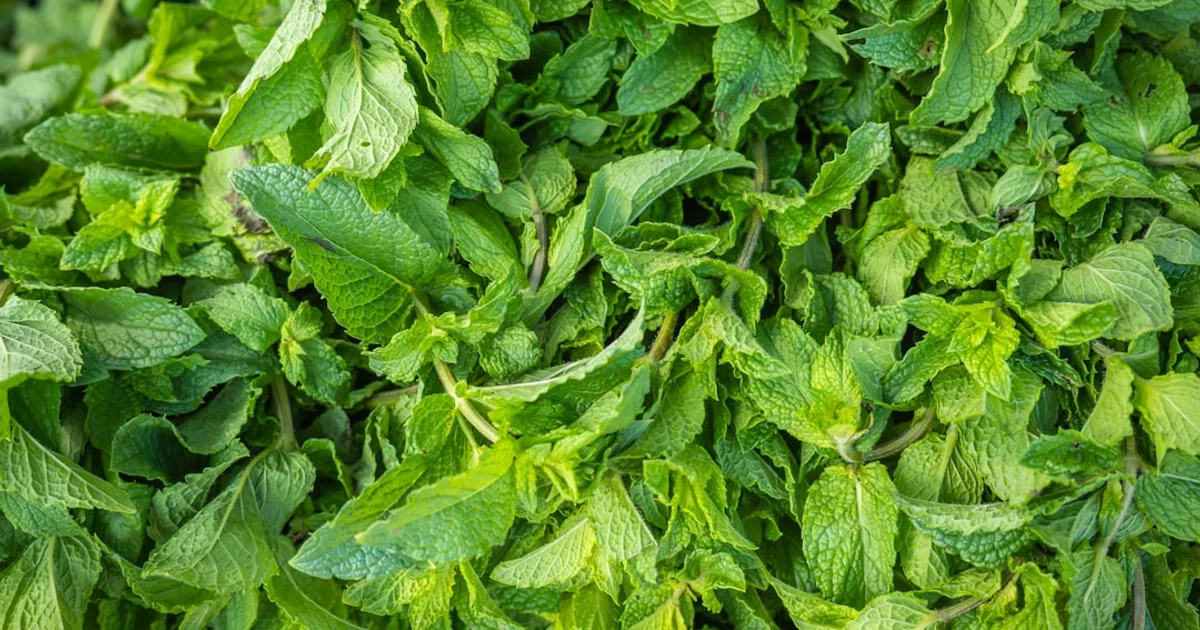
Spearmint (Mentha spicata) is the mint you actually want in your kitchen. Not because peppermint is inferior, but because they are built for different jobs, and most culinary applications - cocktails, salads, lamb dishes, fresh sauces - call for spearmint specifically. The distinction is chemical: spearmint contains roughly 0.5% menthol by weight; peppermint carries 40-55% (USDA GRIN Germplasm Resources Information Network, Mentha taxon records). That menthol differential is the entire flavor difference. Spearmint is food-forward and green. Peppermint is medicinal. Use peppermint in a mojito and you’ll get something that tastes like mouthwash.
Like all mints, spearmint is a perennial that spreads aggressively by underground stolons and will colonize a garden bed faster than almost any other herb you might plant. Container culture is not a suggestion. It is the standard practice for anyone who wants to keep it growing alongside other plants.
Species identity
Mentha spicata is the true species. Peppermint (M. x piperita) is a sterile hybrid - a cross between spearmint and watermint (M. aquatica) - which means peppermint cannot be grown reliably from seed. Spearmint can be grown from seed, though germination is variable; transplants or rooted divisions give you faster, more predictable results.
The two plants look similar: square stems, opposite leaves, faint purplish flower spikes in late summer. The difference is in the leaves. Spearmint leaves are more wrinkled and have a coarser texture than peppermint. Crush them and the scent is unmistakably sweeter and less sharp. If you’re not sure which you have, that crush test is the quickest answer.
A few named spearmint cultivars are worth knowing. ‘Kentucky Colonel’ is a standard selection with broad, ruffled leaves - commonly used for mint juleps. ‘Moroccan’ spearmint (M. spicata var. crispa) is the type used in North African cooking and Moroccan mint tea; the flavor is slightly spicier and more complex than standard spearmint. Either is appropriate for home growing. Avoid “spearmint” seed packets from anonymous sources - mint hybridizes easily and seeds from unlabeled sources produce inconsistent plants.
The retail case
Fresh cut spearmint at farmers markets runs $3-6 per ounce, or roughly $48-96 per pound, depending on region (USDA AMS Specialty Crop Market News retail herb price surveys). Dried spearmint retails at $12-20 per ounce at natural food stores and specialty spice retailers. For home growers, the fresh price is the relevant comparison.
One 12-inch container plant in good condition produces 4-8 ounces of cut leaf per harvest cycle. With 4-5 cycles per season, that’s 16-40 ounces of fresh spearmint per container - worth $48-240 at farmers market prices. Against a $3 seed packet or a $4-5 transplant, the return on input cost is high. The practical limit is demand: most households can absorb 1-2 containers before they run out of uses for fresh mint. After that, drying the surplus shifts value into shelf-stable dried herb, which extends the useful life of the harvest through winter.
The perennial nature compounds the economics. After year one, your input cost drops to water and occasional fertilizer. A single healthy container plant, divided and repotted every 2 years, is effectively self-sustaining at zero additional cost.
Culinary uses - and why the species matters
Spearmint shows up across a broad range of cuisines, and in nearly all of them, it is the only correct choice.
Cocktails. The mojito (spearmint, lime, rum, sugar, soda) and mint julep (spearmint, bourbon, sugar, crushed ice) both depend on spearmint’s mild, food-friendly character. The menthol in peppermint is so dominant that even small amounts overpower the other ingredients and make the drink taste like a cough drop. This is not a matter of preference - every classic recipe specifies spearmint, and with reason.
Middle Eastern cooking. Tabbouleh and fattoush both use fresh spearmint as a primary herb alongside parsley. The role is not garnish; it is flavor. Dried spearmint is used in Lebanese cooking in ways that peppermint simply cannot replicate - the flavor profile requires the sweeter, lower-menthol character. Moroccan mint tea is traditionally made with M. spicata var. crispa, not peppermint.
Indian cuisine. Mint raita (yogurt, cucumber, fresh mint) and green chutney both call for spearmint. The herb plays well against dairy because its flavor is bright without overwhelming the yogurt base.
Mediterranean. Tzatziki uses fresh mint or dill depending on region; the mint version uses spearmint. Lamb dishes across Greek, Turkish, and British traditions pair with spearmint specifically - the herb’s sweetness complements lamb fat in a way peppermint cannot, as the high menthol level would clash rather than complement.
Desserts. Mint chocolate and mint ice cream are the one category where peppermint has a legitimate claim, because the sharp menthol is part of the expected flavor. Fresh spearmint garnishes on desserts are decorative and mild. This is one context where knowing which mint you’re using matters - the applications are different.
Container culture - the non-negotiable part
All mints spread via underground stolons - horizontal runners that travel through soil and emerge as new plants 12-24 inches from the parent. In a garden bed, a single spearmint plant will produce a 4-foot-wide colony within two growing seasons if not controlled. Removing it requires digging out every piece of root, and any fragment left behind regrows.
Container growing solves this. Use a terra cotta or fabric pot, 12-16 inches in diameter. Terra cotta breathes and reduces the risk of root rot in mint’s high-moisture environment; fabric pots air-prune roots and prevent the dense rootbound mat that forms in plastic. Both are reasonable choices.
If you want spearmint near garden beds as a companion plant (more on this below), sink a container into the soil at rim level rather than planting directly into the bed. The container walls block stolons from escaping into the surrounding soil. Check the container once per season and cut back any runners that have jumped the rim.
Repot every two years when roots begin circling the container and production declines. At repotting, divide the root mass - discard the old woody center, keep the vigorous outer growth, and restart in fresh potting mix. A single plant becomes two or three at each division, giving you a steady supply of new containers to site elsewhere in the garden or share.
Starting from seed versus transplant
Spearmint can be started from seed, but there are real trade-offs. Mint seed germination is slow and uneven - expect 2-4 weeks at 65-70°F with inconsistent germination rates. Seed-grown plants show more variation in flavor than vegetatively propagated selections. If you’re starting from seed, use a reputable named cultivar source and start 8 weeks before your last frost date indoors under lights.
Transplants from a nursery - or rooted cuttings from a neighbor - are faster and give you a known flavor profile. Take cuttings from the tips of stems, 4-6 inches long, strip the lower leaves, and place in water until roots appear (usually 1-2 weeks). Pot up in well-draining mix and grow on for a few weeks before moving outdoors after last frost.
Either way, don’t direct-sow spearmint into a garden bed. The slow, uneven germination makes seedlings hard to establish against weed pressure, and you’ll be fighting runners before the plants are even mature.
Growing requirements
Soil pH 6.0-7.0. Spearmint is not particular about soil quality but benefits from moderate organic matter. Mix in 2 inches of compost before potting.
Water consistently and generously. Unlike Mediterranean herbs (rosemary, thyme, oregano) that prefer dry conditions, mint is native to moist habitats and tolerates wet soil that would rot other plants. In containers, check soil moisture every 1-2 days in summer. The goal is consistently moist, not saturated.
Fertilize lightly. As with basil and other aromatic herbs, heavy nitrogen produces lush growth but dilutes essential oil concentration, which means weaker flavor. A balanced slow-release fertilizer (10-10-10 or similar NPK) at the start of the season is sufficient. Don’t push nitrogen.
Spearmint is cold-hardy from USDA Hardiness Zones 3-11. It dies back to the roots in winter in cold climates and re-emerges in spring without intervention when planted in ground beds. Container plants need a bit more attention in cold zones.
Overwintering containers
In Zone 6 and warmer, container spearmint can stay outdoors through winter in a sheltered location. The tops die back; the roots survive. Alternatively, move containers to a sunny south-facing windowsill and the plant will continue producing through winter at a reduced rate - slower growth, same flavor.
In Zones 3-5, hard freezes can damage container roots more than in-ground roots because the pot walls do not provide the insulation that soil does. Options: bring containers indoors before the first hard freeze and overwinter on a sunny windowsill; or cut the plant back to 2 inches, apply 4-6 inches of mulch over the container, and move it to an unheated garage or shed where it stays cold but does not freeze solid. Check moisture once a month - containers in winter storage still need occasional water.
In spring, division is the right move. Cut the overwintered root mass apart with a sharp knife or hand pruners, select the most vigorous sections, and repot in fresh mix. New growth emerges within a few weeks.
Companion planting - the mechanism
Mint has a documented effect on certain pest insects. The aromatic volatile compounds in spearmint leaves - primarily carvone, limonene, and phellandrene - have been shown to deter aphids and disrupt the host-finding behavior of cabbage moths (Plutella xylostella) when the compounds are present in the surrounding air (Penn State Extension companion planting guide; confirmed in peer-reviewed literature in the Journal of Chemical Ecology).
The practical application is not to grow spearmint in the same bed as brassicas. The mechanism requires the aromatic compounds to be airborne near the target plants, which happens when spearmint is planted close by and foliage is disturbed by wind or harvesting. A sunken container placed at the edge of a brassica bed accomplishes this while containing the runners.
The same volatiles deter some aphid species from establishing on tomatoes, though the evidence for tomato companion planting is less specific than for brassicas.
What goes wrong
Mint rust (Puccinia menthae) appears as orange-yellow pustules on leaf undersides and distorted new growth. It’s the most common disease problem for all Mentha species. Remove infected material and dispose of it - do not compost. Increase airflow around plants. Rust can recur from overwintering spores; replacing the potting mix and starting from clean cuttings resets the problem.
Verticillium wilt (Verticillium dahliae) causes wilting and yellowing of stems that progresses and cannot be reversed. The pathogen persists in soil for years, which is another reason container culture is sensible - refresh the potting mix and you’re clear of it.
Spider mites (Tetranychus urticae) in hot, dry conditions. A forceful water spray knocks off most populations. Insecticidal soap handles heavier infestations. Mint’s need for consistent moisture means a well-watered plant is less hospitable to mites than a water-stressed one.
Powdery mildew (Erysiphe biocellaris) in crowded, humid conditions with poor airflow. Prune hard to open up the canopy, avoid overhead watering in the evening, and dispose of infected material.
Harvest and storage
Cut stems in the morning after dew dries. Harvest before flower buds open - once spearmint flowers, the essential oil concentration in leaves drops and the flavor flattens. If you see flower spikes forming, cut them off along with 4-6 inches of stem. This pushes the plant back into vegetative growth and maintains leaf quality.
Fresh stems keep upright in a glass of water at room temperature for 3-5 days, or wrapped in a damp paper towel and refrigerated for up to 2 weeks.
For drying, bundle stems and hang upside down in a warm, well-ventilated space away from direct light. Leaves dry in 1-2 weeks and are ready when they crumble easily between your fingers. Store in an airtight container away from heat and light; dried spearmint holds reasonable flavor for 6-12 months.
Freezing works for bulk harvests intended for cooked use or drinks. Spread clean dry leaves on a sheet and freeze, then transfer to a bag. Alternatively, blend with water and freeze in ice cube trays - convenient for adding directly to cocktails or sauces.
Related crops: Mint, Basil, Lemon Balm
Related reading: Companion Planting Basics - what the evidence actually says about common pairings, including mint’s claimed pest-deterrent effects
Growing Spearmint? Track your harvest value and break-even date in the Garden ROI app.
Get the App