
Oregano
Origanum vulgare
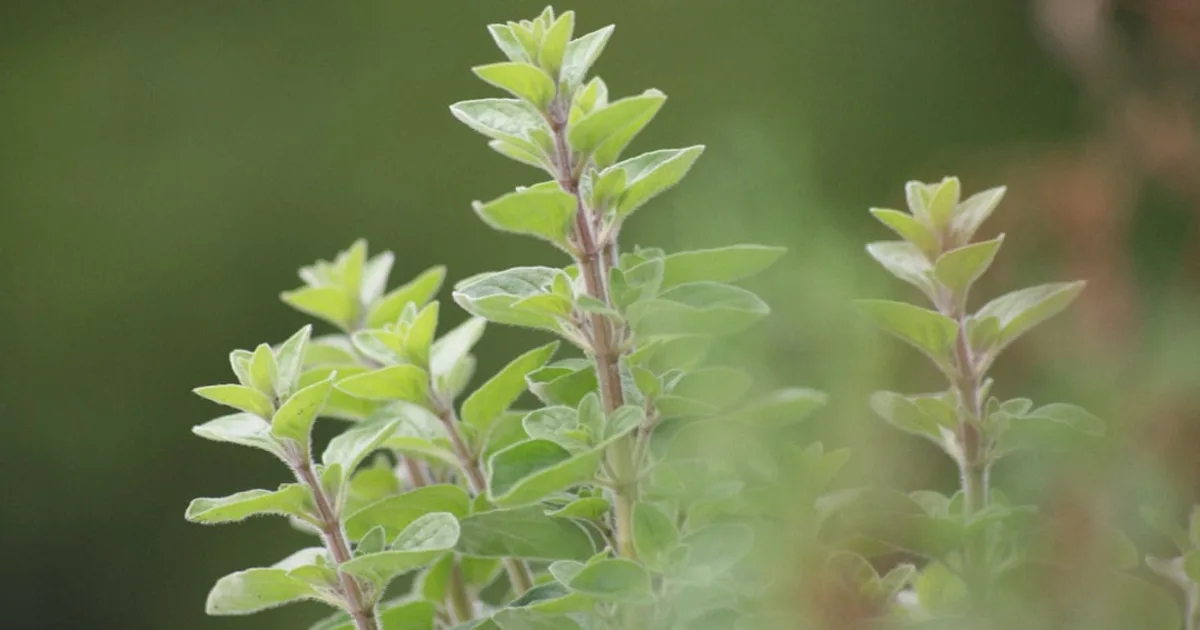
Oregano (Origanum vulgare) is the argument for planting perennial herbs over annuals. You plant it once, it comes back every spring in zones 5 through 10, and by year three it’s a substantial woody shrub you’re dividing and giving away. The input cost after the first season is essentially zero. Growing oregano from seed requires patience - it’s slow to germinate and slow to establish - but the long-term return on a $2.49 packet is hard to match.
What you’re actually growing
The species Origanum vulgare is native to the Mediterranean and contains several subspecies with different flavor profiles. The key distinction for culinary use:
Greek oregano (O. vulgare subsp. hirtum) is the strongly flavored type used in Mediterranean cooking - high in carvacrol and thymol, intensely aromatic, the one associated with pizza and pasta sauce. If you’re growing for culinary value, this is what you want.
Common or wild oregano (O. vulgare subsp. vulgare) is the type most often sold in generic seed packets labeled simply “oregano.” It has milder flavor and sometimes approaches marjoram in character. It’s fine for fresh use but has lower essential oil content.
Italian or sweet oregano is sometimes a hybrid between O. vulgare and sweet marjoram (O. majorana). It has mild, complex flavor and is preferred by some for fresh use.
If you buy transplants, crush a leaf before purchasing - if it’s pungent and almost spicy, you have a high-carvacrol type worth growing. If it smells mild and grassy, look elsewhere.
Mexican oregano (Lippia graveolens) is not an Origanum at all - it’s in the verbena family (Verbenaceae). It shares the name and some flavor overlap, but the plant is distinct: a semi-tropical woody shrub hardy only in Zone 9+ unless grown as an annual. Mexican oregano has a more citrusy, slightly earthier character with notes of citrus and mild pepper, and it’s the correct oregano for chili, mole, and Tex-Mex cooking. The flavor doesn’t translate to Greek cooking and vice versa.
| Cultivar | Carvacrol/thymol % | Flavor profile | Cold hardiness | Best use |
|---|---|---|---|---|
| Greek (O. vulgare subsp. hirtum) | 60-80% | Intensely spicy, bold | Zone 5 | Dried herb, pizza, tomato sauces, Greek cooking |
| Common/wild (O. vulgare subsp. vulgare) | 20-40% | Mild, slightly grassy | Zone 5 | Fresh use, mild applications |
| Italian/sweet (hybrid with O. majorana) | 15-30% | Mild, sweet, complex | Zone 6-7 | Fresh use, salads, delicate applications |
| Golden (O. vulgare ‘Aureum’) | 10-20% | Low flavor | Zone 5 | Primarily ornamental, edging |
| Mexican (Lippia graveolens) | Variable - citral/thymol | Citrusy, earthy, peppery | Zone 9+ (annual elsewhere) | Chili, mole, Tex-Mex - not interchangeable with Greek |
The carvacrol percentage is what matters for culinary performance. Greek oregano’s 60-80% carvacrol content is what gives it the sharp, almost antiseptic bite that holds up to tomato acidity and high-heat cooking. Common oregano at 20-40% is a different experience - not inferior, but milder. Most commercial dried oregano sold in the US is a blend or a common/wild type, not Greek, which is why fresh Greek oregano from the garden tastes more intense than the jar from the grocery store.
The ROI case
Dried oregano at retail runs $6.00-$14.00/oz at specialty retailers; even commodity dried oregano in supermarkets runs $2.00-$4.00/oz, which translates to $32.00-$64.00/lb (USDA AMS specialty spice price surveys). The conversion rate is roughly 4:1 fresh to dried by weight - 1 lb of fresh oregano yields approximately 0.25 lb dried. At $10.00/lb fresh equivalent, 0.5 lb of fresh production represents $5.00 in grocery value, but the dried value of that same harvest is roughly $12.00-$15.00.
The perennial math is what makes oregano notable. Year one: $2.49 seed cost, 80-90 day establishment, modest first-year harvest. Year two and beyond: $0 input, larger plant, heavier harvest. A well-managed Greek oregano plant reaches its productive peak in years two through five before a hard cutback or division refreshes it.
The 5-year scenario for one $2.49 seed packet (assume 3 plants reach maturity):
| Year | Harvest (fresh) | Value at $10/lb | Additional plants (free divisions) | Cumulative input cost |
|---|---|---|---|---|
| Year 1 | ~3 oz (0.19 lb) | ~$1.90 | 0 | $2.49 |
| Year 2 | ~8 oz (0.50 lb) | ~$5.00 | 3 (divide one clump) | $2.49 |
| Year 3 | ~12 oz (0.75 lb) per original plant | ~$7.50 | 3-6 more if desired | $2.49 |
| Year 4 | ~1 lb per plant, 3 plants | ~$30 | divide or maintain | $2.49 |
| Year 5 | ~1 lb per plant, 3 plants | ~$30 | divide or maintain | $2.49 |
Cumulative 5-year herb value: approximately $74. Total seed investment: $2.49. This calculation uses fresh herb value at USDA AMS specialty herb retail pricing; dried value would be roughly 3-4x higher per ounce. The plants in years 4 and 5 are the original planting plus any divisions you’ve chosen to keep. Divisions given away to neighbors or planted elsewhere represent additional value not captured in the table.
Growing requirements
Oregano germinates in 7-14 days at 65-70°F but requires light to germinate - press seeds onto the soil surface and don’t cover them. Germination is erratic; don’t thin aggressively until plants are an inch tall and you can assess which ones are vigorous.
Soil pH of 6.0-8.0. Oregano is native to thin, rocky, well-drained Mediterranean soils - it performs poorly in heavy clay or consistently moist conditions. Good drainage is more important than soil fertility. Overly rich soil produces lush, weak growth with reduced aromatic oil concentration; lean soil with good drainage gives you compact, highly aromatic plants (UC Cooperative Extension, Mediterranean Herbs, ANR Publication 8198, 2007).
Full sun, 6-8 hours minimum. In partial shade, the plant gets leggy, the flavor weakens, and it’s more susceptible to fungal disease.
Cut plants back to 2-3 inches in early spring before new growth begins. This prevents the center from becoming woody and unproductive and generates a season of new branching growth. In zones 5-6, mulch crowns lightly before the first hard frost to protect roots.
What goes wrong
Root rot (Phytophthora spp., Rhizoctonia spp.) is the most common problem, caused by consistently wet soil. Oregano does not tolerate wet feet. Raised beds with well-draining soil and no irrigation beyond what rain provides during summer is the ideal environment for established plants.
Aphids colonize new growth in spring. A hard water spray removes most colonies; insecticidal soap for persistent infestations. Oregano’s strong aromatic oils deter many insects, making heavy pest pressure relatively uncommon.
Leaf miners (Liriomyza trifolii and related species) make pale trails through leaves. Remove affected leaves and destroy them. Rarely severe enough to affect overall plant health.
Spider mites (Tetranychus urticae) appear in hot, dry conditions. Look for fine webbing on the undersides of leaves and stippling on upper surfaces. Overhead watering and neem oil applications manage populations.
Culinary applications
Greek and Italian oregano are not the same in the kitchen, and neither is interchangeable with Mexican oregano. Knowing which to use and when to add it matters.
Fresh vs dried: Oregano is one of a small group of herbs that is often better dried than fresh. The volatile oils - carvacrol, thymol, and their precursors - are more concentrated in dried oregano because drying removes water while largely preserving the oil content. A rough conversion: 1 tablespoon fresh = 1 teaspoon dried, which is a 3:1 ratio (less than the typical 4:1 fresh-to-dried ratio applied to more delicate herbs like basil or tarragon). For long-cooked applications like tomato sauce, braised lamb, or dried-bean dishes, dried Greek oregano is the better choice.
Heat timing: For sauces and braises, add dried oregano in the last 10-15 minutes of cooking. Added too early in a long simmer, the volatile compounds dissipate and you’re left with residual bitterness from the leaf matrix without the aromatic top notes. Pizza sauce is an exception - the short high-heat bake time means oregano added before baking survives long enough to matter. Tomato sauce for pasta: add in the last 5-10 minutes, taste, adjust.
Applications by type:
- Greek oregano, dried: pizza, tomato sauces, braised lamb and goat, Greek salad dressing (3 parts olive oil, 1 part red wine vinegar, 1 tsp dried Greek oregano, salt), marinades for grilled meats. The intensity holds up to strong flavors.
- Italian/common oregano, fresh: bruschetta, caprese variations, lighter pasta dishes, fresh herb blends where a full-flavored Greek oregano would be too dominant.
- Mexican oregano, dried: chili con carne (1-2 tsp per batch), mole (with cumin and chili), black bean soup, pozole. If a recipe specifies “Mexican oregano” and you substitute Greek, the dish will taste different - not wrong, but different. The citrus notes in Mexican oregano play a specific role in spiced dishes.
Oregano oil in olive oil: fresh oregano packed into olive oil is a popular preparation, but it’s a food safety concern that doesn’t get enough attention. Low-acid herbs (oregano, basil, garlic) suspended in oil create an anaerobic, low-acid environment where Clostridium botulinum can produce toxin at room temperature. The USDA and NCHFP guidelines state that herb-infused oils must be kept refrigerated and used within 1-2 weeks, or the herbs must be dry (not fresh). Commercial herb-infused oils are acidified or heat-processed. Dried oregano infused in oil at room temperature is the safer home preparation; fresh oregano in oil must stay refrigerated.
Harvest and storage
Harvest stems before the plant flowers for maximum aromatic oil content - carvacrol concentration peaks just before bloom (Piccaglia et al., Journal of Essential Oil Research, 1993). Once the plant flowers, flavor diminishes in the remaining foliage. Either harvest heavily before bloom or cut back the entire plant when you see flower buds forming, which will generate a second flush of aromatic growth.
Cut stems to about one-third of total plant height. Don’t cut into the woody base tissue - new growth emerges from the upper woody portion.
For drying, tie small bundles and hang upside down in a dry, ventilated space out of direct sun. Air drying at room temperature preserves more volatile oils than heat drying. Dried oregano is shelf-stable for 1-2 years in a sealed container.
Related crops: Tomato, Basil, Marjoram, Winter Savory, Summer Savory
Related reading: Companion Planting Basics - what the evidence actually says about common pairings; Perennial Garden Economy - perennial herbs that produce at zero replanting cost once established
Frequently Asked Questions
What is the difference between Greek and Italian oregano?
Greek oregano (Origanum vulgare subsp. hirtum) has stronger, more pungent flavor - the standard in Mediterranean cooking. Common Italian oregano (O. vulgare) is milder and more variable. Crush a leaf and smell it before buying a plant; flavor intensity varies widely even within the same labeled variety.
Is oregano a perennial?
Yes, in zones 5 to 10. Oregano dies back in winter and re-emerges in spring. Cut plants back to 2 to 3 inches in late fall to encourage vigorous regrowth. By year 3, one plant becomes a large woody shrub producing 0.5 lb or more of fresh herb per season at near-zero input cost.
How do I dry oregano?
Cut stems in the morning, bundle 4 to 6 stems together, and hang upside down in a warm, well-ventilated spot for 1 to 2 weeks. Once crisp, strip leaves from stems. Dried oregano keeps 1 to 2 years at full potency in an airtight container.
Growing Oregano? Track your harvest value and break-even date in the Garden ROI app.
Get the App