
Apple Mint
Mentha suaveolens
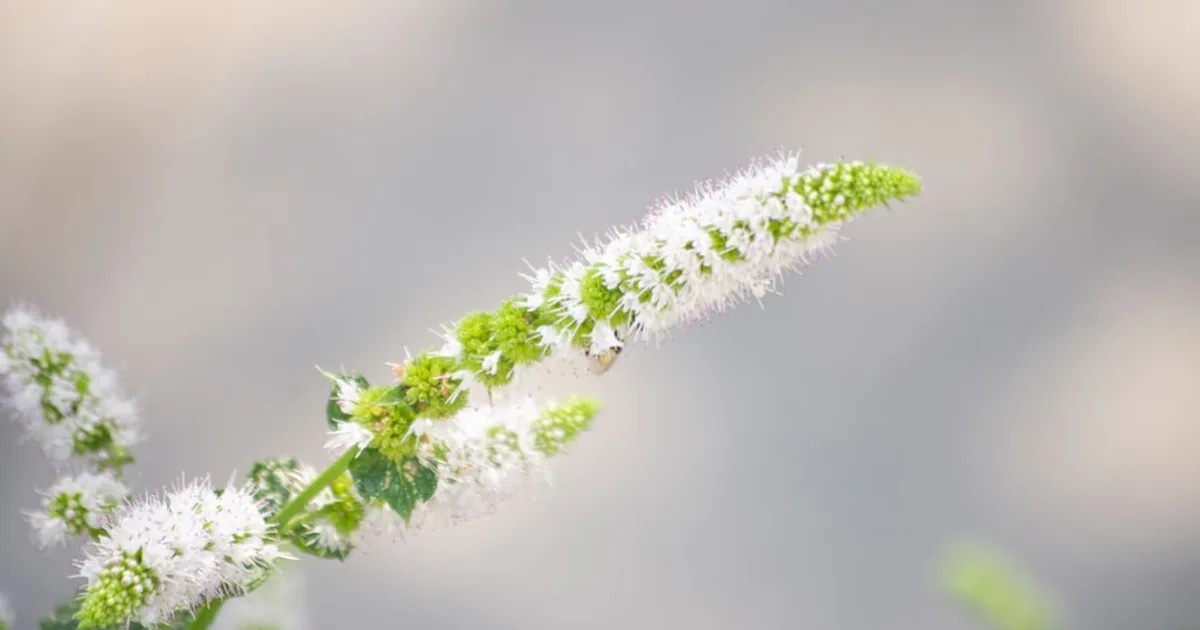
Apple mint (Mentha suaveolens) is the mint you reach for when you want mint flavor without menthol getting in the way. The leaves carry a light, fruity fragrance - part mint, part something that earns the “apple” in the name - and none of the sharp cooling punch that makes peppermint overwhelming in a fruit salad or a delicate herbal tea. If your cooking has ever called for mint and you’ve come back from the garden with a handful of peppermint that turned the dish medicinal, apple mint is the plant that prevents that problem.
Species identity
Mentha suaveolens is a true species in the mint family, not a hybrid. The species name means “sweetly scented” in Latin - an accurate description compared to the sharp menthol hit of M. × piperita. Common synonyms include roundleaf mint, a reference to the rounder, more oval leaf shape compared to the narrow, pointed leaves of spearmint, and woolly mint, which refers directly to the soft pubescence that covers the leaves and stems. Run your fingers across an apple mint leaf and you can feel it immediately: a slight fuzziness that distinguishes it from the smooth leaves of peppermint or spearmint. That texture is botanically diagnostic (USDA GRIN - Germplasm Resources Information Network, Mentha suaveolens taxon record).
The plant reaches 18-24 inches tall at maturity, somewhat stockier than peppermint, with pale lavender to white flower spikes in midsummer. Like all mints, it spreads by underground stolons and requires container management to prevent it from taking over a bed. Hardiness is excellent: USDA Zones 5-11, with some sources citing Zone 4 survival with adequate mulch (Missouri Botanical Garden Plant Finder, Mentha suaveolens).
Mint family comparison
Understanding where apple mint sits in the Mentha genus helps you use it correctly. The four species most relevant to home herb gardens differ primarily in menthol content - and menthol is the compound that determines how the mint performs in a given application.
| Species | Common name | Menthol content | Flavor profile | Primary uses | Hardiness zone |
|---|---|---|---|---|---|
| M. spicata | Spearmint | ~0.5% | Sweet, mild, bright | Chewing gum, cooked lamb, tabbouleh | 4-11 |
| M. × piperita | Peppermint | 40-55% | Sharp, cooling, medicinal | Tea, candy, essential oil | 3-7 |
| M. suaveolens | Apple mint | Trace amounts | Fruity, mild, soft | Garnish, fruit applications, fresh tea | 5-11 |
| M. pulegium | Pennyroyal | 80-92% | Intensely medicinal | Not culinary - toxic in concentrated form; not for food use | 6-9 |
Menthol percentages for M. spicata and M. × piperita from USDA ARS Essential Oil Crops Research Unit. Pennyroyal toxicity citation: McGuffin, M. et al., American Herbal Products Association’s Botanical Safety Handbook, 2nd ed., CRC Press, 2013. Pennyroyal essential oil has caused fatalities from liver failure when consumed in quantity; it has no place in culinary applications and is included in this table only to prevent confusion with edible mint species.
Apple mint’s trace menthol content means it delivers the aromatic quality that reads as “mint” to the palate without the numbing, cooling sensation that high-menthol species produce. In applications where that numbing quality is the point - peppermint tea, peppermint candy, after-dinner mints - apple mint is a poor substitute. In applications where herbal freshness is wanted but menthol would overpower the other flavors, apple mint is the better choice.
Culinary use
The applications where apple mint earns its place in a kitchen herb garden are specific.
Fruit salads and fresh fruit preparations benefit from apple mint more than any other culinary mint. Toss fresh melon, strawberries, or stone fruit with whole or torn apple mint leaves and the herb contributes a floral, cooling suggestion without competing with the fruit. Peppermint in the same application can make a fruit salad taste like it was assembled near a tube of toothpaste.
Herbed simple syrups for cocktails and mocktails. Steep a handful of apple mint in simple syrup (1:1 sugar to water, heated to dissolve) while it cools. The resulting syrup has a gentle mint quality that blends with other ingredients rather than dominating them. Peppermint syrup made the same way is sharp and specific in a way that narrows the applications. Apple mint syrup is versatile.
Fresh mojito garnish. The classic mojito uses spearmint (M. spicata) as the muddled base, but apple mint works well as a float garnish where its softer fragrance and attractive fuzzy leaves add visual and aromatic interest without muddling the drink’s flavor balance.
Mild herbal teas. A handful of fresh apple mint leaves steeped in just-off-the-boil water for 5 minutes produces a tea that is soft, slightly sweet, and easy to drink without any additional sweetener. It lacks the intensity of peppermint tea, which is precisely why it appeals to drinkers who find peppermint medicinal-tasting.
Traditional apple jelly and mint jelly. Apple mint is documented as the traditional flavoring agent for classic British mint jelly served alongside lamb - preferred over peppermint because the milder menthol allows the jelly to complement rather than overwhelm the meat’s flavor (Grieve, M., A Modern Herbal, 1931, Dover reprint 1971). The same logic applies to apple jelly: apple mint reinforces the apple character where peppermint would introduce a discordant medicinal note.
Mint sauce for lamb, the British condiment of finely chopped fresh mint in vinegar with sugar, traditionally uses garden mint or spearmint in American recipes. Many British culinary sources favor apple mint for this preparation specifically because its milder, rounder flavor produces a sauce that plays a supporting role rather than overtaking the lamb. The choice matters: a mint sauce made with peppermint is noticeably harsher and more astringent than one made with apple or spearmint.
Retail value and ROI
Fresh-cut apple mint sold at farmers markets sits in the same price range as specialty culinary herbs: $3-5/oz at most regional markets (consistent with USDA AMS Farmers Market fresh herb survey data, 2022-2023). At $48/lb ($3/oz), the frontmatter value is at the lower bound of this range and represents realistic pricing in a competitive market.
Dried apple mint for specialty tea commands a premium over the fresh price when sold in small quantities. Dried culinary mint at natural food retailers and online specialty sources runs $10-18/oz depending on origin and certification (spot prices from Mountain Rose Herbs and Frontier Co-op catalog pricing, 2024). The dried-to-fresh ratio for mint is approximately 4:1 by weight - 4 oz of fresh leaves yields roughly 1 oz dried.
Container yield vs. in-ground yield: A single well-managed 12-inch container of apple mint in a full growing season in Zones 5-7 will produce 4-6 cutting cycles, with each cycle yielding 2-4 oz fresh from a well-established plant. Total fresh yield: 8-24 oz (0.5-1.5 lb) per container per season. A large container (16-inch) or a vigorous second-year plant pushes toward the upper range. The avg_yield_lb: 1.5 in this entry represents a productive established plant at the high end of container yield - achievable, not guaranteed from a first-year transplant.
At $3/oz and 12 oz harvested from one container: $36 in market value from a $3 initial investment. In year two and beyond, the investment is zero.
The container limitation is real: apple mint in the ground at garden scale would yield more, but the stolon-spreading behavior makes in-ground production practical only for growers who want to dedicate a section of their property to a mint bed and manage the borders aggressively.
Growing requirements
Apple mint tolerates conditions that spearmint and peppermint do not. This is one of its genuine advantages over the more popular mint species for gardeners with challenging sites.
Shade tolerance. Apple mint grows productively in 4-6 hours of direct sun per day, and it tolerates dappled light under deciduous trees better than either peppermint or spearmint. The shade tolerance makes it useful in spots that would be too dark for most culinary herbs - the north side of a fence, under a garden tree in the afternoon. Flavor intensity is higher in full sun, as with all aromatic herbs, because more light drives higher essential oil production. But apple mint in partial shade is more useful than peppermint in partial shade, because peppermint’s menthol content drops noticeably in low-light conditions.
Moisture. Apple mint tolerates wet soil conditions better than most mints and certainly better than most herbs. It will grow in spots with imperfect drainage that would kill thyme, rosemary, or lavender. This does not mean it should be kept waterlogged - consistent moisture is what it prefers, not standing water. But if you have a low spot in the garden that stays damp, apple mint handles it.
Soil. pH 6.0-7.0, same as the Mentha genus generally. Rich, moisture-retentive soil with good compost content supports the best growth. Apple mint is not fussy about soil quality - it performs adequately in average garden soil and improves with amendments.
Propagation. Apple mint does not reliably produce seed true to type, and most commercial sources are vegetative propagations. Start from transplants or rooted cuttings. A 4-inch cutting placed in water roots in 7-10 days. Alternatively, divide an established container plant by pulling apart the root mass into sections, each with several stems and a portion of root, and pot each division separately.
Container culture. The stolon-spreading behavior of apple mint is identical to peppermint and spearmint - aggressive, effective, and a problem in any open bed. Container management is required. A 12-16 inch pot with quality potting mix and drainage holes gives the plant adequate root volume. Repot or divide every two to three years when the roots crowd the container.
What goes wrong
Mint rust (Puccinia menthae) is the primary disease concern across Mentha species, and apple mint is susceptible. Orange-yellow spore pustules on leaf undersides are the signature. The fungus overwinters in infected tissue; removing affected stems and improving airflow reduces spread. Overhead watering in the evening creates conditions that favor germination of fungal spores - water at the base of plants, or water in the morning so foliage dries before nightfall.
Aphids and spider mites (Tetranychus urticae) are the main insect pressures. Apple mint’s fuzzy leaves make it somewhat less attractive to certain insects - the leaf pubescence is a mild physical deterrent, not a reliable barrier. Check leaf undersides during hot, dry stretches. A hard water spray removes mite populations; insecticidal soap handles heavier infestations.
Verticillium wilt (Verticillium dahliae) is a soilborne fungal pathogen that persists in soil for years. Symptoms are progressive: individual stems wilt and yellow while the rest of the plant looks healthy initially, then the wilt spreads. There’s no treatment - remove and dispose of infected plants, and don’t replant susceptible species in that location. Container growing sidesteps this issue because you can replace contaminated potting mix.
Stolon escape. If you set a container on bare soil, stolons will exit through the drainage holes and establish in the surrounding ground. Set containers on a hard surface, or use pot feet to maintain a gap and inspect periodically. Once apple mint stolons establish in a mixed bed, removal is tedious - each small root fragment left in the soil can regenerate.
Harvest and use
Cut stems in the morning after dew dries. Essential oil content in mint is highest in the morning hours before heat and light begin volatilizing it off the leaf surface. Cut stems back to 3-4 inches above the crown to encourage branching and delay flowering. Once flower spikes appear, essential oil content in the leaves drops - keep them pinched off to maintain productive vegetative growth.
Fresh leaves used immediately are at their best for garnish and raw applications. For cooked preparations like syrups or jelly, the fuzzy texture of apple mint leaves is less of an issue since you’re steeping and straining rather than eating the leaf whole.
For drying, hang bunches upside down in a warm, ventilated location away from direct light. Apple mint leaves are adequately dry when they crumble easily off the stem - usually 7-10 days depending on humidity. Store in airtight jars; dried mint holds reasonable flavor for 12-18 months.
For freezing: blanch stems briefly, spread on a sheet pan to freeze, then transfer to bags. Alternatively, blend fresh leaves with a small amount of water and freeze in ice cube trays - useful for dropping into summer drinks or blending into sauces without dealing with frozen clumps of herb.
Related crops: Peppermint, Basil, Tomato
Related reading: Companion Planting Basics - what the evidence actually says about common pairings, including mint family deterrent claims
Growing Apple Mint? Track your harvest value and break-even date in the Garden ROI app.
Get the App