
Celery
Apium graveolens
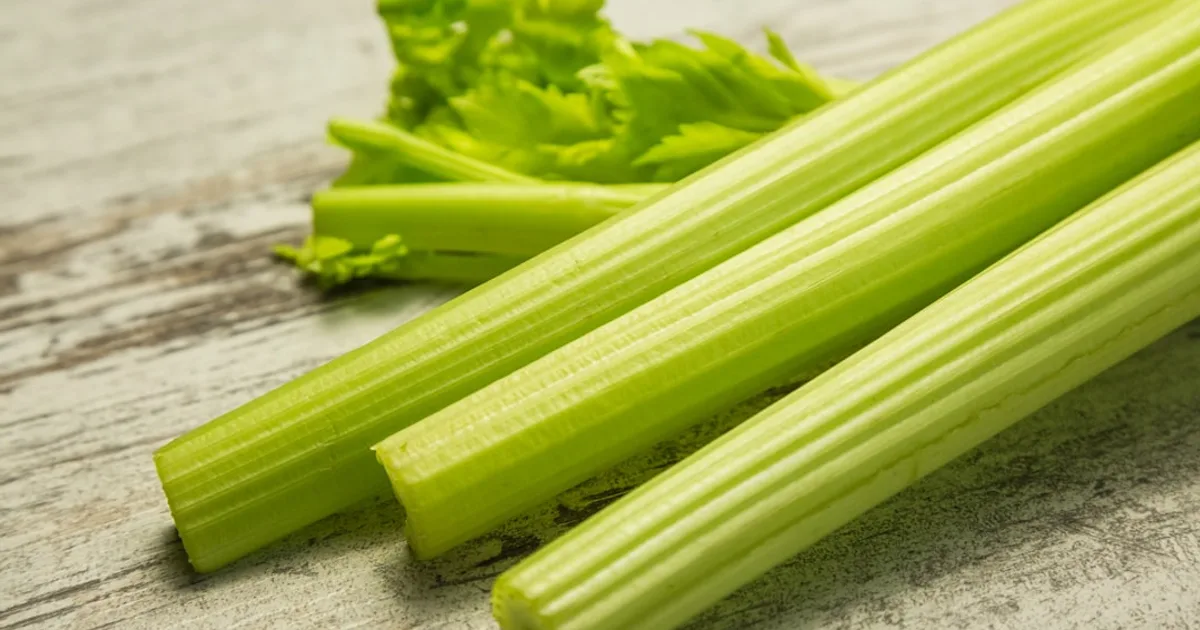
Celery (Apium graveolens) is the most technically demanding common vegetable in the home garden. Not in a romantic, challenging-but-rewarding way. In a difficult, many-things-can-go-wrong way. The crop wants a narrow temperature window, more water than almost anything else you can grow, a long season that doesn’t fit neatly into most climates, and consistent soil fertility to avoid hollow or pithy stalks. If you’ve been gardening for years and want to test your setup’s limits, celery will do it.
Before you commit to stalk celery, know that there is an easier version of this crop. Leaf celery - also called cutting celery - gives you the same deep celery flavor for soups and stocks from a plant that tolerates the conditions that destroy stalk celery. If your watering is inconsistent or your summers get hot before you want them to, leaf celery is not a consolation prize. For most home gardeners, it’s the right choice. The distinction matters and gets its own section below.
The honest ROI case
A $2.49 packet of celery seed contains 200-500 seeds (Cornell Cooperative Extension, Celery Production, 2022). Germination is slow and light-dependent - you’ll surface-sow 20-30 seeds to transplant 4-6 healthy plants. At 10-15 stalks per plant forming one marketable bunch, and grocery store celery running $3.00-$4.00 per bunch in most markets (USDA AMS Specialty Crop Market News, 2024, approximately $3.50/lb equivalent), the math for a successful packet works out like this:
| Scenario | Plants from packet | Bunches | Retail value @ $3.50/lb | Net after seed cost |
|---|---|---|---|---|
| Low end | 4 plants | 4 bunches | ~$14.00 | $11.51 |
| High end | 6 plants | 6 bunches | ~$21.00 | $18.51 |
Those numbers look reasonable - but they assume every plant reaches full harvest. Celery’s problem is that its failure mode is total. A week of missed watering during stalk development doesn’t give you smaller celery. It gives you stringy, pithy, hollow-hearted stalks that are unpleasant to eat and not worth preserving. One bad week in August can wipe out a planting that was healthy in June.
The real ROI case for home-grown celery isn’t the cost math - it’s the flavor difference. Commercial celery is grown fast, with heavy irrigation and synthetic nitrogen pushed to maximize water content and stalk size. The result is a mild, watery product designed for crunch in salads rather than flavor depth. Home-grown celery has a more concentrated profile because the phthalides - the group of compounds responsible for celery’s characteristic flavor - accumulate more in slower-grown, less water-bloated stalks. You’ll notice it immediately when you cook with it. That difference is real and documented (Yates et al., HortScience, 1990).
Grow celery at home because you want that flavor difference. The financial return is modest. The quality return is not.
Watering: this is the constraint
Every cultivation detail matters in celery production, but watering is the one that ends plantings. Celery needs 1.5-2 inches of water per week, delivered consistently, without gaps (Penn State Extension, Celery for the Home Garden, 2021). This is not a guideline. It’s the defining constraint of the crop.
The reason is celery’s root system. Unlike tomatoes or squash that run deep taproots to find moisture, celery has a shallow, fibrous root system concentrated in the top 6-8 inches of soil. When that zone dries out, the plant shows stress within 24-48 hours. Stalks that experience moisture stress develop pith - a spongy, hollow, often bitter central tissue that ruins the texture. Once pith sets in a stalk, it doesn’t recover. You can re-water the plant and the new growth may be fine, but the affected stalk is done.
A single week of drought stress during the active stalk development phase - roughly the 30-60 days before harvest - is enough to ruin the crop. Not damage it. Ruin it.
Drip irrigation is the correct delivery method. It keeps the root zone consistently moist, avoids wetting foliage (which promotes Septoria leaf blight), and lets you set a timer so the question of “did I water this week?” is answered automatically. Hand watering works if you’re consistent about it. Overhead sprinklers are the worst option - they wet leaves, encourage disease, and deliver uneven moisture.
If you cannot water consistently - travel, dry summers without a reliable drip system, a garden that relies on rainfall - don’t grow stalk celery. Grow celeriac (A. graveolens var. rapaceum) instead. Celeriac is the same species, grown for a swollen, knobby root rather than stalks. It tolerates moderate moisture stress far better than stalk celery, and delivers a similar intense flavor that stores for months in a root cellar. Or grow leaf celery, described below.
Leaf celery: the right choice for most gardens
Leaf celery (A. graveolens var. secalinum) - also sold as cutting celery or seasoning celery - produces slender stalks and dense, intensely flavored leaves rather than the thick bunching stalks of Pascal types. The flavor is even more concentrated than stalk celery. The plant itself is much easier to grow.
Leaf celery tolerates drought stress that would destroy stalk celery. It doesn’t need blanching. It doesn’t require the same long cool season. You can grow it much like flat-leaf parsley - sow it, keep it reasonably watered, cut what you need as you need it. The leaves and thin stalks work in soups, stocks, stuffing, sauces, and anywhere you’d use celery as a flavoring agent rather than a vegetable on its own.
For home gardeners who want celery flavor in their cooking without a demanding technical commitment, leaf celery delivers more value per square foot and per hour of effort than stalk celery does. It’s not a lesser crop - it’s a different one that’s better suited to home garden conditions.
Recommended leaf celery varieties: Dinant (75 days, productive, heat-tolerant) and Par-Cel (an old French variety with curled leaves, mild and productive). Both are available from specialty seed houses.
Stalk celery varieties
If you’ve decided stalk celery is worth the effort, variety selection matters. Self-blanching types are easier to manage because they produce naturally pale, mild stalks without the traditional blanching technique of excluding light from the lower plant.
| Variety | Type | Days to Maturity | Notes |
|---|---|---|---|
| Tall Utah 52-70 | Pascal (stalk) | 105 days | Standard commercial type; thick crisp stalks; benefits from blanching for best flavor |
| Ventura | Self-blanching | 80 days | AAS winner; faster than most stalk types; good flavor without trenching; recommended for home gardens |
| Golden Self-Blanching | Self-blanching (heirloom) | 85 days | Naturally pale yellow-green; mild flavor; smaller stalks than Pascal types |
| Dinant | Leaf celery | 75 days | Grown for leaves and thin stalks; drought-tolerant; easy; best for culinary use |
Ventura is the sensible starting point for a first attempt at stalk celery. It matures faster than Tall Utah - a real advantage if your cool season is short - and produces good flavor without requiring the trench blanching technique.
Trench blanching for traditional stalk celery
Blanching - excluding light from the developing stalks - reduces chlorophyll development in the lower plant and produces the pale, mild-flavored stalks associated with high-quality celery. Commercial operations use paper collars. The traditional home garden method is the trench system.
Dig a trench 6 inches deep and 12 inches wide. Plant transplants at the bottom of the trench, spacing them 8-10 inches apart. As plants grow, gradually fill in soil against the outside of the stalks, keeping the growing tip and leaves above soil level. Each time you hill soil, you block light from the lower stalk section. By harvest, the lower 8-10 inches of each stalk is pale and mild, with more intense flavor reserved for the upper, light-exposed section.
The trench method requires decent soil drainage - water pooling in a trench invites crown rot. It also requires reasonably consistent earthing-up, done every 10-14 days once plants reach 8 inches tall. Don’t bury the heart of the plant; always keep the central growing tip fully exposed.
If trench digging sounds like more work than you want to do, choose a self-blanching variety and skip it. The self-blanching types won’t produce the traditional pale-white stalks of a properly blanched Pascal, but they’re mild and good without the labor.
Starting seed and transplanting
Start seeds indoors 10-12 weeks before your transplant date - which is typically 2-3 weeks before your last frost, when soil temperatures are consistently above 50°F (UC Cooperative Extension, Celery, Vegetable Research and Information Center).
Surface-sow seeds - press them lightly into moistened growing medium without covering. Celery seed needs light to germinate. Keep the surface consistently moist and the flat at 70-75°F. Expect germination in 14-21 days. It’s slow and uneven; don’t give up before three weeks.
Harden off transplants over 7-10 days before setting them out. Celery transplants are more cold-sensitive than their mature counterparts - a frost that an established plant might survive can kill a freshly set-out transplant. Space 8-12 inches apart in rows 18 inches apart. Crowding reduces air circulation and increases Septoria pressure without proportionally increasing yield.
Work 3-4 inches of compost into beds before planting. Celery is a heavy feeder with specific sensitivity to boron deficiency, which causes stalks to crack and develop brown internal tissue. Apply a balanced fertilizer with micronutrients at transplant time, and side-dress with nitrogen every 4-5 weeks during the season. If your soil is sandy and drains fast, amend aggressively - celery wants moisture-retentive, loamy soil with a pH of 5.8-6.8.
Temperature and season planning
Celery grows best at 60-70°F. It tolerates light frost and brief temperatures down to 28°F - and cold exposure can actually improve flavor. What it won’t tolerate is extended heat. Temperatures above 75°F for more than a few days trigger bolting: the plant throws up a central seed stalk, outer stalks toughen, and the harvest window closes.
In most of the continental US, celery is a spring or fall crop. For spring, count back 10-12 weeks from when summer heat arrives in your area. For fall (relevant in zones 7-10), count forward 10-12 weeks from when nights reliably cool below 65°F. In zone 6 and colder, fall celery is rarely feasible unless you’re pushing it under row cover into October.
The narrow season window is one of the reasons celery is hard in most US gardens. You’re threading a needle between late spring frosts and summer heat. In the Pacific Northwest and coastal California - where summers stay mild - celery performs better than in the Midwest or Southeast.
What goes wrong
Septoria leaf blight (Septoria apiicola) is the most common celery disease. Small pale tan spots with yellow margins spread in wet conditions from lower leaves upward, reducing the functional leaf area and weakening plants. Avoid overhead irrigation. Copper-based fungicides applied preventively help. Remove heavily infected leaves immediately - they’re the primary inoculum source.
Cercospora early blight (Cercospora apii) causes round, tan lesions with darker margins. Similar management to Septoria.
Boron deficiency is the most common nutritional problem: cracked stalks, brown discoloration inside, misshapen new growth. Apply 1 tablespoon of borax dissolved in water per 100 square feet of bed. Don’t over-apply - the margin between boron deficiency and boron toxicity is narrow.
Tarnished plant bug (Lygus lineolaris) pierces developing stalks and injects saliva that causes brown streaking and distorted growth. Row covers protect transplants early in the season. There are no reliable organic controls for established infestations beyond removal.
Bolting happens when plants experience extended temperatures above 75°F. Once a plant bolts, the outer stalks toughen and become inedible. There’s no recovery. Harvest what you can and pull the plant.
Harvest and storage
Begin cutting outer stalks once the plant is at least 12 inches tall and individual stalks are 1/2 inch or more in diameter. Cut from the outside inward, leaving the center intact to continue producing. The harvest window is long - 8-10 weeks of outer stalk cutting is achievable if temperatures stay cool.
Full-head harvest is appropriate when the plant reaches maximum size or when temperatures signal the end of the cool season. Cut at the base.
Celery holds in the refrigerator 2-3 weeks. Wrap the entire head in aluminum foil rather than plastic bags, which trap ethylene and accelerate softening. Stalks with cut ends placed in a glass of water in the refrigerator stay crisper longer. Blanched celery freezes well for cooking but loses its raw texture entirely - freeze it only if you’re cooking it later.
Related reading: Companion Planting Basics - what evidence supports about allium-brassica and umbelliferae pairings
Frequently Asked Questions
Why is celery difficult to grow at home?
Celery requires consistent heavy watering (1.5 to 2 inches/week), a narrow temperature window (60 to 70 degrees), and a long season of 85 to 120 days. Moisture stress at any point causes hollow, pithy, or bitter stalks. It is the most technically demanding common vegetable for most home setups.
What does blanching celery mean?
Blanching celery blocks sunlight to the stalks for the final 2 to 3 weeks before harvest by mounding soil, wrapping cardboard, or using a collar around the base. This reduces bitterness and lightens the color. Self-blanching varieties (Tall Utah, Golden Self-Blanching) require less intervention.
Is leaf celery easier to grow than stalk celery?
Yes. Leaf celery (cutting celery) tolerates inconsistent moisture, warmer temperatures, and shorter seasons. It delivers the same deep celery flavor for soups and stocks from a plant grown much like an herb. For most home gardeners it is the practical choice over demanding stalk celery.
Growing Celery? Track your harvest value and break-even date in the Garden ROI app.
Get the App