
Lemon Balm
Melissa officinalis
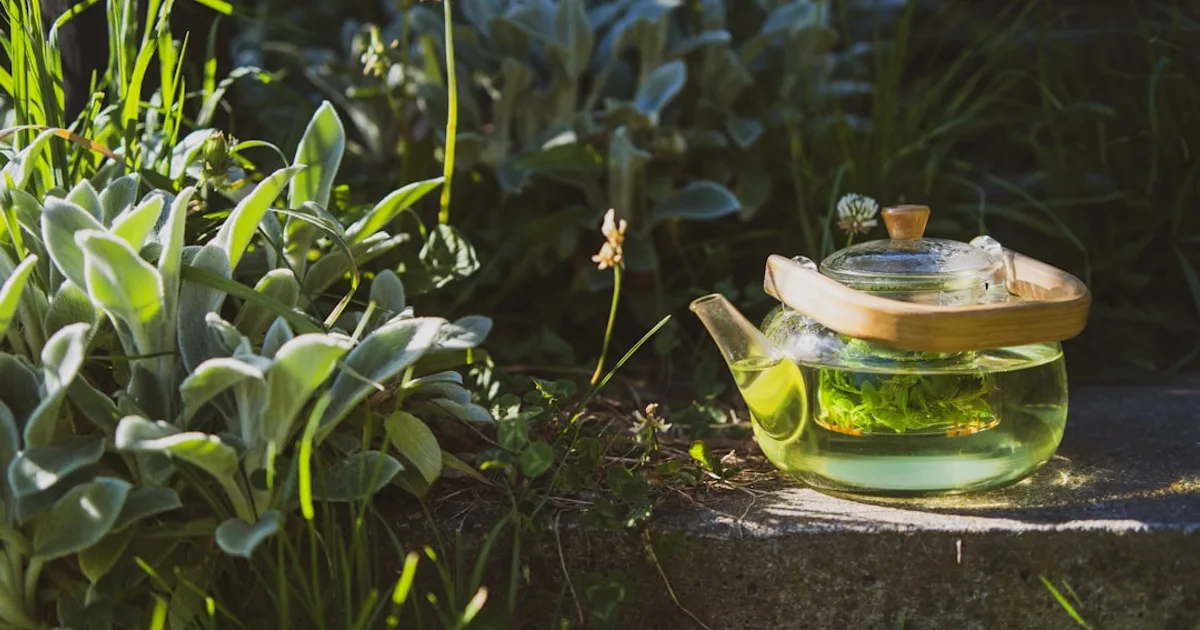
Lemon balm (Melissa officinalis) costs $2.49-3.99 for a seed packet or a small transplant. In year two, once the plant is established and you start harvesting seriously, you can pull 0.5 to 1 pound of dried herb from a 4-square-foot planting. Dried lemon balm sells for $15-25 per pound at specialty herb retailers and natural food stores (USDA AMS Specialty Crop Market News, 2024). That’s $7.50 to $25 of value from a plant you paid less than four dollars for - and one that comes back every spring without replanting.
The complication is that lemon balm spreads. Aggressively. It sends out underground rhizomes the way mint does, plus it self-seeds freely once it flowers. An unmanaged planting can colonize an entire raised bed in two to three seasons. This is the most important decision you’ll make about this plant before you put it in the ground: where it goes and how you’ll contain it. Get that wrong and you’ll spend more time pulling volunteer seedlings than harvesting anything useful.
What You’re Actually Growing
M. officinalis is in the Lamiaceae family - the mint family - alongside basil, oregano, and thyme. Leaves are heart-shaped, crinkled, and bright green, running roughly 1-3 inches long on square stems. Crushed leaves release a clean lemon-citrus scent from the volatile compounds citronellal, geraniol, and citral. The flavor in tea or cooking is mild and lemony with a slight herbal undertone. It’s softer than lemon zest, without the bitterness, and different from lemon verbena (Aloysia citrodora), which has a sharper, more concentrated lemon profile.
Standard M. officinalis is available from nearly any seed supplier and is the right choice for most kitchen uses. The cultivar ‘Aurea’ has gold-variegated leaves and grows somewhat less vigorously, which is useful if you want a contained ornamental but reduces yield. ‘Quedlinburger Niederliegende’ is a German selection bred for higher essential oil content - relevant if you’re growing for concentrated dried herb production, less relevant if you’re making occasional tea.
The Containment Decision
This is not a footnote or an afterthought. Before you plant lemon balm, decide which of three approaches you’ll use. Each one has real trade-offs.
Option 1: Buried container. Cut the bottom out of a 5-gallon plastic pot and sink it to the rim in your garden bed. Plant lemon balm inside it. The buried rim blocks rhizome spread underground; the container lip above soil level reminds you where the boundary is. This is the most effective method for keeping lemon balm in a defined spot inside a larger bed. The limitation is that the restricted root zone eventually leads to crowding - you’ll want to lift, divide, and replant every 2-3 years.
Option 2: Above-ground container. A 5-gallon or larger container on a patio, deck, or gravel area. Completely eliminates spreading. The trade-off is watering frequency - containers dry out faster than in-ground beds, and lemon balm will wilt visibly in a dry container during hot weather. In zones 4-5 where temperatures drop below -10°F, you’ll need to move the container to a sheltered location or unheated garage for winter. Above-ground containers are the right choice if you want no spread risk at all.
Option 3: Dedicated bed with managed expansion. Plant lemon balm in a corner or isolated bed where you don’t mind it spreading. Mow or cut the edges in fall to prevent rhizomes from advancing further. Deadhead flowers before seed sets to reduce volunteer seedlings. This works fine if you have the space and the tolerance for a gradually expanding patch. It fails if you plant it next to other herbs you care about.
Most gardeners who have grown lemon balm for more than two seasons end up moving it into a container after the first year of watching it spread. Deciding this upfront saves you that work.
The Active Compound and When to Harvest
Lemon balm’s primary bioactive compound is rosmarinic acid, a hydroxycinnamic acid derivative also found in rosemary, sage, and other Lamiaceae members. Research documented in HerbalGram - the peer-reviewed journal of the American Botanical Council - has identified rosmarinic acid as responsible for lemon balm’s mildly calming and antiviral properties observed in vitro, though clinical evidence in humans remains limited (Scholey et al., American Botanical Council, HerbalGram Issue 81). The concentration of rosmarinic acid in lemon balm leaves peaks just before flowering, when the plant is putting maximum energy into leaf production and hasn’t yet redirected resources into seed set.
In practical terms: harvest when you see the first flower buds forming but before they open. At that stage, rosmarinic acid and the volatile compounds responsible for lemon scent are both at peak concentration. After flowering, rosmarinic acid content drops and the leaves become slightly coarser. If you’re growing primarily for culinary use, the timing matters less - but if you’re drying herb for medicinal tea, harvest at bud stage.
You can force the plant back into vegetative growth by cutting it hard (to 4-6 inches above soil) once buds appear. This resets the cycle and gives you a second pre-flower harvest window later in the season.
ROI Math: Dried Herb Value
Here’s the specific calculation. These numbers use a conservative 4-square-foot in-ground planting in year two or later:
| Input | Low estimate | High estimate |
|---|---|---|
| Fresh yield per season (3-4 cuttings) | 1.5 lb | 3 lb |
| Drying ratio (fresh-to-dry) | 5:1 | 4:1 |
| Dried yield | 0.30 lb | 0.75 lb |
| Retail price, dried lemon balm | $15/lb | $25/lb |
| Gross value | $4.50 | $18.75 |
| Seed/plant cost (year 1 only) | $2.99 | $3.99 |
| Year 2+ input cost | $0 | $0 |
At the midpoints - 0.5 lb dried, $20/lb retail - a 4-square-foot planting produces approximately $10 of dried herb per season. That number looks modest until you account for the fact that the planting is essentially free after year one. Over five years, the same 4-square-foot plot yields $40-90 of dried herb with no additional seed or plant investment, assuming you divide and replant as needed to keep the plants productive.
Fresh bunches at farmers markets bring $4-8 per bunch depending on region, with a bunch typically weighing 2-4 ounces. If you’re selling fresh rather than drying, yield math shifts: you’re moving more volume with less processing time, but fresh herb is perishable and harder to move in large quantities unless you have a reliable buyer.
The realistic number for a home garden: lemon balm doesn’t generate meaningful cash income from a small planting. What it does is replace herb purchases. A 0.25-oz retail package of dried lemon balm at a natural food store costs $3-5. A productive 4-square-foot planting produces the equivalent of 10-20 of those packages per season.
Propagation Cost After Year One
An established lemon balm plant divides readily every spring. Dig the root crown in early spring before significant new growth, split it into sections with a sharp spade or knife, and replant. Each division re-establishes quickly. The propagation cost from year two onward is zero - labor only.
This changes the long-term math considerably. If you want to scale up production - say, from 4 square feet to 16 square feet - you don’t buy more plants. You divide what you have in spring, pot up the divisions, grow them on for 6-8 weeks, and transplant. The per-plant cost in year three is a few minutes of time.
Self-seeding also provides free plants, though seedlings from self-sown seed often appear in inconvenient locations. Transplant them while small if they’re in a useful spot; pull them if they’re not. Lemon balm seedlings are easy to identify by the lemon scent when leaves are crushed.
Growing Requirements
Start seeds indoors 8-10 weeks before last frost. Lemon balm germinates slowly and inconsistently at 65-75°F - expect 14-28 days. Surface-sow or barely cover seeds with vermiculite; the seeds need light to germinate. Seedlings are small at first and grow slowly until soil temperatures warm. Don’t rush transplanting outdoors; wait until after last frost and until soil is consistently above 55°F.
Transplants purchased from a nursery or garden center give you a month or more head start on the first season’s harvest. For a single plant, the cost difference between a $2.99 seed packet and a $3.99 transplant is trivial. Buy the transplant if you want a harvest in year one.
Soil pH 6.0-7.5. Lemon balm tolerates poor, dry soils but grows more vigorously with moderate fertility. Two inches of compost worked in before planting is sufficient. Avoid high-nitrogen fertilizer; it pushes lush vegetative growth but reduces essential oil and rosmarinic acid concentration.
Full sun produces the highest essential oil content and most concentrated leaf flavor. Partial shade (4-6 hours of direct sun) is acceptable and useful in climates with hot, dry summers where afternoon sun stresses the plant. In USDA hardiness zones 4-9, lemon balm is reliably perennial. The roots survive temperatures well below 0°F; the top growth dies back and regrows from the crown in spring.
Water consistently in the first growing season while roots establish. After that, lemon balm handles drought better than most herbs. In containers, water when the top inch of soil is dry - don’t let containers dry out completely, but don’t keep them waterlogged either.
Culinary and Beverage Uses
The volatile compounds responsible for lemon balm’s scent - geraniol, citral, and citronellal - dissipate quickly with heat. This is the single most practical thing to know about cooking with it: add lemon balm fresh and last, or infuse it cold. Simmering it in a sauce destroys the flavor you’re trying to use.
Lemon balm tea: The most straightforward use. Pour just-below-boiling water (195-200°F) over fresh or dried leaves; steep 5-7 minutes, covered. Covering retains the volatile compounds that would otherwise steam off. Fresh leaves make a brighter tea; dried leaves are more convenient and store well.
Compound butter: Blend finely chopped fresh lemon balm leaves into softened butter with a small amount of lemon zest. Works on fish, vegetables, or bread. The fat in the butter carries and stabilizes some of the volatile compounds, so this holds its flavor better than heat-added applications.
Herb vinegar: Pack a jar with fresh lemon balm leaves, cover with white wine vinegar or apple cider vinegar, and steep 2-4 weeks. The acidic cold extraction pulls flavor compounds without heat degradation. Use in vinaigrettes or to finish fish dishes.
Lemon balm sorbet: Steep fresh leaves in simple syrup (do not boil - steep off heat), chill, strain, churn. The cold process preserves the volatile compounds well and produces a clean lemon-herbal flavor without the bitterness you’d get from actual lemon peel.
For dried herb: use in teas, sachets, or cold-infused preparations. Dried lemon balm stored in an airtight jar out of direct light holds useful flavor for 6-12 months. Store leaves whole and crumble only what you’re using - crumbled dried herb loses volatile compounds faster than whole leaves.
What Goes Wrong
Powdery mildew (Erysiphe biocellaris) appears as a white coating on leaf surfaces, typically in humid weather with poor air circulation. Prune out affected growth. Space plants so air moves between them. Avoid overhead watering. If mildew recurs mid-season, cut the entire plant hard to 4-6 inches; new growth comes in clean. Don’t compost mildew-affected material.
Mint rust (Puccinia menthae) shows up as orange-brown powdery pustules on leaf undersides. It spreads between mint-family plants - if you’re growing mint nearby, rust on one can move to the other. Remove and destroy affected plant material. Don’t compost it.
Root rot from overwatering or poorly drained containers. Lemon balm tolerates drought significantly better than wet roots. If a container-grown plant looks wilted despite moist soil, check the roots. Black, mushy roots mean root rot; cut them back to healthy tissue and repot in fresh, well-draining mix.
Aggressive spread - the primary management issue, not a disease. Monitor in spring when new growth emerges. Remove self-seeded plants that appear outside your intended area while they’re still small and easy to pull. Established plants that have spread via rhizomes require digging out the entire root crown; broken root sections left in soil will resprout.
Harvest and Storage
Cut stems back to 4-6 inches above soil once the plant reaches 12 inches tall or taller. This forces new growth from the base and prevents the plant from becoming woody. An established plant supports 3-4 full cuttings per season.
For fresh use: take leaves from the growing tips, where flavor is most concentrated. Use within 3-5 days stored loosely in a plastic bag in the refrigerator. Fresh lemon balm wilts faster than most herbs - don’t harvest more than you’ll use in a few days.
For drying: harvest at bud stage for maximum rosmarinic acid and volatile oil content. Bundle stems loosely and hang upside down in a dry, warm, ventilated space, or spread leaves on a mesh drying screen. Leaves dry in 1-2 weeks depending on humidity. Store whole dried leaves in glass jars with tight lids, away from direct light and heat. Label with the harvest date - dried lemon balm starts losing flavor perceptibly after 12 months.
Related reading: Beginner Homestead Crops - which perennial herbs pay off over multiple seasons versus annuals you replant each year
Growing Lemon Balm? Track your harvest value and break-even date in the Garden ROI app.
Get the App