
Marjoram
Origanum majorana
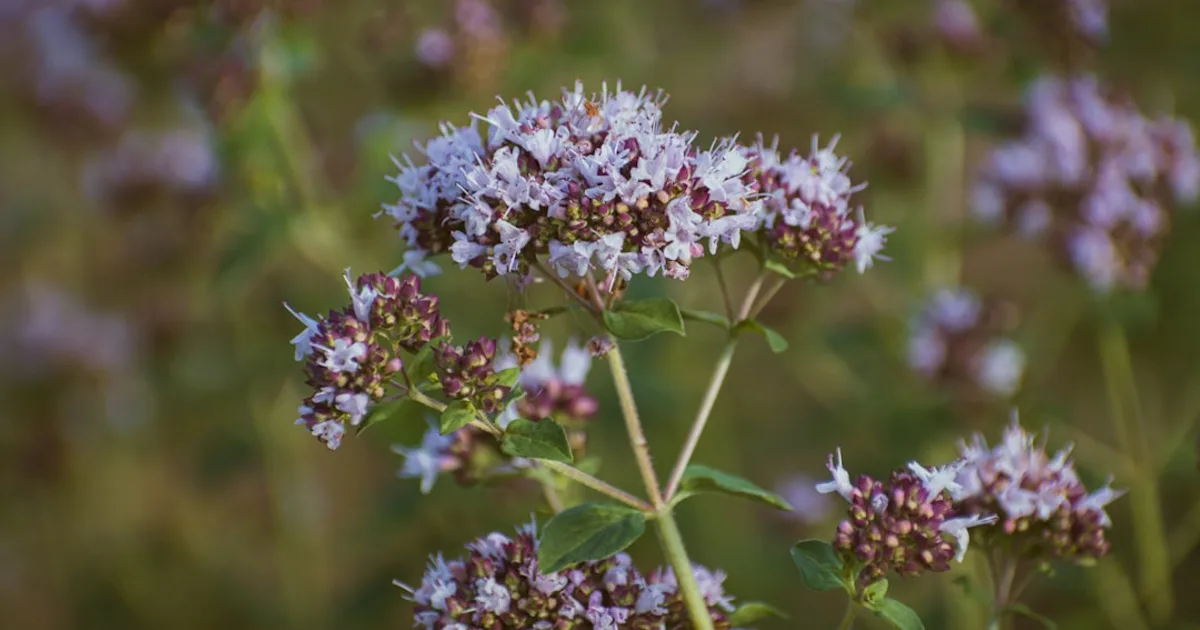
Marjoram (Origanum majorana) is consistently confused with oregano in the garden center and in the kitchen, but they are different species with different flavor profiles and different uses. Marjoram tastes sweeter, more floral, and less pungent than oregano. Where oregano can stand up to long cooking, marjoram’s volatile compounds dissipate quickly with heat - it performs better added at the end of cooking or used fresh. Understanding this distinction is what determines whether you end up with a useful herb or an oregano understudy you don’t know what to do with.
What it actually is
Marjoram is a tender perennial in its native Mediterranean habitat, treated as an annual in USDA zones 1-9. It reaches 12-18 inches tall with small, oval, gray-green leaves and tiny white to pale pink flowers. The plant has been cultivated since ancient times and is botanically distinct from common oregano (Origanum vulgare), which belongs to the same genus but is a cold-hardy perennial with a coarser, more aggressive flavor.
Sweet marjoram is the standard culinary form. Pot marjoram (O. onites) is a related species with similar flavor but better cold tolerance. Knotted marjoram is the same species as sweet marjoram - “knotted” refers to the flower bud clusters that look knotted before opening.
Marjoram vs. Oregano: The Actual Differences
Same genus, different plants. The confusion comes from garden centers selling them interchangeably, but the flavor chemistry is distinct.
| Factor | Marjoram (O. majorana) | Oregano (O. vulgare) |
|---|---|---|
| Primary flavor compounds | Sabinene hydrate, terpinen-4-ol | Carvacrol, thymol |
| Flavor character | Sweet, floral, slightly citrusy | Pungent, warm, assertive |
| Heat stability | Volatile compounds dissipate with prolonged heat | Flavor holds and concentrates with cooking |
| Best added when | Last 2-3 minutes of cooking, or fresh | Early in cooking, braised in sauces |
| Cold hardiness | Annual zones 1-9; tender perennial zone 10+ | Hardy perennial to zone 5 |
| Typical retail price | $8-12/lb fresh | $6-10/lb fresh |
| Dried vs. fresh flavor | Dried loses nuance; fresh is better | Dried is stronger than fresh; either works |
Sources: Essential oil composition data from USDA ARS Natural Products Lab; Baser KH et al., Flavour and Fragrance Journal (2002) on Origanum volatile oil composition.
The key practical distinction is the heat question. A long-braised tomato sauce cooked for 45 minutes will extract everything from oregano and produce a well-integrated herb flavor. The same treatment with marjoram leaves nothing recognizable - the sabinene hydrate and terpinen-4-ol that define marjoram’s flavor are lighter, more volatile molecules that cook off quickly. Marjoram goes in at the end, or stays raw.
This is also why “Italian herb blends” in the spice aisle taste like oregano and not much else - if marjoram is in the blend and the dish gets cooked long, the marjoram contribution is gone.
The ROI case
Fresh marjoram retails at $8-12/lb at specialty grocers and farmers markets (USDA AMS Specialty Crop Market News, 2023). A typical grocery store bunch of fresh marjoram contains 0.5-1 oz and sells for $1.50-3.00 - that’s $24-96/lb equivalent. The $2.49 seed packet contains enough seed for multiple seasons of plantings.
A packet of marjoram seed plants far more than one season. Seed stays viable for 2-3 years stored cool and dry. Direct sow a 3-foot row and you’ll have more marjoram than most households use fresh - the real value is in drying the surplus and using it through winter. At 0.25 lb of dried marjoram per season from a modest planting, your seed investment returns in the first year against what you’d spend on dried marjoram in small grocery store jars.
Fresh vs. Dried Value Analysis
The math on dried marjoram is worth doing because small-jar pricing at grocery stores is opaque.
A standard 0.5 oz jar of dried marjoram at a grocery store costs $3-5. That’s $96-160/lb equivalent. The “premium” specialty herb section runs $5-7 per 0.5 oz for quality dried marjoram - $160-224/lb equivalent.
Fresh marjoram dries to roughly 20-25% of its fresh weight (primarily moisture loss). One pound of fresh marjoram yields approximately 3-4 oz of dried. At $10/lb fresh, you’re producing 3-4 oz of dried herb with a grocery store equivalent value of $18-32 per 3-4 oz (at the standard small-jar price of $4-5 per 0.5 oz).
Practical comparison: a modestly sized marjoram planting yielding 1 lb of fresh herb over the season produces the equivalent of 6-8 small grocery store jars of dried marjoram (3-4 oz dried / 0.5 oz per jar). At $4/jar, that’s $24-32 in grocery replacement value from a crop that cost $2.49 to plant.
The honest note: marjoram does lose nuance in drying. The dried form is good for use cases where it’s combined with other strong flavors (sausage seasoning, meat rubs, long-cooked dishes). The premium use - where the sweet floral quality makes a real difference - is fresh marjoram in quick-cooked or uncooked applications.
Growing requirements
Marjoram is a warm-season herb that needs consistently warm soil (above 65°F) and full sun to develop strong flavor. Start seeds indoors 6-8 weeks before last frost, or direct sow after soil warms. Germination takes 8-14 days at 65-70°F; higher soil temps speed it up.
Soil pH of 6.0-7.0. Marjoram tolerates lean soil - rich, heavily amended soil produces lush growth with diluted essential oil concentration and inferior flavor. Avoid high-nitrogen fertilizers. A starting application of balanced granular fertilizer at planting is sufficient; skip it if the soil already has reasonable organic matter.
Space plants 12 inches apart. Marjoram grows as a compact mounding plant and doesn’t need much room, but airflow between plants reduces disease pressure.
Water at 0.5-0.75 inch per week. Marjoram is reasonably drought-tolerant once established. Overwatering suppresses the volatile oils that define its flavor - keep the soil evenly moist but never wet. Good drainage is more important than frequent watering.
What goes wrong
Stem rot and damping off (Rhizoctonia solani, Pythium spp.) in seedlings from overwatering or cool, wet soil. Prevent by using a well-drained starting mix and not overwatering transplants. Bottom watering is more reliable than overhead for seedlings.
Botrytis gray mold (Botrytis cinerea) on dense plantings in humid summers. Improve airflow by thinning plants and avoid overhead irrigation. Remove infected material promptly - botrytis spreads through spores.
Spider mites (Tetranychus urticae) colonize marjoram in hot, dry conditions. Look for fine webbing and speckled leaves. A strong blast of water knocks mites off. Insecticidal soap handles heavy infestations. Miticide resistance is common in spider mites; alternate treatments if one stops working.
Marjoram is generally a low-pest-pressure plant. Its essential oils deter many insects, which is one reason it’s useful planted near more vulnerable crops like basil.
Companion planting mechanism
Marjoram’s primary volatile compounds - sabinene hydrate and terpinen-4-ol - show documented repellent activity against certain thrips and aphid species in intercropping research. Montemurro et al. (Industrial Crops and Products, 2016) documented that Origanum species volatiles, including those in O. majorana, reduced thrips colonization in adjacent plants in Italian vegetable intercropping trials.
The evidence quality here is lower than for the well-studied basil-tomato pairing. The marjoram companion data comes primarily from field observation and Italian agricultural research rather than controlled laboratory studies. Plant it near basil, peppers, and tomatoes as a companion if it fits your bed layout, but don’t reorganize your entire garden around this effect. The deterrence is plausible and the mechanism is real, but “place marjoram near your most pest-vulnerable crops” is the right level of confidence to have.
Harvest and storage
Begin harvesting when plants are 6-8 inches tall. Cut stems back to the first set of leaves above the soil. Harvest just before flowering for peak flavor - the essential oil concentration peaks at bud stage. Once the plant flowers and sets seed, flavor declines; pinching flower buds extends the harvest season.
In the garden, marjoram self-sows reliably in zones 6-9 with consistent results. Leave one or two plants to flower and set seed in fall; they drop seed that germinates the following spring. You may not need to buy seed again.
Fresh marjoram keeps 3-5 days refrigerated. Drying preserves marjoram well: bundle stems, hang upside down for 1-2 weeks, then strip leaves from stems and store in an airtight jar. Dried marjoram holds flavor for 6-12 months. Unlike marjoram, dried oregano is actually stronger in flavor than fresh - the opposite is true for marjoram, which loses nuance in drying.
How to use it: specific applications
Marjoram is underused in American kitchens because most recipes don’t call for it by name, and when they do, cooks substitute oregano. The cases where marjoram is the better choice:
French fines herbes: The classic French blend is equal parts fresh parsley, chervil, tarragon, and marjoram, all finely chopped. Used uncooked over eggs, fish, and sautéed vegetables. Marjoram’s floral quality in this context adds a sweetness that oregano’s assertive carvacrol would overwhelm. Add at the last minute, never during long cooking.
German Wurstkraut (sausage spice): Marjoram is the defining herb in traditional German pork sausage, liverwurst, and blood sausage seasoning blends. The German culinary name for marjoram is literally “Wurstkraut” - sausage herb. Dried marjoram (0.5-1 tsp per pound of meat) in homemade sausage or meatloaf produces an unmistakably authentic flavor. This is one application where dried marjoram works well, because it’s mixed into ground meat and the curing process integrates the flavor.
Egg dishes: Marjoram in scrambled eggs or frittata, added with the eggs before cooking rather than after, produces a sweeter, more complex background flavor than the oregano most people use. The heat from a frittata is brief enough that the volatiles don’t fully cook off.
Tomato-based sauces (as finishing herb): Stir 1-2 teaspoons of fresh marjoram into a finished tomato sauce immediately before serving. It adds a floral sweetness that round out acidity in a way oregano, added early in cooking, doesn’t. The contrast is most obvious if you’ve made the same sauce both ways in the same week.
Related reading: Companion Planting Basics - what the evidence actually says about common herb pairings
Growing Marjoram? Track your harvest value and break-even date in the Garden ROI app.
Get the App