
New Zealand Spinach
Tetragonia tetragonioides
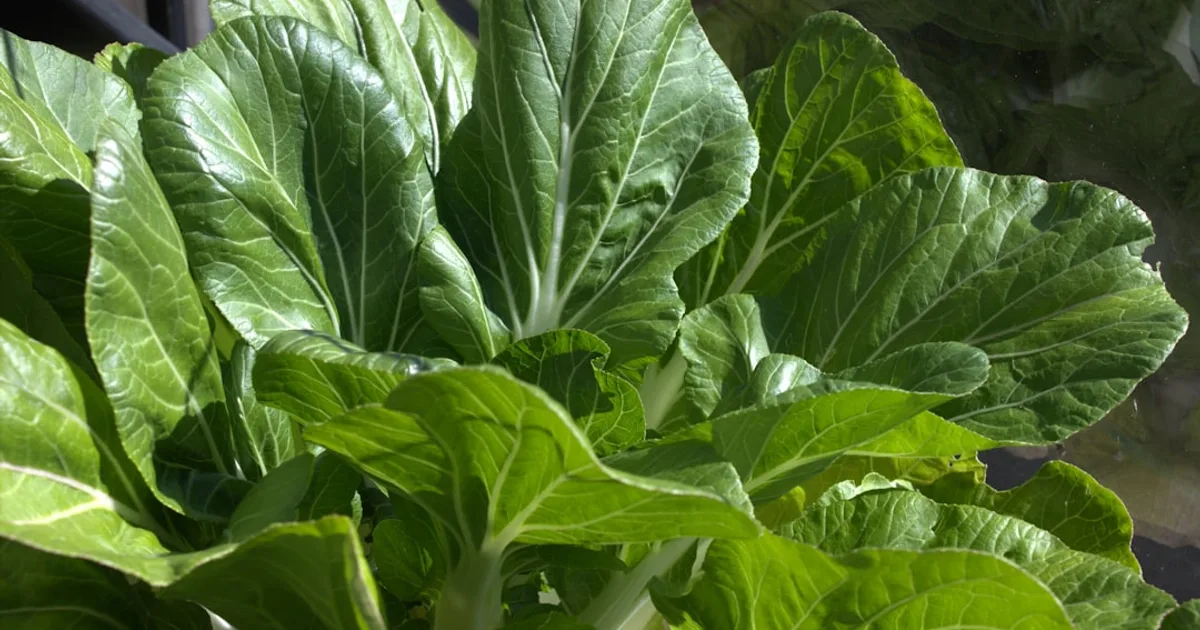
Regular spinach (Spinacia oleracea) bolts in summer heat, which creates a productivity gap in warm-climate gardens from June through August. New Zealand spinach fills that gap. It’s not a true spinach - it’s a separate plant in a different family - but the young tips and leaves taste similar to spinach and hold up to the same cooking applications. It thrives at temperatures that kill regular spinach, grows as a sprawling ground-covering vine, and produces continuously through summer if you harvest consistently.
The case for growing it is straightforward: you already have spring and fall spinach. New Zealand spinach gives you a cooked greens option in the months in between - months when you’d otherwise be buying greens at the store or going without.
What It Actually Is
Tetragonia tetragonioides is in the family Aizoaceae (the ice plant family), native to coastal areas of New Zealand, Australia, Japan, and South America. It is not related to true spinach (Amaranthaceae) despite sharing a common name and similar culinary use.
Captain Cook’s crew ate it as an antiscurvy green during the Endeavour expedition (1769-1771); Joseph Banks brought seeds back to England, and it entered European gardens shortly thereafter. It was grown in kitchen gardens across Britain and Europe in the 19th century primarily as a warm-season spinach substitute.
The plant is a sprawling ground cover rather than an upright plant. Leaves are triangular, slightly succulent and fleshy, 1-3 inches across, with a slightly granular surface texture from small vesicles on the leaf epidermis. Stems spread 2-4 feet outward from the planting site and can root at nodes where they contact moist soil.
It is not a spinach. The taste is similar - mild, slightly earthy, with some of the same mineral quality - but the oxalate chemistry differs, the growth habit is completely different, and the season is the opposite.
| Characteristic | New Zealand Spinach | True Spinach |
|---|---|---|
| Family | Aizoaceae | Amaranthaceae |
| Season | Summer (heat-tolerant) | Spring/fall (cool-season) |
| Bolting trigger | Does not bolt in heat | Bolts at 75°F+ sustained |
| Harvest method | Growing tips, continuously | Whole plant or outer leaves |
| Raw texture | Slightly succulent, faintly grainy | Tender |
| Cooked texture | Similar to spinach | Similar to NZ spinach |
| Freezes well | Yes, with blanching | Yes, with blanching |
| Pest pressure | Very low | Moderate (slugs, aphids) |
The texture note matters for raw preparations: NZ spinach leaves have a slightly granular, succulent surface that can feel different from regular spinach in a salad. Young tips (under 2 inches) are fine raw. Older leaves are better cooked. This is the main practical distinction for kitchen use.
The ROI Case
New Zealand spinach’s value is primarily the season extension it provides. Regular spinach at US retail averages $4-8/lb for baby leaf (USDA AMS Specialty Crop Market News, 2024-2025). New Zealand spinach isn’t typically stocked in conventional supermarkets - it appears at specialty grocers and CSA boxes when available, at similar price points.
Three plants, harvested consistently, can maintain steady tip production through the full summer gap. One planting covers the entire season.
| Planting | Plants | Seasonal yield | Value @$4/lb | Seed cost | Net |
|---|---|---|---|---|---|
| 3-plant patch | 3 | 4-7 lb | $16-28 | $1.25* | $14.75-26.75 |
| 6-plant row | 6 | 8-14 lb | $32-56 | $2.49 | $29.51-53.51 |
*Estimated from $2.49 packet at approximately half the seeds used.
The harvest yield assumes consistent tip harvesting every 5-7 days. Irregular harvesting reduces the total because the plant produces more branching tips when harvested frequently. A gardener who picks every week gets more total yield than one who picks every two weeks, because the former is keeping the plant in active vegetative production rather than allowing it to mature and slow down.
The financial case is secondary to the access case. Paired with regular spinach plantings in spring and fall, NZ spinach closes the summer gap and gives you fresh cooked greens from garden to table across the entire growing season.
Zone Fit
Zones 8-10: NZ spinach performs best here. Long warm seasons mean transplanting in April and harvesting through November. In frost-free zones, it may persist as a short-lived perennial. Start seeds outdoors in early spring and again in late summer for overlapping harvests.
Zones 6-7: The primary use case. One planting after last frost runs from late May through October - covering the full summer gap left by spring and fall spinach. Start seeds after last frost; first harvest arrives in 55-70 days.
Zone 5: Viable with planning. Direct sow in mid-May when soil temperature reaches 60°F. You’ll get a productive mid-July through September harvest. The season is shorter but still fills the gap. In Zone 5, the germination window and frost timing compress the production season to 10-12 weeks rather than 16-18 weeks in warmer zones.
Zone 4 and colder: Marginal. Frost arrives before the plant reaches full production. Regular spinach, with its faster maturity in cooler weather, covers the available cool-season windows better. NZ spinach is designed for summer heat, and Zone 4 summers are brief.
Growing Requirements
Seed germination: NZ spinach has a hard seed coat and germinates slowly without treatment. The outer seed coat resists water absorption, delaying germination to 2-3 weeks under typical conditions.
The treatment options:
- Soaking: cover seeds with warm water and soak 24 hours before planting. Softens the coat. Most practical for home gardeners.
- Scarification: nick or lightly sand the seed coat with fine sandpaper before soaking. More aggressive than soaking alone; reduces germination time to 7-10 days.
Without treatment, expect erratic germination over 2-4 weeks. This is the most common first-year frustration with this crop - it looks like nothing is happening, then seedlings appear in staggered waves.
Timing: direct sow after last frost when soil temperature is at least 60°F. Not suitable for cold, wet soil - seeds will rot before germinating. In Zones 8+, direct sow in mid-spring; in Zones 5-7, wait until the soil is warm (late May in Zone 5, early May in Zone 6).
No indoor start is typically needed. The plant grows fast enough that a direct-sown plant in late May will reach harvestable size by mid-July in Zone 6 - ahead of the midsummer gap.
Spacing: 18-24 inches between plants. Each plant spreads 2-4 feet across. Three plants in a 4x4 area produce adequate continuous harvest for two adults.
Depth: 1/2 inch. Press soil firmly over seeds.
Watering: water to establish, then reduce once plants are growing vigorously. NZ spinach is drought-tolerant after establishment. It originates from coastal, often sandy soils, and handles dry conditions better than most leafy vegetables. Consistent moisture produces larger, more tender leaves; drought stress produces smaller, slightly more bitter growth - still edible, just higher quality with regular water.
Harvesting: cut the growing tips - the last 4-6 inches of each stem including small leaves - every 5-7 days. This is the critical technique. Each harvested tip branches into 2-3 new tips; weekly harvesting produces progressively more harvest points as the season continues. A plant not harvested for 2-3 weeks won’t bolt (unlike regular spinach) but develops thicker stems and older growth that is woody and less pleasant.
Pick in the morning when leaves are crisp. The slightly succulent texture means they wilt faster than regular spinach in afternoon heat.
Pest and Disease
New Zealand spinach is notably pest-resistant - one of its genuine practical advantages over regular spinach, which faces consistent slug and aphid pressure. There are no commonly recognized economically significant pests specific to Tetragonia tetragonioides in North American gardens (Penn State Extension, Vegetable Production Guide, 2022).
Occasional slug damage occurs in wet conditions or on young plants before they’re established. Iron phosphate bait works for slug management if needed.
The slight succulence of the leaves makes them less palatable to most chewing insects than thin-leaved greens like regular spinach or arugula. The granular surface texture may also deter some insects.
Downy mildew can appear in cool, humid conditions at the end of the season, but by then harvest is typically winding down anyway. No intervention needed.
Preservation
NZ spinach keeps fresh for 3-5 days refrigerated. The slightly succulent leaves hold moisture better than thin leafy greens, but quality declines after about 4 days.
Freezing is the right approach for surplus. Blanch first - unblanched frozen NZ spinach develops off-flavors and grey-green color within a month (USDA NCHFP, Freezing Vegetables, 2023).
Blanch-and-freeze process:
- Harvest tips; strip leaves from fibrous stems; rinse thoroughly
- Bring a large pot of water to a full rolling boil
- Blanch 2 minutes
- Transfer immediately to ice water; hold 2 minutes
- Drain; press out excess water firmly (the moisture content is high)
- Spread on a baking sheet and freeze individually, then bag
Frozen blanched NZ spinach holds quality for 10-12 months. Use it in any cooked application where you’d use frozen spinach: pasta sauces, soups, frittatas, sautéed sides. The slightly grainy raw texture is irrelevant after cooking. For stir-fry, use fresh.
Washing note: the slightly granular surface of the leaves traps soil more readily than smooth-leaved spinach. Rinse in two changes of water rather than one, especially after rain.
Harvest and Kitchen
Harvest growing tips - the last 4-6 inches of each stem - every 5-7 days. Discard thick, older stems. Rinse in two changes of water before using.
Blanching before cooking: a brief 1-minute blanch in salted boiling water before the main preparation removes most bitterness (from calcium oxalate, present at lower levels than in regular spinach but worth managing for the best flavor). Squeeze out excess water before proceeding.
Sautéed with garlic: blanch tips 1 minute, drain, press dry, then sauté in olive oil with minced garlic and salt. A squeeze of lemon finishes it. In this preparation it’s virtually indistinguishable from cooked spinach.
Frittata and quiche: blanch, chop, press dry, use as a direct spinach substitute. Holds together well when baked; no textural issues in egg preparations.
Pasta: add blanched chopped leaves to hot pasta with olive oil, lemon, parmesan, and toasted pine nuts. Provides the summer version of a spinach pasta dish.
Soups and dal: stir leaves in during the last 10-12 minutes of cooking. They wilt quickly and add nutrition without changing the flavor profile.
The primary kitchen note: press out the water thoroughly after blanching. NZ spinach is succulenter than regular spinach and releases more moisture when cooked. If you skip this step in a frittata, the egg sets wet. In a sauté, you’ll steam the other ingredients rather than fry them. Blanch, drain, press, then cook.
Related crops: Spinach - cool-season counterpart for spring and fall; Malabar Spinach - another summer heat-tolerant green with different texture and tropical character
Related reading: Succession Planting Calendar - how to pair NZ spinach with true spinach for year-round cooked greens; Summer Garden Planning - filling the midsummer gap with heat-tolerant crops
Growing New Zealand Spinach? Track your harvest value and break-even date in the Garden ROI app.
Get the App