
Sichuan Pepper
Zanthoxylum simulans
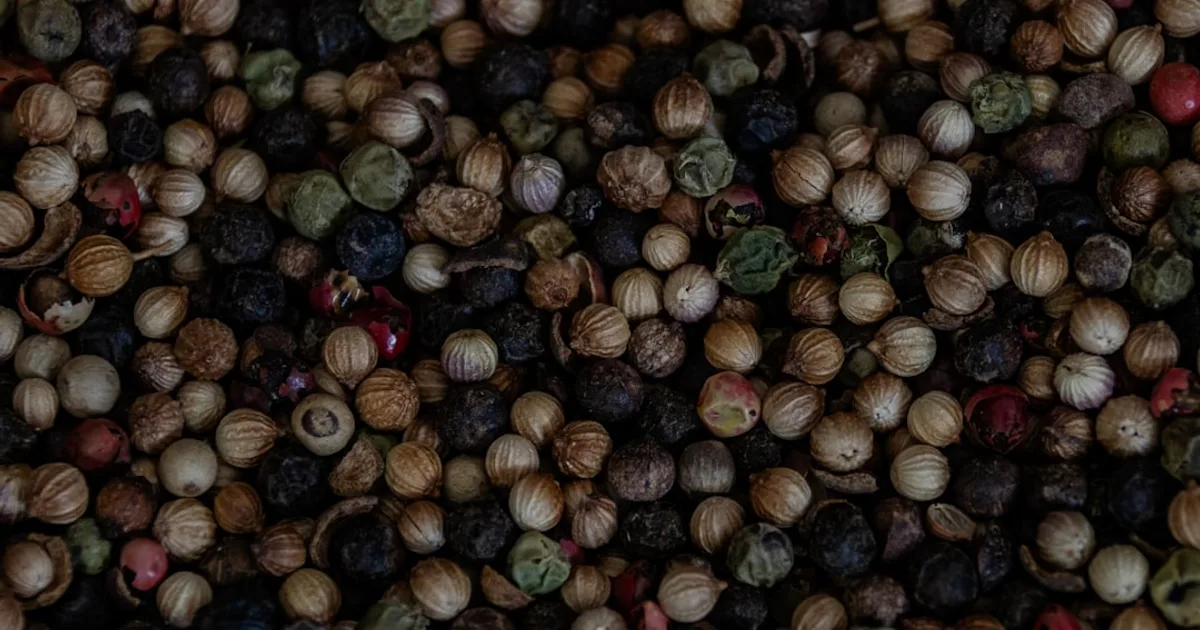
Sichuan pepper is not a pepper. It’s not related to black pepper (Piper nigrum) or chili peppers (Capsicum). It’s the dried husk of the prickly ash tree, and its distinguishing quality is a sensation rather than a flavor: the “mala” numbing tingle that blankets your lips and tongue, caused by a compound called hydroxy-alpha-sanshool that directly activates touch receptors rather than pain receptors. No other spice does this.
At specialty food stores and online spice retailers, dried Sichuan pepper husks run $20-35/lb. Fresh green Sichuan pepper - prized for its citrusy, more floral quality before drying - is essentially unavailable in the United States outside a handful of Chinese restaurants that grow their own or import it preserved. Growing your own is the only access point to fresh Sichuan pepper, which is categorically different from the dried product.
What it actually is
Two species are commonly sold as Sichuan pepper:
Zanthoxylum simulans (Chinese-Sichaun or flatspine prickly ash): the species most widely grown and available from US nurseries; hardy to zones 6-9; grows 8-15 feet; the more common home garden plant.
Zanthoxylum bungeanum (Sichuan prickly ash): the species most prized in Chinese cooking for the highest sanshool content and most intense numbing effect; zones 7-9; slightly less cold-hardy but the preferred culinary species.
Zanthoxylum piperitum (Japanese pepper / sansho): the Japanese equivalent; used similarly in Japanese cuisine; milder numbing quality than Chinese varieties.
Both Z. simulans and Z. bungeanum are small deciduous trees or large shrubs with thorny stems, aromatic compound leaves (the leaves themselves are used as a garnish in Chinese cooking), and clusters of reddish-pink seed husks that ripen in fall. The husks - not the black seeds inside - are the spice. The seeds are discarded because they’re bitter and gritty.
| Species | Hardiness | Numbing intensity | Aroma | Notes |
|---|---|---|---|---|
| Z. simulans | Zones 6-9 | Moderate-high | Citrus, woody | Most available in US nurseries |
| Z. bungeanum | Zones 7-9 | High | More floral, lemony | Preferred for Sichuan cooking |
| Z. piperitum (sansho) | Zones 6-9 | Mild-moderate | Bright citrus | Japanese cuisine; milder effect |
Dioecious or bisexual: most Zanthoxylum species produce bisexual flowers (self-fruitful), but some individuals are functionally male. Buy grafted or vegetatively propagated plants from a reputable nursery to ensure fruit production.
The ROI case
Sichuan pepper takes 2-3 years to produce its first real harvest. An established tree produces 0.5-2 lbs of dried husks per year depending on tree size and growing conditions.
| Year | Yield (dried husks) | Value @$25/lb | Plant cost | Cumulative net |
|---|---|---|---|---|
| 1-2 | 0 | $0 | -$14.99 | -$14.99 |
| 3 | 0.1-0.25 lb | $2.50-6.25 | - | -$12.49 to -$8.74 |
| 4 | 0.25-0.5 lb | $6.25-12.50 | - | -$6.24 to $3.76 |
| 5 | 0.5-1.0 lb | $12.50-25 | - | $6.26-$28.76 |
| 7 | 1.0-2.0 lb | $25-50 | - | $56.26-$128.76 |
Fresh green pepper premium: fresh green Sichuan pepper, harvested in summer before full ripeness, has a more intense citrus quality and higher essential oil content than the dried red product. Chinese restaurants that use it pay $30-50/lb when they can source it at all. There is no commercial domestic supply; growing your own is the only option.
The access value: beyond the dollar calculation, Sichuan pepper is one of the ingredients where home growing changes what you can cook. Recipes calling for Sichuan pepper rarely specify “fresh green” because no one can get it - but the difference is the same as fresh versus dried herbs multiplied by ten.
Growing requirements
Establishment: plant container-grown trees in spring or fall. Zanthoxylum establishes slowly the first year and accelerates once the root system is developed. Be patient - a tree that seems to be doing little in year one typically takes off in year two.
Soil: highly adaptable; tolerates poor, dry soils well. The primary requirement is drainage - Zanthoxylum does not tolerate waterlogged roots. Sandy loam, amended clay, or raised beds all work. pH 5.5-7.5.
Pruning: trees naturally form a multi-stemmed shrub habit. Training to a more open form with 3-5 main stems improves air circulation and harvestability. The stems and branches are thorny - heavy gloves required for pruning.
Harvesting green versus red: harvest green husks in late summer (July-August) for fresh green Sichuan pepper - the more citrusy, intensely aromatic product. For dried red Sichuan pepper, wait until husks turn red in September-October and begin to split open. Both stages are culinarily distinct.
Leaf harvest: the young leaves, called “huajiao ye” in Chinese, are used as a garnish in some regional dishes. The leaves have a mild version of the numbing quality and a fresh, citrusy aroma. Harvest young terminal leaves in spring and early summer.
What goes wrong
No berry production: the most common complaint. Causes: (1) plant is too young (under 3 years), (2) plant is functionally male (vegetatively propagated plants from a female parent are reliable; seedlings are not), (3) insufficient sun. Buy from a nursery that guarantees fruit-bearing plants.
Aphid infestations: colonies on new growth in spring. The aromatic oils deter most insects but aphids colonize new growth before the oils build up in young tissue. Knock off with water spray or insecticidal soap.
Frost damage in zone 6: young plants in zone 6 may suffer tip dieback in cold winters. Protect the root zone with mulch the first 2-3 winters. Established plants are hardier than young ones.
Harvest and use
For dried Sichuan pepper: harvest clusters when husks turn red and begin splitting (September-October). Spread on screens to dry in the sun or at low heat (under 120°F) for 2-3 days until completely dry. Remove the black seeds by shaking through a coarse sieve - the seeds are bitter and should be discarded. Store husks in a sealed glass jar away from light.
Toasting: Sichuan pepper releases much more flavor when dry-toasted in a pan for 1-2 minutes before use. Don’t skip this step; the difference between untoasted and toasted Sichuan pepper is significant.
Grinding: use a spice grinder or mortar. Ground Sichuan pepper oxidizes quickly; grind as needed or store pre-ground for no more than 2 weeks.
Core preparations:
-
Mala sauce base (麻辣): the “mala” (numbing-spicy) flavor profile that defines Sichuan cooking combines Sichuan pepper with dried chilies in oil. Toast and grind both; fry briefly in oil with garlic and ginger. This base goes into mapo tofu, dan dan noodles, water-boiled fish, and dozens of other Sichuan dishes.
-
Five-spice powder: Sichuan pepper is one of the five spices (alongside star anise, fennel seed, cloves, and cinnamon). Toast and grind; blend with the other spices. Home-ground five-spice with fresh Sichuan pepper is far better than commercial pre-ground blends.
-
Sichuan peppercorn oil: whole Sichuan peppercorns infused in neutral oil (heat oil to 300°F, add peppercorns, remove from heat, steep 30 minutes, strain). Drizzled over cold dishes, noodles, and dumplings. Used in place of chili oil when you want the numbing quality without the heat.
-
Sansho with grilled eel (unagi): the Japanese use of Z. piperitum powder - a pinch of ground sansho sprinkled over grilled freshwater eel is the traditional accompaniment. The citrusy, numbing quality cuts through the rich eel.
-
Cucumber salad with mala dressing: smashed cucumbers dressed with a tablespoon of Sichuan peppercorn oil, black vinegar, garlic, and a pinch of sugar. The numbing and sour combination is a common Chinese cold appetizer. Ground Sichuan pepper added at the end amplifies the effect.
Related reading: Ginger - fellow Asian spice crop grown from rhizomes; Galangal - another aromatic Asian spice with limited commercial availability
Growing Sichuan Pepper? Track your harvest value and break-even date in the Garden ROI app.
Get the App