
Tarragon
Artemisia dracunculus var. sativa
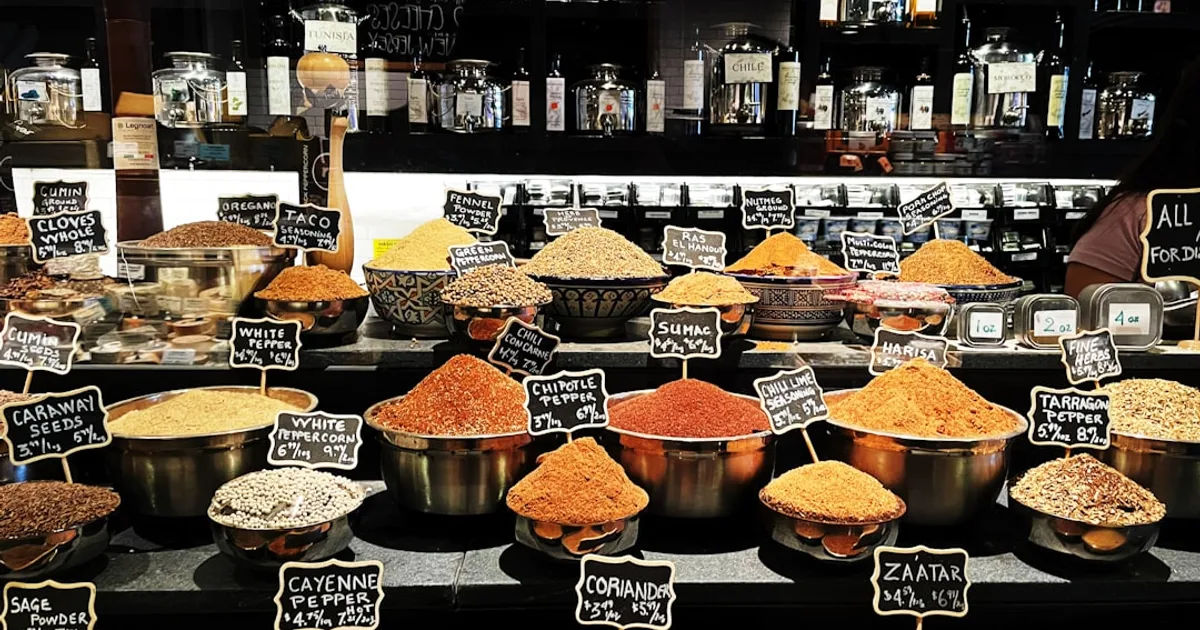
French tarragon (Artemisia dracunculus var. sativa) is one of the few culinary herbs you cannot grow from seed. Seed packets labeled “tarragon” are invariably Russian tarragon (A. dracunculus var. inodorus or simply A. dracunculus) - a plant that looks nearly identical but tastes like almost nothing. If you’ve grown “tarragon” from seed and wondered what the fuss was about, that’s why.
French tarragon is a sterile triploid - it produces no viable seed. The only way to get it is from a division or cutting of an existing plant. Expect to pay $3-6 for a rooted division from a reputable herb nursery. That $3.49 listed as seed cost in the data above represents the cost of a division purchase.
What it actually is
French tarragon is a perennial in USDA zones 4-7, dying back to the ground each fall and re-emerging in spring. It grows 18-24 inches tall with narrow, lance-shaped leaves that smell unmistakably of anise and slightly of vanilla. The flavor is assertive - a little goes a long way in cooking. It is a foundational herb in classical French cuisine: béarnaise sauce, fines herbes, tarragon vinegar.
The distinction from Russian tarragon matters at the garden center. The two are easily confused at a glance, and the difference in culinary value is the difference between a real herb and a garden ornament.
| Characteristic | French tarragon (A. dracunculus var. sativa) | Russian tarragon (A. dracunculus) |
|---|---|---|
| Leaf shape | Narrow, lance-shaped, smooth margins, glossy | Slightly wider, duller surface, may have finely serrated margins |
| Scent when crushed | Strong anise/vanilla, unmistakable | Little to no scent |
| Flavor | Assertive anise, estragole-dominant | Bland, slightly grassy |
| Viable seed? | No - sterile triploid | Yes - sets viable seed |
| How to start | Division or cutting only | Can start from seed |
| Cold hardiness | Zones 4-7 | Zones 3-9 |
| Retail market value | $12-18/lb | Not sold commercially |
| Growth habit | 18-24 inches upright, rarely flowers | Taller, coarser; flowers and sets seed |
The reason seed packets labeled “tarragon” are always Russian: French tarragon produces no viable seed and cannot be sold in packet form. Any seed you find is Russian. This is documented in the Herb Society of America Tarragon: An Herb Society of America Guide (2006). USDA AMS Specialty Crop Market News (2023) for pricing.
Buying guidance: when purchasing a plant at a nursery or garden center, look for a label that says specifically “French tarragon.” Then crush a leaf. If it smells like anise and vanilla, you have French. If it smells like cut grass, put it down.
The ROI case
Fresh-cut tarragon retails at $12-18/lb (USDA AMS Specialty Crop Market News, 2023). A standard grocery store clamshell contains roughly 0.3 oz for $2-3 - that’s $107-160/lb equivalent. The plant itself, once established, asks almost nothing from you after the initial purchase.
A mature French tarragon plant yields 0.15-0.35 lb per season across multiple harvests. At retail replacement value, one plant returns $2-6 per year - modest against a single harvest, but this is a perennial. That same plant runs 5-7 years before vigor declines, at which point you divide the root clump and restart with no additional purchase. The cost per ounce of fresh tarragon you actually use drops to near zero by year three.
The 5-year value accumulation makes the case clearly:
| Year | Harvest (fresh) | Value at $14/lb | Cumulative value | Cumulative input cost |
|---|---|---|---|---|
| Year 1 | 0.15 lb | $2.10 | $2.10 | $5 (division purchase) |
| Year 2 | 0.25 lb | $3.50 | $5.60 | $5 |
| Year 3 | 0.35 lb | $4.90 | $10.50 | $5 |
| Year 4 | 0.35 lb | $4.90 | $15.40 | $5 (divide: now 2 plants) |
| Year 5 | 0.70 lb (2 plants) | $9.80 | $25.20 | $5 |
By year 4, one purchased plant has been divided to produce two plants, and the annual harvest value nearly doubles. Total 5-year value: approximately $25 from a $5 investment. Year 6 and beyond: additional free plants from further divisions, declining marginal cost per ounce of harvest toward zero. USDA AMS mid-range of $14/lb used for calculations.
Propagation
Since French tarragon produces no viable seed, division and stem cuttings are the only propagation options. Both work well and allow you to multiply one purchased plant into several over time.
Division is the simplest method and the most reliable. Do it in early spring when shoots are 2-3 inches tall, before the plant has fully leafed out, or in fall after the plant goes dormant. Dig the clump completely, shake off excess soil, and pull or cut the clump into sections. Each section needs at least 2-3 shoots and a portion of root mass. Replant at the same depth the original plant was growing. Water in thoroughly. Divisions establish quickly because they already have root mass - they’re productive in the same season.
Dividing every 2-3 years keeps the plant vigorous. An undivided tarragon clump over 4-5 years tends to become crowded at the center, with the productive growing tips pushed to the outer edges and the center going woody and unproductive. Division resets this.
Stem cuttings work when you have a healthy parent plant but don’t want to disturb the root system, or when you want to create multiple plants quickly. Take 3-4 inch cuttings from soft new growth in late spring - before the stems become woody. Remove leaves from the bottom 2 inches of the cutting. Dip the cut end in rooting hormone powder (IBA, sold as Rootone or equivalent). Insert into moist perlite or a 50/50 perlite and vermiculite mix. Keep moist at 65-70°F with indirect light. Roots develop in 3-4 weeks; cuttings are ready to transplant in 6-8 weeks. Success rate is 60-70% with rooting hormone - lower than with woody herb cuttings like rosemary, because tarragon stems are softer and more prone to rotting before they root.
| Method | When | Time to productive size | Success rate | Notes |
|---|---|---|---|---|
| Division | Early spring or fall dormancy | Productive same season | 90%+ | Best for established plants every 2-3 years |
| Stem cutting | Late spring (soft growth) | 6-8 weeks to transplant | 60-70% | Use rooting hormone; avoid letting cuttings dry out |
| Purchased plant | Any time | Productive same season | N/A | $3-6 per rooted division; fastest start |
Growing requirements
French tarragon does best in well-drained, moderately fertile soil at pH 6.0-7.0. It tolerates lean soil better than rich, wet soil. In heavy clay, root rot is common - amend or plant in a raised bed.
Plant in full sun. Partial shade produces thin stems and weaker flavor. Space plants 18 inches apart; mature plants spread 12-18 inches via rhizomes.
Tarragon requires a cold dormancy period to thrive long-term. This is why it struggles in zones 8+. Without the annual reset of a cold winter, plants exhaust themselves and typically decline after 2-3 years. Zone 8 growers can extend plant life by mulching heavily in summer to keep roots cooler and dividing the clump every two years.
Water at 0.5-1 inch per week during active growth, less once the plant establishes. Good drainage is more important than regular water - saturated roots cause rot regardless of the season.
Do not over-fertilize. High nitrogen produces lush, watery growth with diluted flavor. A single application of balanced fertilizer (10-10-10) in early spring when shoots emerge is sufficient. Many growers apply nothing at all after year one and get excellent results.
What goes wrong
Root rot from poor drainage is the primary failure point. If a plant dies back in summer rather than fall, check the roots. Mushy, brown roots indicate a drainage problem. Plant in a slightly raised position to help excess water move away from the crown.
Powdery mildew (Erysiphe sp.) develops in humid, low-airflow conditions late in the season. It rarely kills the plant but reduces harvest quality. Remove affected foliage and improve airflow. The plant will die back naturally in fall anyway, so serious summer mildew mostly affects that season’s late harvests.
Rust (Puccinia dracunculi) produces orange-brown pustules on leaves. It’s uncommon but can defoliate a plant in a wet season. Remove affected leaves and apply sulfur fungicide preventively in seasons with wet springs.
Crown rot in fall or early spring occurs when mulch is applied too heavily over the crown itself (rather than around it). Keep mulch 2-3 inches away from the emerging crown in spring.
Harvest and storage
Begin harvesting once plants reach 8-10 inches tall in spring. Cut stems 3-4 inches from the growing tips. Harvest regularly to encourage new growth and prevent the plant from becoming woody. Don’t take more than one-third of the plant at a time.
Fresh tarragon keeps 1 week refrigerated wrapped in damp paper towels. For longer storage, freeze whole sprigs - they lose texture but retain flavor for cooking. Tarragon dries poorly because the volatile compounds responsible for flavor dissipate quickly with heat; if you must dry it, use the lowest possible heat and store in an airtight container.
Tarragon-infused vinegar is the best preservation method for long-term use - it captures the flavor effectively and keeps for 6-12 months.
Culinary applications
Tarragon is a foundational herb in classical French cooking, but it’s not difficult to use. The rules are simple: use French tarragon, add it near the end of cooking or raw, and don’t overdo it. The anise character is assertive enough that a tablespoon in the wrong application reads as medicine rather than herb.
Béarnaise sauce: the application most closely associated with French tarragon - a hollandaise variant where the lemon juice is replaced by a shallot and tarragon reduction, and fresh tarragon finishes the sauce. The estragole compound in French tarragon is what gives béarnaise its distinctive flavor; Russian tarragon or dried tarragon produces a characterless version. Standard method: combine 2 tablespoons finely minced shallot, 2 tablespoons white wine vinegar, 2 tablespoons dry white wine, and 1 tablespoon chopped tarragon in a small saucepan. Reduce by half over medium heat. Cool slightly. Whisk 3 egg yolks with the reduction over a double boiler until thick, then stream in 1/2 cup clarified butter, whisking constantly. Finish with 1 tablespoon fresh tarragon, salt, and lemon juice. Serve immediately; béarnaise does not hold well.
Fines herbes: the classic French blend of four herbs in equal parts - flat-leaf parsley, tarragon, chervil, and chives - all fresh, all added raw or in the last 30 seconds of cooking. Used with delicate proteins: eggs (an omelet fines herbes is essentially a standard French omelet with this blend stirred in off heat), fish, chicken. The blend is only worth making with French tarragon; Russian tarragon in the mix contributes nothing.
Tarragon vinegar: the best preservation method for French tarragon, and a useful kitchen staple in its own right. Fill a clean jar two-thirds full with fresh tarragon stems and leaves. Pour white wine vinegar (5% acidity minimum) to cover completely. Seal. Keep at room temperature away from direct light for 2-3 weeks, shaking every few days. Strain out the herbs, bottle the vinegar. Keeps 6-12 months. Use in vinaigrettes, as the acidifying component in béarnaise, or in mignonette. The flavor extraction is reliable - this preserves the essential oil character much better than drying.
Chicken with tarragon (poulet à l’estragon): the quintessential application in French home cooking. Add fresh tarragon sprigs to the cavity of a roasting chicken. After roasting, remove the chicken and build a pan sauce with the drippings, white wine or vermouth, and a splash of cream. Add 1-2 tablespoons of fresh tarragon in the last 2-3 minutes. The anise character of tarragon pairs naturally with poultry in a way that doesn’t translate to red meat. Don’t cook it long in the sauce - the volatile compounds that make French tarragon worth growing dissipate with extended heat.
Related crops: Chives, Arugula
Related reading: Companion Planting Basics - what the evidence actually says about common herb pairings
Growing Tarragon? Track your harvest value and break-even date in the Garden ROI app.
Get the App