
Peppermint
Mentha x piperita
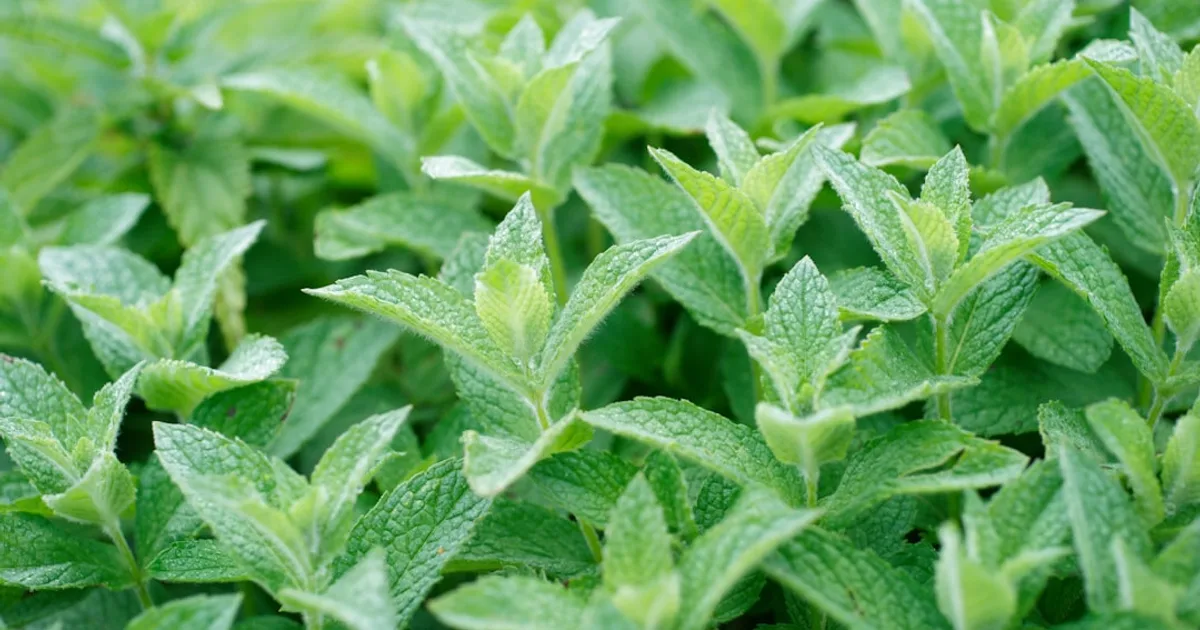
Peppermint and spearmint are not the same plant. If you’re buying “peppermint seeds” from a seed catalog, you’re not growing peppermint. True peppermint (Mentha x piperita) is a sterile hybrid - it produces no viable seed. The plant in the catalog labeled peppermint seed will sprout spearmint or some unspecified mint hybrid. The distinction matters because menthol content is the entire point of peppermint for tea, and spearmint has almost none of it.
What true peppermint actually is
Mentha x piperita is a natural hybrid of watermint (M. aquatica) and spearmint (M. spicata). The cross produced a plant with menthol concentrations that neither parent has: 35-55% menthol in the essential oil of a well-grown peppermint plant, compared to 0.5-1% in spearmint (USDA ARS, Essential Oil Crops Research Unit). That menthol differential is what you taste as the cooling, sharp bite of peppermint tea versus the milder, sweeter flavor of spearmint.
The hybrid is sterile. Seed set doesn’t happen because the plant’s chromosomes don’t pair correctly during meiosis. What you occasionally see labeled as peppermint seeds in retail packets are either mislabeled spearmint or a mint hybrid that will vary considerably from plant to plant. If you want true peppermint, you source a single transplant from a reputable nursery for $4-7, verify it’s labeled Mentha x piperita, crush a leaf and smell it - the menthol should hit immediately. Then you propagate from that plant indefinitely. You never buy it again.
This sterility also means you can’t improve or select from seed. The cultivar you start with is the cultivar you’ll always have, which makes the initial sourcing decision worth five minutes of thought. More on cultivars below.
Propagation economics
Once you have a single true peppermint plant, the economics of propagation are straightforward. Snip a 4-inch stem just below a leaf node, strip the lower leaves so you have two bare inches of stem and a few leaves at the top, and place it in a glass of water in a bright window. Roots appear in 7-10 days. That rooted cutting goes into potting mix and becomes a productive container plant within three to four weeks.
One peppermint container purchased once - say a $6 nursery transplant in April - becomes a permanent free plant resource. Any time you want a new container, take a cutting. Any time a neighbor asks for one, take a cutting. In year two and beyond, your stolons - the horizontal runners the plant produces below soil level - provide additional free propagation material. Pull a stolon out of the potting mix, cut it into 2-3 inch sections, each with at least one node, and lay them horizontally in moist potting mix just barely covered. They root within a week or two.
The typical home gardener’s trajectory: spend $6 in year one, $0 in subsequent years, end up with more peppermint than they can use. The constraint is not plant cost or propagation difficulty. The constraint is container space.
The container requirement
Peppermint spreads by underground stolons at an aggressive rate. In favorable conditions - moist soil, moderate temperatures, full sun - a single peppermint plant can colonize 18 inches of horizontal soil in a single growing season. In a mixed herb bed or a raised bed with other vegetables, that means one season to overrun neighboring plants. In a lawn, it means a spreading mat that is difficult to eradicate once established because any root fragment left in soil can re-sprout.
The solution is simple and non-negotiable: grow peppermint in containers only. A 12-16 inch diameter container with drainage holes and quality potting mix gives the plant enough root volume to be productive without any ability to spread. If you want it near your in-ground beds for convenience, set the container on a hard surface - patio, gravel path, deck - where stolons can’t escape into surrounding soil. Don’t bury the container in the ground as some sources suggest; stolons can exit through the drainage holes.
Container size affects yield directly. A 12-inch pot will produce roughly 3-4 oz of fresh herb per cutting cycle. A 16-inch pot will produce 4-6 oz per cutting cycle. You can cut the entire plant back to 3-4 inches above the crown, and it will regenerate to full harvest height in three to four weeks. Over a typical growing season in Zone 5-7, that means four to six cutting cycles per container.
Watering in containers requires more attention than in-ground. Container soil dries faster than ground soil - in summer heat, a 12-inch pot may need water every other day. Check by pushing your finger 2 inches into the potting mix: if it’s dry at that depth, water thoroughly until it drains from the bottom. Mint will flag when it’s dry but usually recovers after watering. The bigger risk in containers is the opposite - a pot sitting in a saucer of standing water invites root rot. Drain saucers after watering.
The tea value calculation
Fresh peppermint at retail runs $1.50-3.00 per oz at grocery stores in most US markets (USDA Agricultural Marketing Service retail fresh herb data). Dried peppermint for tea at specialty grocers and natural food retailers runs $15-25 per lb in the fresh equivalent weight - meaning you’d need roughly 4-5 oz of fresh leaves to produce 1 oz dried, which sells for $0.94-1.56/oz dried, or about $3.75-7.80 per oz fresh equivalent at specialty prices.
For practical tea use: one cup of peppermint tea brewed from fresh leaves takes 8-10 fresh leaves, which is roughly 0.1 oz. At $2/oz retail (midpoint), that’s $0.20 worth of fresh mint per cup. Modest, but it compounds.
A household that drinks two cups of peppermint tea per day uses about 0.2 oz of fresh mint daily, or roughly 6 oz per month during the growing season. At $2/oz retail, that’s $12/month - $60-72 over a five-month growing season. One 16-inch container, with four to six cutting cycles producing 4-6 oz each, yields 16-36 oz over a season. A productive container covers the full tea habit and leaves surplus for drying.
For drying and year-round tea use: dry the surplus from each cutting cycle by hanging bunches in a warm, ventilated space for 7-10 days, then crumbling the dried leaves into airtight jars. A full 16-inch container cutting cycle produces enough dried mint to supply two cups of tea per day for six to eight weeks when dried. Over a season’s worth of cutting cycles, you can dry enough to carry through winter entirely from your own production.
The annual retail equivalent of one well-managed 16-inch container: $30-60 in fresh herb used for tea, cooking, mojitos, and garnish. Not including the dried inventory for winter. For a $6 initial investment and $0 in subsequent years, that’s the best ROI per square foot of any herb in a standard home garden.
Menthol content by cultivar
Not all plants sold as peppermint are equal on menthol. If you’re growing specifically for tea - for that cooling, intense peppermint flavor - cultivar selection matters.
‘Mitcham’ peppermint, also called Black Mitcham or English Mitcham, is the standard for high-menthol production. It was historically the primary commercial peppermint cultivar in England and is still grown commercially for essential oil extraction. Menthol content in ‘Mitcham’ ranges from 55-60% of the essential oil fraction - the highest available in a home-garden-accessible cultivar (USDA ARS, Mentha germplasm collection records). Leaves are slightly darker green with reddish-purple stems. It is aggressive in its growth habit, which is an advantage in a container and a warning in any other context.
Standard commercial peppermint sold at most nurseries without a named cultivar - often labeled simply “peppermint” or Mentha x piperita - runs 35-45% menthol. Adequate for tea, noticeably less intense than Mitcham.
‘Chocolate Mint’ is Mentha x piperita f. citrata ‘Chocolate’ - not the same as commercial peppermint for tea purposes. It has a distinctive cocoa-mint aroma from different volatile compound ratios, lower menthol content, and a different sensory profile. It’s worth growing if that flavor is what you want, but don’t use it as a substitute for peppermint tea.
Spearmint (M. spicata) is the plant you’re most likely to accidentally buy instead of peppermint. It’s widely available, commonly mislabeled, and looks similar. Spearmint’s characteristic flavor compound is carvone, not menthol - spearmint essential oil contains 0.5-1% menthol and 55-70% carvone. The taste is mild and sweet compared to peppermint. Crush a leaf before you buy: if it doesn’t punch you in the nose with menthol, it’s not true peppermint.
Growing requirements and seasonality
Plant your container after last frost when soil temperatures are above 50°F. Peppermint is cold-hardy in Zones 3-7 and will survive winter in its container in most of those zones if the container is large enough that the root mass doesn’t freeze solid. In Zone 6 and colder, wrapping the container or moving it to an unheated garage for winter protects the crown. The plant dies back to the roots in autumn and re-emerges in spring without any additional effort.
Sun exposure affects menthol content directly. More sun hours mean higher essential oil and menthol production - this is well documented in commercial peppermint production where growers maximize light exposure. Four to six hours of direct sun is functional for yield. Six to eight hours produces more intense flavor in the harvested leaves. Afternoon shade in climates above Zone 7 reduces heat stress without reducing menthol; in Zone 5-6, full sun all day is optimal.
Soil pH of 6.0-7.0 is standard for Mentha species. Use a quality potting mix with added compost - about 30% by volume - to improve moisture retention. Peppermint is not drought-tolerant in the way that thyme or rosemary are; it needs consistent moisture at the root zone.
Fertilize lightly. A balanced slow-release granular at the beginning of the season, supplemented with a dilute liquid fertilizer once monthly, is sufficient. Heavy nitrogen feeding increases vegetative growth but dilutes essential oil concentration in leaves - the same mechanism that makes herbs generally less aromatic when pushed with nitrogen. You’re growing peppermint for its oils; don’t compromise them chasing volume.
What goes wrong
Mint rust (Puccinia menthae) is the most common disease issue. Orange-yellow pustules on leaf undersides are the signature symptom. It’s fungal, spreads by airborne spores, and overwinters in infected plant debris. Remove and destroy infected leaves and stems. Improved airflow around containers and avoiding overhead watering in the evening reduces infection pressure.
Spider mites (Tetranychus urticae) colonize leaf undersides in hot, dry conditions - their preferred habitat. Stippled, bronzing foliage is the sign. A hard spray of water from the underside of leaves removes most mite populations. Insecticidal soap works for heavier infestations; apply in the evening to reduce phytotoxicity risk.
Root rot from saturated soil is more common in container culture than any disease or pest. It’s the single biggest mistake with container herbs: watering too frequently, or letting containers sit in standing water. Use pots with good drainage, don’t use saucers that hold water, and check soil moisture before watering rather than watering on a schedule.
Harvest
Cut stems in the morning after dew dries, when essential oil content is highest. Cut stems back to 3-4 inches above the crown, leaving enough foliage for the plant to recover quickly. Rinse the harvested stems under cool water and use immediately for tea, or hang to dry for storage.
For tea, 8-10 fresh leaves per cup brewed for 5 minutes in just-off-the-boil water extracts menthol effectively. Dried peppermint requires slightly more - 1 tablespoon dried per cup - but holds well in sealed jars for 12-18 months.
Related reading: Companion Planting Basics - what the evidence actually says about common pairings
Companion planting note: Peppermint near tomatoes is a common folk recommendation based on the premise that volatile menthol compounds confuse or deter certain pest insects. Laboratory-scale studies have shown repellent effects of menthol vapors on Aphidius parasitoids and some aphid species (Murray, Phytochemistry, 1985). Field-scale effectiveness as a pest control strategy has not been consistently demonstrated. The practical reason to place a peppermint container near a tomato bed is harvest convenience, not pest management.
Growing Peppermint? Track your harvest value and break-even date in the Garden ROI app.
Get the App