
Culantro
Eryngium foetidum
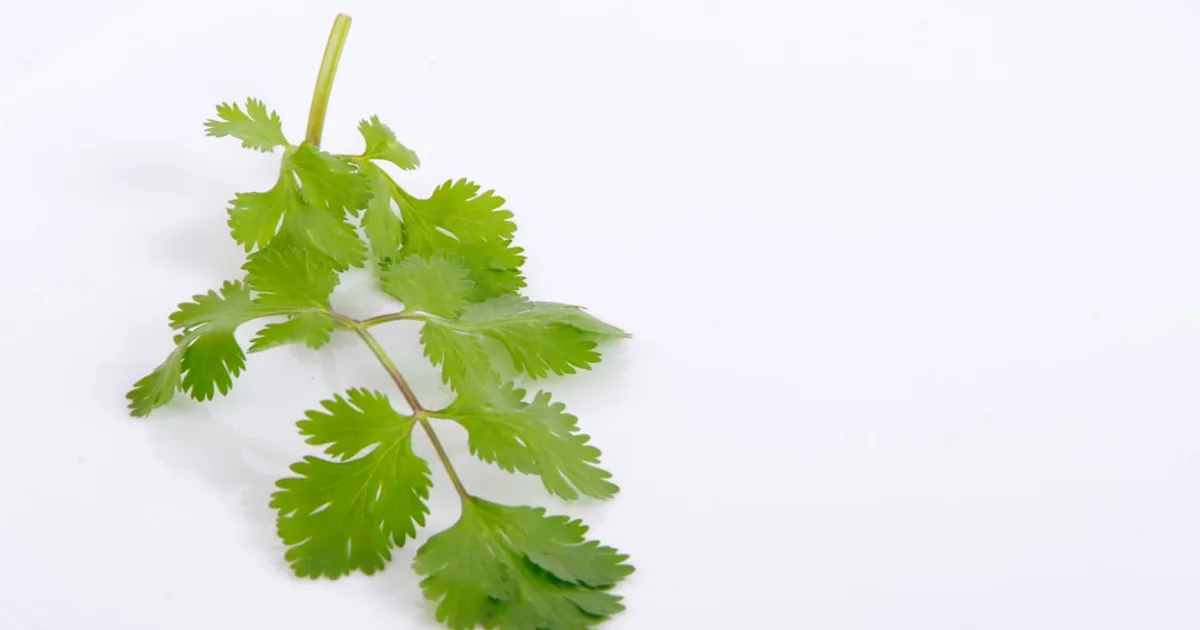
Culantro solves cilantro’s biggest problem. Regular cilantro (Coriandrum sativum) bolts in summer heat, eliminating it from the garden precisely when you want it most for salsas, hot dishes, and marinades. Culantro grows through that same heat without bolting, produces all summer, and has a flavor that’s essentially cilantro amplified - the same aromatic compounds but at roughly ten times the intensity. In Puerto Rican cooking it’s called recao and is one of the two indispensable ingredients in sofrito. In Vietnamese cooking the long serrated leaves appear in pho as ngò gai. In the eastern Caribbean it’s shadow beni or chadon beni and appears in everything from green seasoning to pepper sauce.
At Latin American and Caribbean markets it runs $4-8/lb for fresh bunches. Outside of cities with significant Caribbean, Latin, or Southeast Asian communities, it’s commercially unavailable.
What It Actually Is
Eryngium foetidum is in the carrot family (Apiaceae), native to tropical Central America and the Caribbean. Despite common names like “false cilantro,” “long coriander,” and “Mexican coriander,” it is a distinct genus with no particularly close botanical relationship to cilantro beyond family membership and flavor similarity. Cilantro is in the genus Coriandrum; culantro is in Eryngium (the same genus as sea holly), and the two plants share a culinary niche, not a lineage.
The plant grows as a flat basal rosette of long, serrated leaves - 4-10 inches long, dark green, with spiny teeth along the edges that distinguish it visually from every other common culinary herb. It looks nothing like cilantro. After several months of growth, it sends up a central branching flower stalk; at this point leaf production slows.
The flavor compounds overlap with cilantro’s (including (E)-2-alkenals and related aldehydes) but at higher concentration. This explains why culantro is used in smaller quantities - a few leaves deliver the flavor that would require a large bunch of regular cilantro.
Regional names: recao (Puerto Rico), culantro (most of Latin America), ngò gai (Vietnam), pak chi farang (Thailand), shadow beni and chadon beni (Trinidad, eastern Caribbean), ngò om and rau mùi tàu (Southeast Asia). The name varies by region but the plant is the same.
The ROI Case
Culantro’s value is primarily access and season extension. It provides cilantro-like flavor through summer months when cilantro fails, and it is commercially unavailable in most US markets outside of urban ethnic grocery stores.
Fresh culantro at Caribbean and Latin specialty markets runs $4-8/lb (specialty market retail pricing; USDA AMS does not track this crop). Individual bunches typically sell for $1-2 for 2-4 oz. More relevant than the per-pound number is the access value: if you cook Caribbean or Southeast Asian food and want fresh culantro from July through September, growing it is the only reliable option in most US locations.
| Planting | Plants | Seasonal yield | Value @$6/lb | Seed cost | Net |
|---|---|---|---|---|---|
| 4-6 plants | 4-6 | 0.4-0.8 lb | $2.40-4.80 | $1.25* | $1.15-3.55 |
| 8-10 plants | 8-10 | 0.8-1.5 lb | $4.80-9.00 | $2.49 | $2.31-6.51 |
*Estimated from $2.49 packet.
Because it’s 5-10x more potent than cilantro per leaf, a small planting covers a household that cooks with cilantro regularly. You don’t need large quantities.
Zone Fit
Zones 9-11: culantro becomes a short-lived perennial. Established plants survive mild frosts but will be damaged by temperatures below 32°F. In truly frost-free conditions, plants produce year-round and self-seed readily. This is the zone where it’s low-maintenance once established - plant once, maintain indefinitely.
Zones 7-8: grown as a warm-season annual. Direct sow after last frost; harvest through summer and fall until first frost kills the plant. In mild Zone 8 winters, plants sometimes survive with protection (mulch, row cover over a cloche).
Zones 5-6: viable as an annual with a full summer run. Direct sow when soil temperature reaches 65°F (late May to early June in Zone 5). You’ll get productive harvest from mid-July through September or first frost - 10-12 weeks of continuous fresh herb. The shade tolerance is particularly valuable in these zones: plant in the dappled shade under tomatoes or sweet corn, where few other herbs would thrive.
Zone 4 and colder: marginal. Short warm seasons may not allow sufficient establishment before fall. Starting seed indoors 4-6 weeks before last frost and transplanting after frost gives a better production window.
Growing Requirements
Light and shade tolerance: culantro evolved as a forest understory plant in tropical regions. This makes it unusual among culinary herbs - it not only tolerates partial shade, it prefers it in hot weather. In intense summer heat above 95°F, afternoon shade (3-4 hours of direct sun in the morning, shade the rest of the day) improves leaf quality, prevents premature bolting, and keeps leaves from becoming overly tough. In Zones 5-7 with less extreme summer heat, full sun (6+ hours) works well.
This shade tolerance creates a useful companion planting opportunity: culantro thrives under the canopy of taller crops - corn, tomatoes, tall peppers, trellised beans. The taller crop provides afternoon shade; the culantro fills space that would otherwise be bare ground. Plant culantro 12 inches from the base of taller plants.
Germination: seeds germinate slowly - 10-21 days at 65-75°F. Fresh seed is more viable than stored seed; culantro loses germination viability faster than most herbs. Purchase seed from the current year’s crop when possible. Pre-soaking seed for 12-24 hours before planting improves germination rate and timing.
Surface sow or barely cover - 1/8 inch maximum. Press lightly. The seeds need warmth and moisture; germination fails in cold soil (below 65°F) or dry conditions.
Spacing: thin to 6-8 inches apart. Each plant develops a rosette 6-12 inches across.
Harvesting without damaging the plant: harvest individual outer leaves from the rosette, leaving the central growing point intact. This is essential - pulling the whole plant or cutting at the base eliminates future production. Work from the outside of the rosette in. A well-managed plant provides continuous harvest for months from a single planting.
Delaying flowering: culantro sends up a central flower stalk after several months, particularly in long-day conditions. When you see the central growth elongating upward rather than outward, cut the flower stalk at the base. This resets the plant into vegetative production for another 4-6 weeks before it tries to flower again. Repeat until first frost.
Water: consistent moisture; culantro doesn’t tolerate drought as readily as Mediterranean herbs. In containers or raised beds that dry quickly, check daily in peak summer.
What Goes Wrong
Slow germination: the most common first-year frustration. Two to three weeks without visible germination is normal. Using old seed and replanting too early leads to overcrowded patches. Use fresh seed, pre-soak, sow in warm soil, and wait.
Slugs: in partial shade conditions - which is where culantro often thrives - slug pressure is higher than in exposed full-sun beds. Slugs damage young plants and seedlings most severely. Iron phosphate bait (Sluggo) applied around the base of plants is effective and safe around food crops.
Caterpillar feeding: loopers and armyworms browse culantro leaves in humid conditions. Bacillus thuringiensis (Bt) spray works for lepidopteran larvae; apply in the evening when caterpillars are active.
Premature bolting: culantro bolts faster when water-stressed, in full sun in intense heat, or under long-day photoperiod. Consistent moisture, afternoon shade, and removing flower stalks promptly extend the harvest window.
Overpowering flavor in raw preparations: 5-10x more pungent than cilantro per leaf. Using it in the same volume as cilantro in a recipe produces an overwhelming result. Start with one or two leaves in place of a tablespoon of cilantro; adjust from there.
Preservation
Fresh: culantro wilts within 24-48 hours after harvest. Wrap in a damp paper towel and refrigerate; use within 3-4 days. Do not wash until you’re ready to use.
Freezing: freezing preserves culantro flavor better than drying. Blanch leaves very briefly (10-15 seconds in boiling water), transfer to ice water, pat dry, and freeze flat on a baking sheet before bagging. Alternatively, blend fresh leaves with a small amount of water or oil, freeze in ice cube trays, and store the cubes in a bag. Add frozen cubes directly to cooking without thawing. This is the method recommended for sofrito preparation - freeze finished sofrito in ice cube trays for year-round use.
Drying: drying causes significant loss of volatile compounds in culantro. The dried herb is pale and weak compared to fresh; the characteristic pungency that makes culantro useful is largely gone. If you must dry it for long-term storage, dry quickly at low temperature (95°F in a dehydrator) and store in an airtight container. Accept that the result will be usable but not equivalent to fresh.
Kitchen Applications
The intensity adjustment is the key skill with culantro. One or two leaves in a soup or stew that calls for a quarter cup of cilantro is the right ratio - not tablespoon for tablespoon. Cooking mellows the intensity; fresh raw culantro is more assertive than cooked culantro in a long-simmered sofrito.
Puerto Rican sofrito (recao): the defining application. Recao, ají dulce peppers, onion, garlic, and often cilantro, blended into a coarse paste. Used as the aromatic base for arroz con pollo, beans, stews, and most rice dishes. Without culantro, the sofrito tastes different; cilantro is a tolerable substitute but misses the depth the recao provides. Make a large batch; freeze in ice cube trays. Each cube is one portion.
Vietnamese pho garnish: authentic pho herb plates include ngò gai (culantro) alongside bean sprouts, basil (rau quế), sawtooth herb, and lime. Leaves are torn and added to the hot broth at the table. The hot broth wilts the leaves instantly and releases the aroma. Using cilantro as a substitute is common but the flavor profile shifts.
Thai spicy herb dishes: pak chi farang appears in spicy ground-pork larb, tom yum soup, and herb salads. Chiffonade or tear the leaves into the dish.
Caribbean green seasoning: culantro, parsley, garlic, onion, Scotch bonnet or habanero pepper, and sometimes thyme blended into a wet paste. Used to marinate chicken, fish, and meats across the eastern Caribbean. This is the defining condiment of Trinidadian and Tobagonian cooking - the culantro is not optional.
Soups and braises: add 2-3 leaves per serving in the last 10-15 minutes of cooking. Remove before serving if you want the flavor contribution without visible leaves; leave in for more intensity.
Related crops: Cilantro - summer-bolting counterpart; Epazote - another heat-tolerant Latin American herb with no commercial substitute; Vietnamese Coriander - another cilantro-adjacent herb for hot climates
Related reading: Herb Preservation Guide - freezing and preserving fresh herbs for year-round use
Growing Culantro? Track your harvest value and break-even date in the Garden ROI app.
Get the App