
Fig
Ficus carica
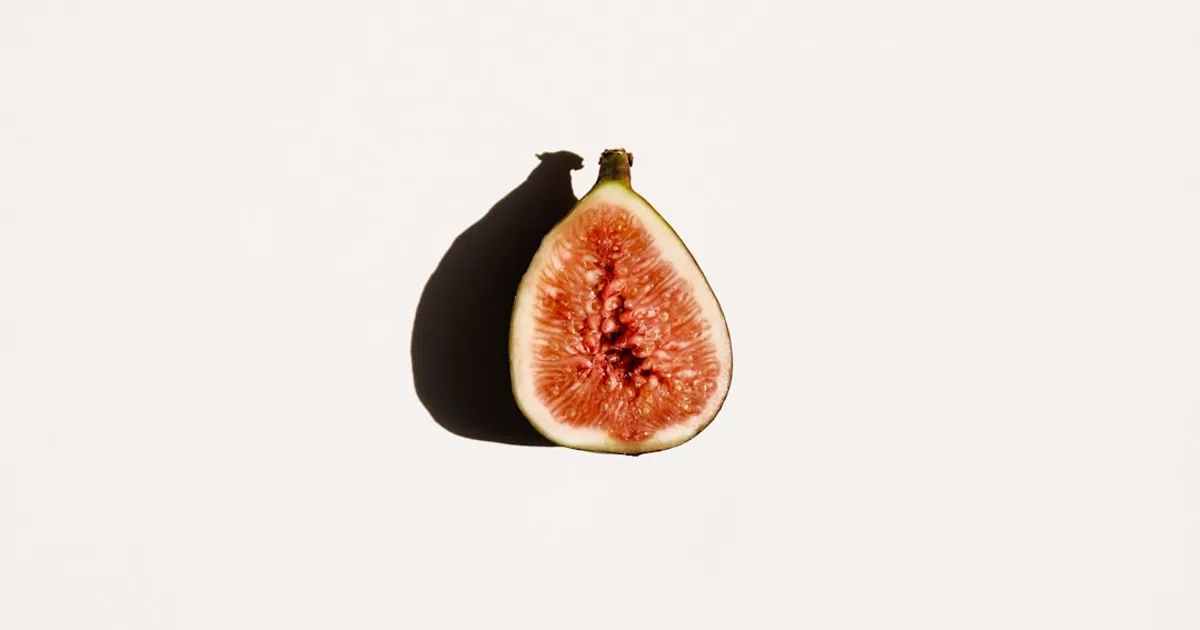
Fresh figs sell for $3-6/lb at grocery stores and $5-10/lb at farmers markets when you can find them at all. Most of the time you can’t - not ripe ones. Commercial figs are harvested firm for shipping and arrive at the store as a pale approximation of what they’re supposed to be. A fig picked at full ripeness is soft, jammy, and sweet in a way that doesn’t survive a truck ride across three states. If you want to eat a good fig, you grow one. That’s the real reason to plant this tree.
What You’re Actually Growing
Common fig (Ficus carica) is the cultivated species. Most edible varieties grown in North American gardens are parthenocarpic - they set fruit without pollination. This matters because the alternative (caprifigs) requires the fig wasp (Blastophaga psenes), a species not established outside California and a few southern states. Every variety discussed in this entry sets fruit without a pollinator, which is what makes home production practical from Maine to Minnesota.
The tree is fast-growing and long-lived. In Zone 8 or warmer, a fig planted today can reach 10-15 feet and produce commercially useful harvests within three years. In Zone 5-6 container culture, the same tree stays smaller and requires more management, but production is real and the fruit is the same.
Variety Comparison
Choosing the wrong variety for your climate is the most common fig mistake. Brown Turkey is in every garden center, but it’s not the right call for a Zone 6 grower.
| Variety | Cold Hardiness | Fruit Size | Flavor Notes | Tree Size | Best Use Case |
|---|---|---|---|---|---|
| Brown Turkey | Zone 7+ | Large | Mild, low sugar | Large (10-15 ft) | Warm-climate in-ground |
| Chicago Hardy | Zone 5 crown | Small-medium | Good, well-balanced | Medium (6-10 ft) | Cold-climate in-ground or container |
| Celeste | Zone 7+ | Small | Very sweet, rich | Medium | Drying, fresh eating, early harvest |
| Petite Negra | Zone 8+ / container | Small-medium | Dark, sweet | Compact (4-6 ft) | Container production anywhere |
Brown Turkey is the most widely available variety in the US and does well in Zone 7 and warmer. The fruit is large and mild - good fresh, acceptable dried. The tree gets big. In Zone 7, it’s a reasonable choice. In Zone 5-6, don’t bother in-ground unless you’re committed to serious winter protection.
Chicago Hardy is the practical answer for Zone 5-6 growers. It was selected from a sport found surviving Chicago winters, and it earns its name. In a hard Zone 5 winter, the top growth dies back to the crown. The plant regrows from the roots in spring and still manages a main-crop harvest on that new wood by August. It doesn’t need special treatment to survive - though crown mulching helps. If you live north of the Mason-Dixon line and want a fig in the ground, this is your variety.
Celeste is smaller-fruited with higher sugar content and better flavor than Brown Turkey for many purposes - particularly drying. It’s an earlier ripper, which matters in borderline climates. Zone 7+ in-ground, or container in colder zones.
Petite Negra (also sold as ‘Petite Negro’ or ‘Violette de Bordeaux’ in some catalogs - verify before buying) stays compact enough to produce well in a 15-gallon container and overwinter in a standard garage. Dark purple-black skin, sweet flesh, excellent in containers for growers in Zone 8+ who want to keep a tree on a patio, or for northern growers container-overwintering. This is the one to choose if pot size is a limiting factor.
Breba Crop vs. Main Crop
Figs produce two crops per year under the right conditions - and knowing which one you’re actually going to harvest changes how you manage the tree.
The breba crop develops on wood that grew the previous season. It ripens in late May through June in warm climates. Breba figs are generally smaller and often inferior in flavor compared to the main crop. They’re a bonus, not the primary harvest.
The main crop develops on the current season’s new growth and ripens August through September. This is the significant harvest - larger, better-flavored fruit in greater quantity.
Here’s the problem for cold-climate growers: the breba crop forms on last year’s wood. If you’re in Zone 5-6 and your branches die back over winter - which they will, even on Chicago Hardy - you lose the breba potential entirely. You’re relying on the main crop, full stop. This is fine. The main crop is the better crop anyway. But it means any production estimate for Zone 5-6 should be based on main-crop numbers only, not the combined yield figures you’ll see for Zone 8+ trees.
For Zone 8+ growers with no winter dieback, both crops are reliable. Plan for the breba as extra fruit, not a core harvest. It ripens fast and the shelf life is the same 3-5 days as the main crop.
The ROI Math
A rooted cutting or small container plant runs $14.99-$24.99 at a reputable nursery. Bare-root plants can be cheaper; mail-order cuttings cheaper still. Figure $20 as a reasonable starting cost.
Year 1 is establishment. Don’t expect much fruit. Year 2 you’ll get some - maybe 2-4 lb on a young container plant, 3-6 lb in-ground in a warm climate. Year 3 is when production becomes real.
Warm-climate scenario (Zone 7+, in-ground, established year 3+):
- Yield: 10-20 lb per season (USDA Agricultural Research Service data on Ficus carica production; UC Davis ANR Publication 7296 reports mature California trees at 20-40 lb, but those are multi-stem training systems in ideal conditions)
- Fresh market price: $5/lb at farmers market (conservative)
- Annual fruit value: $50-100
- Plant cost recovered: Year 2-3
Cold-climate scenario (Zone 5-6, container, established year 3+):
- Yield: 5-10 lb per season (main crop only, container-limited root zone)
- Fresh market price: $5/lb
- Annual fruit value: $25-50
- Plant cost recovered: Year 2-3
Neither scenario looks impressive on paper against a $20 investment. The honest framing is that the value isn’t primarily in savings over buying - it’s in access to fruit you cannot reliably purchase. A $10 fig is rare. A good fresh fig from a well-managed home tree is not rare at all.
Dried fig value math:
Fresh figs have a 3-5 day shelf life at room temperature. When your tree drops 15 lb in two weeks in August, you can’t eat it all fresh. Drying is the answer.
Dried weight is roughly 20% of fresh weight - you lose about 80% of the mass to water. A 20 lb fresh harvest yields approximately 4 lb dried. Dried figs sell for $8-15/lb retail ($10/lb is a reasonable middle estimate). That 4 lb of dried figs is worth $40. The math gets more compelling when you’re working with a productive Zone 8 tree pushing 20 lb per season.
Drying method: halve the figs and dry at 130°F in a dehydrator for 18-24 hours, or lay halved fruit on wire racks in full sun for 5-7 days if you have consistently dry summer weather. Dehydrator results are more reliable and less vulnerable to insects. Dried figs keep 6-12 months in an airtight container at room temperature.
Container Culture for Cold Climates
This is the technique that opens fig production to Zone 5-6 growers who want something beyond Chicago Hardy. You grow the tree in a large container, produce fruit through summer, and move the container to an unheated but frost-free space for winter.
Container size matters more than most sources say. You need a minimum 15-gallon container for any real production; 20-25 gallon is better. A 5-gallon pot will keep a tree alive but the root restriction limits fruit development. The tradeoff is weight - a 20-gallon container full of moist growing media weighs 80-100 lb. You need a hand truck or a platform with casters before you plant it, not after.
Potting mix: Use a well-draining mix - standard potting soil amended with 25-30% perlite. Figs in containers are more prone to root rot than in-ground trees because drainage is limited. Do not use native soil in containers.
Root pruning is the critical maintenance step that most guides skip. After 2-3 years in a container, a fig becomes pot-bound. The root mass occupies the entire container, watering becomes inefficient, and production drops. In late winter while the tree is still dormant, remove the tree from its pot, use a hand saw or sharp pruners to cut 2-3 inches of root mass from the bottom and sides, and repot into fresh mix. This resets the root zone and maintains vigor. Do it every other year on a productive container fig.
Overwintering: After the first hard frost (below 28°F), the tree drops its leaves and goes dormant. Move it into an unheated garage or basement. The space needs to stay above freezing - 28-32°F is fine, 20°F is not. Water once a month, just enough to keep the roots from desiccating completely. Do not fertilize. Do not place it under grow lights. It needs dormancy, not supplemental growing conditions. Move it back outside after your last frost date in spring.
The weight problem has a real solution: Plant in a fabric grow bag on a wheeled dolly rather than a rigid plastic or ceramic container. Fabric bags promote air pruning of roots (which reduces pot-binding), weigh less than rigid containers, and are easier to manipulate. The 25-gallon Smart Pot with a furniture dolly underneath is a practical setup for a Zone 5-6 grower who moves the tree twice a year.
Growing Requirements
Full sun is non-negotiable. Eight or more hours of direct sun per day produces fruit; less produces a nice ornamental tree with poor yields. In northern zones, a south-facing wall with light-colored masonry behind the tree raises the effective growing temperature by several degrees through reflected heat and radiant thermal mass. This can extend what a Zone 6 grower can ripen.
Soil pH 6.0-7.0 is the target range, though figs tolerate alkalinity better than most fruit trees and will perform adequately up to pH 8.0. They grow in poor soils but fruit better with reasonable organic matter and good drainage. Avoid high nitrogen - excess nitrogen pushes vegetative growth at the expense of fruit, producing large, lush trees with small, poorly flavored figs. A balanced 10-10-10 fertilizer applied once in spring at a conservative rate is sufficient. Container trees need more frequent feeding (every 3-4 weeks during the growing season) because nutrients leach with irrigation.
Water 1-1.5 inches per week during the fruit-swelling phase from midsummer through harvest. Irregular moisture during this window causes fruit splitting and souring. Drip irrigation on a timer produces more consistent results than hand watering. Container trees dry out faster than in-ground trees and may need watering every 2-3 days during hot stretches.
What Goes Wrong
Fig rust (Physopella fici) appears as orange-yellow pustules on leaf undersides, followed by premature defoliation. It spreads in humid conditions and becomes more severe as the season progresses. Copper-based fungicide applied preventively in midsummer slows the spread. Rake and remove fallen leaves - the pathogen overwinters in leaf debris and reinfects the following season.
Dried fruit beetle (Carpophilus hemipterus) enters fruit through the ostiole (the small opening at the fruit’s base) and causes fermentation and souring from the inside out. The fix is prompt harvest. Pick figs at peak ripeness rather than letting them hang. Overripe and split fruit left on the tree are an attractant.
Fig mosaic virus produces mottled yellow-green patterns on leaves, stunted growth, and reduced fruit quality. Transmission is by the fig mite (Aceria ficus). There is no treatment. Remove infected plants. Buy starts from reputable nurseries with disease-free certification.
Cold damage in Zone 5-6 kills wood but typically not established roots of hardy varieties. Mound 4-6 inches of mulch over the crown after leaf drop. Wrap the main trunk in burlap if you want to preserve wood for a breba crop - though as noted above, you’re likely relying on the main crop anyway. Chicago Hardy regrows reliably from the crown after dieback; Brown Turkey in Zone 6 is a coin flip.
Harvest and Storage
A fig does not ripen after picking. You harvest at full ripeness or you harvest something inferior. Signs of readiness: the neck softens and bends, the fruit hangs under its own weight, the skin color deepens to the varietal norm (dark brown to purple-black on most common varieties, golden-yellow on ‘Desert King’), and the fruit yields gently to pressure. At this stage the interior is fully jammy.
Fresh figs last 3-5 days at room temperature and 5-7 days refrigerated. That shelf life is the whole reason you can’t buy a good one at a grocery store 500 miles from where it was grown. At home, that constraint becomes irrelevant - you’re picking and eating the same day.
For surplus beyond fresh eating: halve and dehydrate at 130°F for 18-24 hours, or freeze halved figs on a sheet pan and transfer to bags once solid. Frozen figs have a soft texture after thawing that rules out fresh eating but works well for baking and jam.
Related crops: Arugula, Strawberry, Dragon Fruit
Related reading: First Three Years ROI - accounting for a tree’s ramp-up period before it produces at full capacity; Fruit Tree Payback Timeline - when each tree covers its cost
Growing Fig? Track your harvest value and break-even date in the Garden ROI app.
Get the App