
Hazelnut
Corylus americana
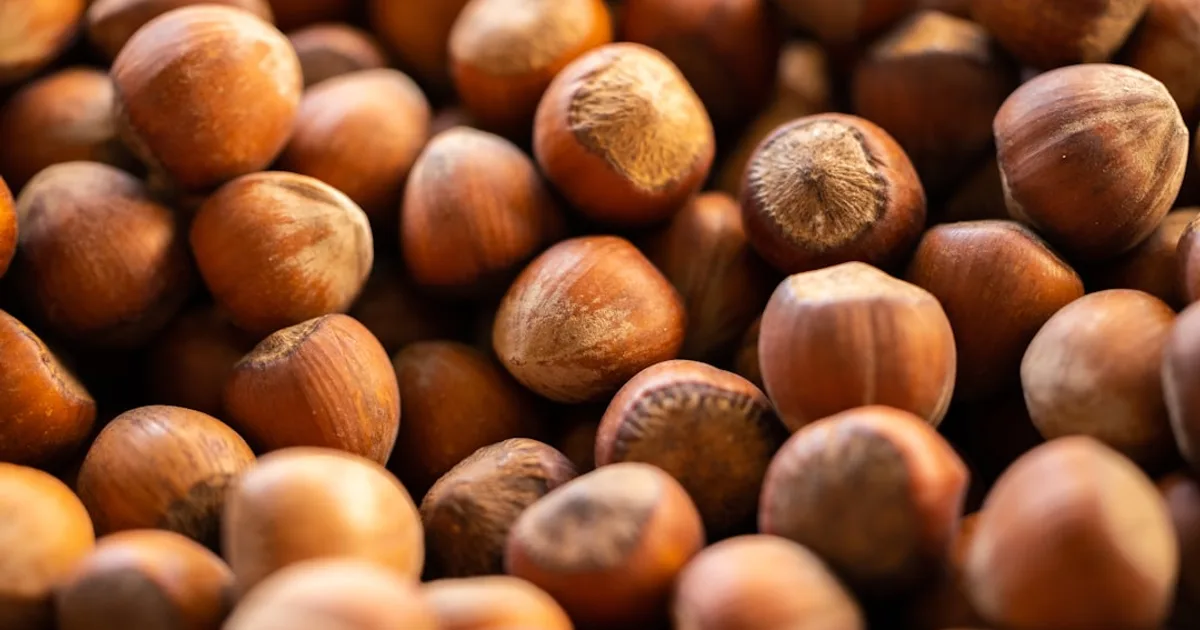
Hazelnuts are one of the most practical nut crops for home gardens. They come into bearing in 3-4 years (versus 7-10 for walnut or pecan), grow as shrubs rather than trees (5-12 feet, manageable in most gardens), produce reliably in zones 4-9, and yield a nut that sells for $5-10/lb shelled at specialty stores or $8-15/lb roasted. The American hazelnut (Corylus americana) is native across eastern North America, adapted to conditions that kill European hazelnuts, and makes a productive food-producing native planting that doubles as wildlife habitat.
Two requirements define hazelnut planning. First, cross-pollination: hazelnuts are self-incompatible and require two genetically different varieties to set nuts. Second, in the eastern US, disease selection: European hazelnuts are largely unsuited to eastern gardens due to Eastern Filbert Blight (EFB), a fungal disease that kills them. Both of these factors have specific cultivar solutions.
What It Actually Is
Two species are relevant for home production:
American hazelnut (Corylus americana): native to eastern North America; zones 4-9; cold-hardy to approximately -30°F; smaller nuts than European type but reliably productive; strong Eastern Filbert Blight resistance. Grows 6-12 feet as a multi-stemmed suckering shrub.
European hazelnut / filbert (Corylus avellana): larger nuts (the commercial “filbert” type used in Nutella and European confectionery); zones 5-8; higher yield potential; susceptible to Eastern Filbert Blight east of the Rocky Mountains. Best suited to Pacific Northwest gardens west of the Cascades, where EFB is absent or minimal.
American-European hybrids bred for EFB resistance and larger nut size: developed at Oregon State University and the University of Nebraska, these are the practical choice for eastern US gardeners who want larger nuts with disease resistance. Key named hybrids include ‘Jefferson’, ‘Eta’, ‘Theta’, ‘Yamhill’, ‘Lewis’, and ‘Wepster’.
| Type | Nut size | Cold hardiness | EFB resistance | Zones | Best for |
|---|---|---|---|---|---|
| American (C. americana) | Small-medium | -30°F | High | 4-9 | Eastern US; wildlife plantings |
| European (C. avellana) | Large | -15°F | Low | 5-8 | Pacific Northwest |
| OSU hybrids | Medium-large | -20°F | High | 4-9 | Eastern US; large nut production |
CRITICAL: Eastern Filbert Blight
Eastern Filbert Blight (EFB), caused by the fungus Anisogramma anomala, is the defining disease concern for hazelnut production in the eastern United States. The disease is native to North America and co-evolved with American hazelnut, which is resistant. European hazelnuts lack this resistance and are killed by EFB - typically within 3-7 years of infection.
If you are east of the Rocky Mountains: do not plant unimproved European Corylus avellana cultivars. The widely available ‘Barcelona’ and ‘Ennis’ - standard European commercial cultivars - are highly susceptible and will die from EFB in most eastern gardens. Plant American hazelnut (C. americana), OSU hybrids, or other EFB-resistant selections.
If you are west of the Rocky Mountains (especially Pacific Northwest): EFB is present in Oregon and Washington but at lower pressure than in the East. OSU hybrid cultivars are recommended here too; commercial Pacific Northwest hazelnut orchards use EFB-resistant varieties as standard practice.
Symptoms of EFB: elongated, slightly sunken cankers on branches, often girdling and killing the branch above the canker. New infections appear each spring. Infected branches should be pruned 12 inches below visible canker margins and destroyed (burned or bagged, not composted). Copper fungicide applied at bud swell and early bloom reduces new infections.
Cross-Pollination Cultivar Pairs
Hazelnuts are self-incompatible - they cannot set nuts with their own pollen. Two genetically different varieties that bloom simultaneously must be planted within 65 feet (closer is better for pollen transfer in calm conditions) for nut production.
Recommended compatible pairs:
- ‘Jefferson’ + ‘Eta’: both OSU-developed, EFB-resistant, large nuts, mid-season bloom overlap. The most widely recommended pair for eastern US and northern gardens. ‘Jefferson’ is the higher-yielding primary producer; ‘Eta’ is the effective cross-pollinator.
- ‘Barcelona’ + ‘Ennis’: the traditional Pacific Northwest commercial pair, both European C. avellana. High yield and large nuts but EFB-susceptible - use only west of the Rockies in low-EFB areas.
- ‘Yamhill’ + ‘Lewis’: both OSU hybrids; excellent EFB resistance; good nut size; compatible bloom timing. Good alternative to ‘Jefferson’ + ‘Eta’ with slightly different nut character.
- Two American hazelnuts (C. americana): any two different selections or seedlings of American hazelnut will cross-pollinate each other and produce nuts, though smaller than OSU hybrid types. Good for wildlife value and low-maintenance native plantings.
Purchase named varieties from a reputable nursery that specifies the variety. Two “hazelnut shrubs” of unknown origin from a garden center may be the same genetic clone and won’t cross-pollinate each other.
The ROI Case
Hazelnut shrubs begin producing at year 3-4 and increase steadily for 10-20 years. Unlike most tree fruits, they don’t have pronounced biennial bearing cycles.
Specialty market pricing: shelled raw hazelnuts $5-10/lb; roasted hazelnuts $8-15/lb (USDA Agricultural Marketing Service, Specialty Crop Market News, accessed 2024; Pacific Northwest tree nut retail pricing).
| Year | Yield per 2-shrub planting | Value @$6/lb | Shrub cost (2) | Cumulative net |
|---|---|---|---|---|
| 1-2 | 0 | $0 | -$39.98 | -$39.98 |
| 3 | 1 lb | $6 | - | -$33.98 |
| 4 | 4 lb | $24 | - | -$9.98 |
| 5 | 7 lb | $42 | - | $32.02 |
| 7 | 10 lb | $60 | - | $152.02 |
| 10 | 12 lb | $72 | - | $362.02 |
Roasting adds value: raw hazelnuts are worth $5-6/lb. Dry-roasted, skinned hazelnuts are worth $10-15/lb at specialty stores. Processing 5 lb of raw nuts takes 30-40 minutes of active time (roasting, rubbing off skins) and approximately doubles the per-pound value.
Zone Fit
Zones 4-5: American hazelnut (C. americana) and OSU hybrids perform well across this range. Cold-hardiness is not an issue for established plants. The more important concern is late spring frost on early-opening catkins - hazelnuts bloom remarkably early (January-March in most zones), and late cold events can kill the catkins and eliminate that year’s crop. Siting in a slightly protected spot (north-facing slope where bloom is delayed; sheltered from wind that amplifies cold) reduces this risk.
Zones 6-7: the primary home production zone for both American and OSU hybrid types. Reliable yield from established plantings; EFB management is the main variable in the East. In Pacific Northwest zone 6-7, European types (‘Barcelona’, ‘Ennis’) perform well.
Zone 8-9: southern limit for reliable production. In zone 8, insufficient winter chill hours become a concern in warm years - hazelnuts require approximately 800-1,200 chilling hours below 45°F to break dormancy properly. In cool zone 8 areas (Pacific Northwest, high elevation), production is reliable. In warm zone 8-9 (Gulf Coast, lower South), chilling hours are often inadequate and yields become unpredictable.
Light: full sun produces the best yields. Partial shade (5-6 hours direct sun) reduces nut set noticeably but is workable in gardens with limited sunny spots. American hazelnut is naturally an understory shrub and tolerates shade better than European types.
Growing Requirements
Planting: plant bare-root shrubs in early spring; container-grown plants in spring or fall. Space 8-12 feet apart to allow for mature size and to facilitate harvest. Plant both cross-pollinating varieties at the same time for synchronized establishment and bloom timing.
Soil: highly adaptable. Tolerates moderately poor, slightly acidic to neutral soils (pH 5.5-7.0) and moderate clay. Well-drained conditions preferred; avoid waterlogged sites. American hazelnut in particular grows naturally in disturbed sites, forest edges, and rocky slopes - it doesn’t need pampered soil.
Suckering management: hazelnuts produce basal suckers aggressively. For a productive multi-stemmed shrub form, maintain 5-7 main stems and remove surplus suckers annually in late winter. For a more open tree-like form, remove all suckers and maintain a single trunk. Unmanaged suckering produces a dense thicket that yields fewer and smaller nuts but provides excellent wildlife cover.
Bloom timing: catkins (male flowers) extend and shed pollen before most trees exit dormancy - January-March depending on zone. The female flowers are tiny red stigmas visible at bud tips simultaneously with catkin extension. Pollen dispersal requires dry conditions; rain during bloom reduces pollination success.
Water: 1 inch per week during the growing season. More important during nut fill (July-August) when drought stress reduces nut size. Drought-tolerant once established (year 3+), but consistent moisture during nut development produces better yields.
Fertilizer: compost top-dressed annually at the drip line is sufficient for most established shrubs. If growth is less than 6-12 inches per year, a balanced fertilizer in early spring is appropriate. Avoid excess nitrogen; it promotes vegetative growth at the expense of nut set.
What Goes Wrong
Squirrels: the primary economic threat to the harvest. Eastern gray squirrels (Sciurus carolinensis) can strip a hazelnut shrub days before nuts reach maturity. Strategies: harvest slightly early (when husks are just beginning to brown) and finish ripening indoors in paper bags; net individual shrubs starting 4-6 weeks before expected harvest; accept wildlife sharing and plant enough shrubs to absorb losses. Netting is effective but requires removal before harvest and re-installation - plan for the labor involved if this is your strategy.
Partial nut fill: empty shells are common in poorly pollinated years. Check before committing to large-scale harvest - open a sample of nuts and inspect the kernels. Causes: inadequate cross-pollination (verify your two varieties are compatible and within range), nut weevil (Curculio nucum) larvae consuming developing kernels, or aphid infestations weakening the plant during nut fill.
Nut weevil (Curculio nucum): adult weevils lay eggs in developing nuts in early summer; larvae eat the kernel before the nut matures. Infested nuts fall early and show a small exit hole at the tip. Kaolin clay applied to the shrub from early July through August deters adult weevil egg-laying. No reliable organic treatment once larvae are inside the nut.
Hazelnut aphid (Corylobium avellanae and related species): colonies on the undersides of leaves cause leaf curl, premature leaf drop, and reduced nut fill. Strong water spray for light infestations; insecticidal soap for heavy colonies. Natural predators (parasitic wasps, ladybugs) provide effective biocontrol in unsprayed gardens.
Harvest
Hazelnuts ripen August-October depending on variety and location. Don’t wait for nuts to fall on their own - squirrels work the same schedule. Harvest when husks begin to turn brown at the tips and the outermost nuts in a cluster start to loosen. Shake branches over a tarp or clip whole husk clusters and work in batches. Remove husks (they’re slightly sticky and the fine hairs are mildly irritating - thin gloves help) and spread nuts in a single layer on screen trays or newspaper to dry.
Curing: freshly harvested hazelnuts have high moisture content and should be dried for 2-6 weeks before storage. Spread in a single layer in a warm (60-70°F), dry, well-ventilated location. In-shell nuts are cured when a nut dropped on a hard surface sounds hollow rather than dull. This drying step is critical for storage quality; undried nuts mold.
Preservation
In-shell storage: dried in-shell hazelnuts keep 6-12 months in a cool (below 60°F), dry, dark location; 12-18 months refrigerated. Store in breathable bags or open containers, not sealed plastic, to allow any residual moisture to escape.
Shelled raw storage: 3-6 months at room temperature in an airtight container; 12 months refrigerated. Hazelnuts are high in unsaturated fat and go rancid faster than almonds or walnuts. Refrigerate shelled nuts in all but the coolest storage conditions.
Frozen shelled hazelnuts: the most practical long-term storage. Freeze in airtight containers or vacuum-sealed bags. Frozen shelled hazelnuts retain quality for 2+ years. Thaw at room temperature before roasting or using in baking; they don’t need to fully thaw before most applications.
Roasted and skinned: store in an airtight container at room temperature up to 2 weeks, or refrigerate up to 2 months. The roasting process reduces shelf life compared to raw because the oils are more exposed to oxidation.
Kitchen Applications
Toasting and skinning: spread shelled hazelnuts on a baking sheet; roast at 350°F for 12-15 minutes, stirring once, until the skins crack and the nuts smell toasty. Wrap in a clean kitchen towel while hot; rub vigorously. Most skins come off; some residual skin is normal and acceptable. The skinned roasted hazelnut is the starting point for nearly all kitchen preparations - raw hazelnuts have a bitter skin that diminishes the flavor of any dish.
Hazelnut flour: roasted and skinned hazelnuts processed in a food processor or high-speed blender to a fine powder. Stop before it becomes butter - pulse rather than running continuously. Home-ground hazelnut flour is used in financiers, frangipane, tortes, and gluten-free baking. Superior in flavor to commercial hazelnut flour because it’s made from freshly roasted nuts.
Hazelnut butter: roasted and skinned hazelnuts processed 8-12 minutes until smooth. Add salt and a small amount of neutral oil if the consistency is too thick. Richer, more complex, and more bitter in a good way than peanut butter. Use as a spread, in smoothies, or as a base for chocolate hazelnut spread (combine 2 parts hazelnut butter with 1 part melted dark chocolate, salt, and honey to taste).
Praline and nougatine: roasted, skinned hazelnuts caramelized with equal weight of sugar (cook sugar to 340°F amber, pour over nuts spread on a silicone mat, cool completely, break into shards). Crumbled over ice cream, folded into whipped cream, or used as a base for tarts and confection. The core technique of European hazelnut confectionery.
Grain and vegetable salads: coarsely chopped toasted hazelnuts scattered over roasted beet salads with feta and arugula, farro salads with winter squash and dried cranberry, or Brussels sprouts preparations. The richness contrasts with acidic dressings; the texture adds crunch without the uniformity of croutons.
Hazelnut oil: cold-pressed hazelnut oil (available commercially from Oregon and European producers) is an exceptional finishing oil for salads, drizzled over roasted vegetables, or on pasta. If you have enough nuts to press at home (a small oil press handles it), home-pressed hazelnut oil from freshly harvested, roasted nuts is markedly better than commercial product.
Related crops: Aronia - fellow productive native shrub; Serviceberry - native companion with early-season harvest; Chestnut - comparable nut tree with similar multi-year establishment timeline
Related reading: Berry ROI Comparison - per-shrub economics for native and specialty small fruits
Growing Hazelnut? Track your harvest value and break-even date in the Garden ROI app.
Get the App