
Hot Pepper
Capsicum annuum
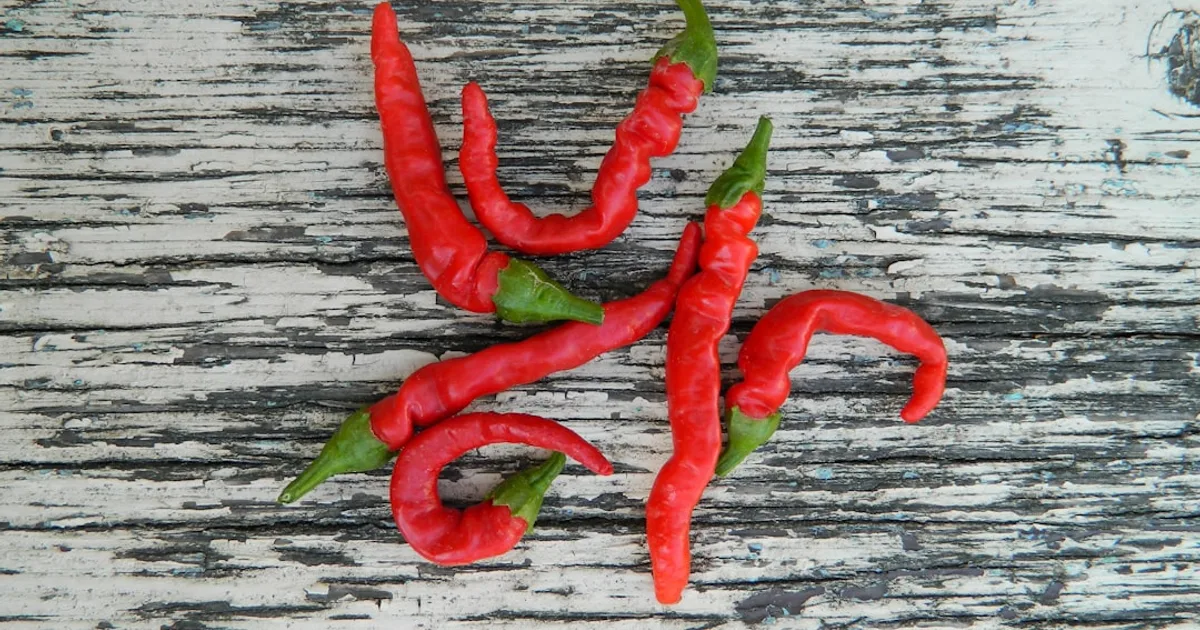
Hot peppers (Capsicum annuum) have a value multiplier that most garden crops don’t: fresh, they return $2.00 to $5.00 per pound at retail. Dried, they can return $8.00 to $15.00 per pound. Fermented into hot sauce, the per-ounce value of a jar you made yourself is essentially what you’d pay at a specialty food store. Jalapeños and cayennes are both C. annuum, both easy to grow, and both give you options for what to do with the harvest that most vegetables don’t.
The core trade-off compared to sweet peppers is heat tolerance at the cost of yield. A jalapeño plant under good conditions produces 25 to 35 pods weighing roughly 0.5 to 0.75 oz each - call it 1.5 to 2.0 lb per plant. A cayenne plant, with its thinner-walled, lighter pods, produces 50 to 70 pods and will often yield 3 to 5 lb. If your goal is bulk production for drying or fermentation, cayenne is the more efficient crop. If your goal is fresh jalapeños for cooking and pickling, the math changes toward jalapeño.
Jalapeño vs. cayenne: the actual differences
Jalapeño (C. annuum var. annuum, ‘Jalapeño M’ and similar) matures in 70 to 75 days. Pods are typically 3 to 4 inches long, thick-walled, and range from 2,500 to 8,000 Scoville Heat Units. The thick wall makes them ideal for fresh eating, stuffing, and pickling (en escabeche). Fully red jalapeños are riper, slightly sweeter, and slightly hotter than green ones - the red ones you see dried and smoked are chipotles.
Cayenne (C. annuum ‘Cayenne Long Red Slim’ and similar types) runs 70 to 85 days to maturity. Pods are 5 to 8 inches long, thin-walled, and measure 30,000 to 50,000 SHU. The thin wall dehydrates quickly and efficiently - you can air-dry cayennes by stringing them or finish them in a dehydrator in 6 to 8 hours at 125°F. Dried cayenne keeps its heat for 18 months in an airtight container.
Other C. annuum hot types: ‘Serrano’ ripens in 75 to 85 days and runs 10,000 to 25,000 SHU with a fruity, bright flavor preferred in Mexican salsas. Thai hot varieties (‘Thai Dragon’, ‘Prik Kee Nu’) are prolific C. annuum types that produce hundreds of small, thin-walled pods per plant. Their compact size and thin walls make them among the best candidates for air-drying and dehydrating. ‘Anaheim’ and ‘New Mexico’ types are mild (500 to 2,500 SHU), thick-walled, and excellent for roasting and canning - not the same use case as a jalapeño but in the same species.
For actual high-heat varieties - habanero, ghost pepper, Carolina Reaper - you’re looking at Capsicum chinense, a different species with longer days to maturity (90 to 120 days), higher temperature requirements, and yields typically lower than C. annuum types. Habanero and scotch bonnet (C. chinense) are the basis for Caribbean-style hot sauces. A 5-oz bottle of artisan habanero hot sauce at a farmers market or specialty food store runs $8-15 retail. The ingredient cost of homemade habanero sauce from 0.5 lb of peppers, white vinegar, garlic, and salt is roughly $1-2. If you sell at markets or give as gifts, the value conversion is compelling; even as a household consumer, making your own eliminates a $8-12 purchase per bottle.
The ROI case
At USDA ERS 2023 average retail prices, fresh chili peppers run roughly $2.50 to $4.00 per pound for jalapeños, more for specialty varieties. Cayenne is less commonly sold fresh at retail; dried cayenne powder at grocery stores runs $15 to $25 per pound. That gap between fresh value and dried value is where the home grower has a real advantage.
A cayenne plant yielding 4 lb fresh, dried down to approximately 20% of its fresh weight (Purdue Extension, Pepper Drying and Processing, HO-195), produces roughly 0.8 lb of dried pepper. At $15 per pound of dried cayenne equivalent, that’s $12 in grocery value from one plant. Your input is a $0.20 seed investment and about an hour of dehydrator time.
Jalapeño pickling works the same way. A quart of pickled jalapeños (en escabeche) made from fresh peppers costs roughly $0.50 in peppers and another $0.50 in vinegar, garlic, and salt. The grocery equivalent at a good Mexican market is $4 to $6 per jar.
Growing requirements
Hot peppers need warmer conditions than most warm-season crops. Start seeds indoors 10 to 12 weeks before the last frost date. Germination is optimal at soil temperatures of 80 to 85°F - below 65°F, germination rate drops sharply (Purdue Extension, Pepper Production, HO-192). Use bottom heat if your germination area runs cool.
Transplant outdoors when soil temperature is at or above 65°F and nighttime air temperatures are reliably above 55°F. Cold nights - anything below 55°F - stall growth and can prevent fruit set. This is stricter than the guidance for tomatoes or sweet peppers. A late-spring cold snap after transplanting won’t kill the plants but will set them back two to three weeks. In Zone 5, where last frost dates commonly run into mid-May and soil takes until late May to warm, use row cover (floating row cover, not plastic) over transplants for the first 2-3 weeks after planting to buffer nighttime temperature drops and give roots time to establish in soil that hasn’t fully warmed.
Full sun is more important for hot peppers than for most garden crops. Eight hours of direct sun is the practical minimum; more sun means more capsaicin production in the pods (Estrada et al., HortScience, 2000). A hot pepper in partial shade will grow, flower, and fruit - it just won’t be as hot, and yields will be lower.
Soil pH of 6.0 to 6.8. Hot peppers are moderate feeders. Amend with compost at planting; side-dress with a balanced fertilizer once plants start flowering. Don’t over-apply nitrogen - it produces lush foliage at the expense of pod production and makes plants more susceptible to fungal disease.
Water 1 to 2 inches per week. Let the soil dry somewhat between waterings once plants are established. Consistent moderate moisture produces better pod set than heavy irrigation followed by dry periods.
Capsaicin and heat variability
Capsaicin concentrates in the placental tissue (the white membrane inside the pod) and is highest in fully mature pods. Stress factors - heat, drought, and nutrient limitation - increase capsaicin concentration. A jalapeño grown in full sun with moderate irrigation will be hotter than one grown in partial shade with heavy watering, even from the same seed lot. This is documented and reproducible (Estrada et al., HortScience, 2000).
Removing seeds doesn’t reduce heat much - the seeds themselves contain very little capsaicin. The membrane does. Removing the placenta (the white rib structure) removes most of the heat.
What goes wrong
Bacterial spot (Xanthomonas euvesicatoria) is the most common disease problem. It produces water-soaked, dark lesions on leaves and fruit, spread by rain splash and overhead irrigation. Copper-based fungicide applications at 7-day intervals reduce spread in wet conditions. Resistant varieties (‘Revolution’, ‘Aristotle’) are available and worth planting if bacterial spot is a recurring problem in your region.
Phytophthora root rot (Phytophthora capsici) is a soilborne pathogen that causes sudden wilt and collapse, usually after heavy rain or overwatering. It’s the death blow for hot pepper plantings in heavy, wet soil. Raised beds with good drainage largely prevent it. There’s no treatment once the disease takes hold.
European corn borer (Ostrinia nubilalis) larvae bore into pepper pods, making them unmarketable and allowing secondary fungal rot. Check pods for small entry holes with frass. Bt-k applied to developing pods when moths are active prevents larval entry.
Aphids and thrips colonize new growth and transmit viruses including pepper mottle virus and tomato spotted wilt virus. Control with insecticidal soap; more importantly, manage weeds around the planting that serve as virus reservoirs.
Overwintering Peppers Indoors
Hot peppers are perennial plants in their native tropical and subtropical climates (Capsicum species originate in Central and South America). In temperate zones, they’re grown as annuals by default - but they don’t have to be.
Bring a healthy pepper plant indoors before the first frost and it will survive winter as a houseplant, resume full production the following season, and eliminate your transplant cost for Year 2 and beyond. An overwintered pepper plant starts the season weeks ahead of a new transplant because it already has a mature root system. Many experienced gardeners report higher yields from overwintered plants than from first-year starts.
The protocol: before first frost (with plants still actively growing), dig or unpot the plant. Prune it back by about one-third, removing all fruit and most of the leafy growth - this reduces the plant’s moisture demand during the lower-light winter period. Pot into fresh potting mix if not already in a container. Move indoors to the brightest available window (south-facing is ideal). Night temperatures above 55°F are essential; below 50°F, the plant may drop leaves and go dormant. Cut watering compared to the outdoor growing season - the plant is barely growing and needs far less moisture.
Through winter, the plant will look rough - some leaf drop, slow growth, little or no fruiting. This is normal. In late winter or early spring, as day length increases, move it to a south window with better light and increase watering. New growth flushes quickly. By the time outdoor transplant time arrives, the overwintered plant is already producing new branches and may have flower buds. Transplant it back out once temperatures allow, and it will fruit 4-6 weeks earlier than a new transplant.
The economic case: a $3.50 transplant cost for one pepper variety, eliminated for the life of the overwintered plant. If you overwinter 4-6 plants annually, that’s $14-21 in transplant cost avoided each year, with better early-season production as a bonus.
Drying, fermenting, and storage
Fresh hot peppers store refrigerated for two to three weeks. The value multiplication comes from processing.
Air drying works best for thin-walled types (cayenne, Thai). Thread pods on string through their stems and hang in a warm, well-ventilated spot out of direct sun. They’re fully dry in 3 to 4 weeks. Thick-walled jalapeños will mold before they dry at room temperature - use a dehydrator at 125°F for 8 to 12 hours.
Fermentation produces hot sauce. A basic brine ferment (2 to 3% salt by weight, peppers submerged, 5 to 7 days at room temperature) develops lactic acid, complex flavor, and natural preservation. Blend fermented peppers with a small amount of the brine, adjust consistency, and bottle. The result is closer in character to Tabasco or Cholula than to vinegar-based hot sauces. This is a repeatable process with a shelf-stable product that lasts months in the refrigerator.
Freezing whole peppers works well for jalapeños you intend to use in cooked dishes. Freeze on a baking sheet first, then bag. They don’t hold their fresh texture after thawing but perform fine in soups, chili, and sauces.
Related crops: Tomato, Green Bean
Related reading: Raised Bed Break-Even - how drying and preserving hot peppers changes the economics of a small raised bed; Lacto-Fermentation Preservation - fermenting hot peppers into hot sauce and what the math looks like on preservation value; Dehydrator ROI - dried cayenne and paprika from garden peppers; Harvest Glut Triage - best preservation method for pepper gluts
Frequently Asked Questions
How much do hot pepper plants produce?
A productive hot pepper plant yields about 3 lbs of pods per season. High-heat varieties like habanero and ghost pepper often produce more fruit by count, though smaller in weight.
How long do hot peppers take to grow?
Hot peppers take 70 to 85 days from transplant to first harvest. They are slower than sweet peppers, so start indoors 10 to 12 weeks before last frost.
Is growing hot peppers worth it financially?
Grocery hot peppers average $3.49/lb. A single plant returning 3 lbs yields about $10.50 against a $3.50 transplant - 3x return. Specialty varieties like shishito or Fresno can fetch $5 to $8/lb at farmers markets.
How do you store hot peppers?
Fresh hot peppers keep refrigerated for 1 to 2 weeks. Dry whole peppers in a dehydrator or string them to air-dry. Frozen peppers maintain heat and work well for cooking.
Growing Hot Pepper? Track your harvest value and break-even date in the Garden ROI app.
Get the App