
Water Spinach
Ipomoea aquatica
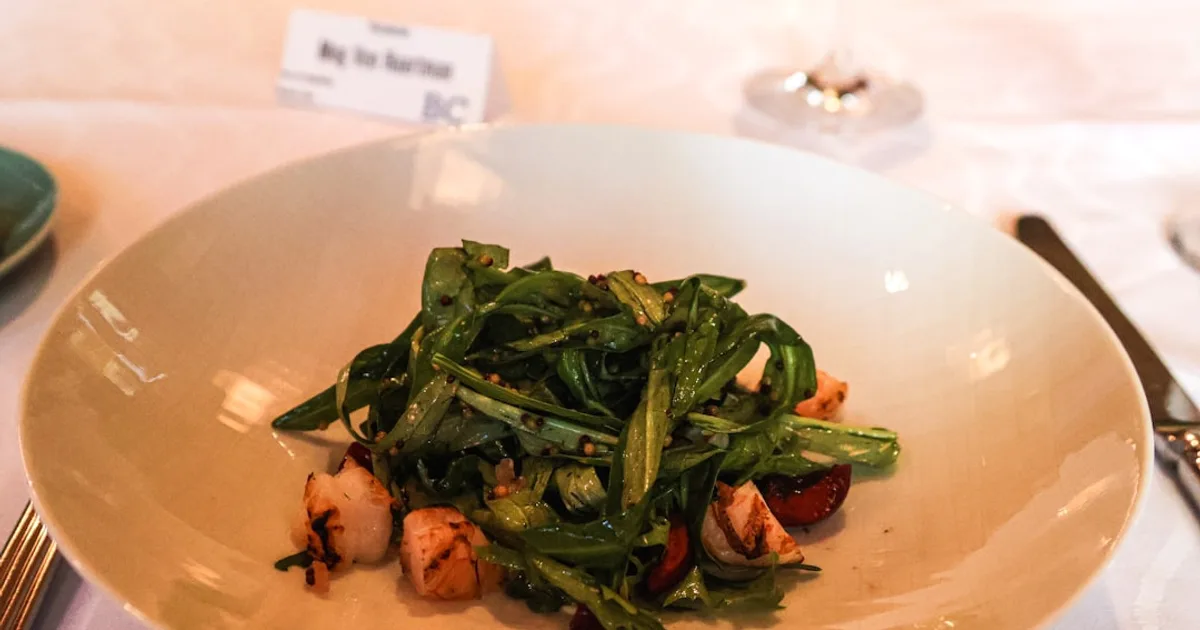
Water spinach fills a gap in the summer vegetable garden. Regular spinach (Spinacia oleracea) bolts in heat and disappears by June. Water spinach thrives in the same heat that kills spinach, grows faster than almost any food plant in the garden (30 days to first harvest), and regrows continuously after cutting for months. In July and August when greens options are limited, a patch of water spinach produces enough for daily cooking.
In Southeast Asian, Chinese, and Filipino markets, fresh water spinach - kangkong in Filipino, rau muống in Vietnamese, kong xin cai in Chinese - sells for $3-6/lb. It’s used in stir-fries, soups, and curries across multiple cuisines. Outside cities with large Southeast Asian or Chinese communities, it’s commercially unavailable. The access value is as significant as the financial one.
Legal Status - Read Before Growing
Ipomoea aquatica is listed as a Federal Noxious Weed in the United States by the USDA Animal and Plant Health Inspection Service (APHIS). This designation is due to the plant’s capacity to spread vegetatively in natural waterways, where it can form dense floating mats that outcompete native aquatics and impede water flow (USDA APHIS, Federal Noxious Weed List, current edition).
What this means practically:
- Florida, Texas, Hawaii: these states have their own noxious weed listings for I. aquatica and regulate its cultivation. Commercial production requires a state permit. Home gardeners in these states should check current state Department of Agriculture regulations before growing - the rules vary and have changed over time.
- All other states: the Federal Noxious Weed designation restricts interstate commerce (importing seeds or plants across state lines), not home cultivation. Growing I. aquatica in a home garden in most non-listed states is legal, but confirm your state’s own noxious weed list to be certain.
- Key containment principle: the invasive risk comes from plants growing in or adjacent to natural water bodies (streams, ponds, canals, wetlands) where stems can break off and establish downstream. Growing in raised beds, pots, or contained garden areas with no direct connection to natural waterways eliminates the ecological risk. In northern zones (5-8) where the plant does not overwinter outdoors, naturalization is impossible - the frost kills it.
If you’re in a warm zone (8+) near a natural waterway: grow in containers or raised beds, not in the ground near drainage to open water. In northern zones: standard garden beds are fine.
What It Actually Is
Ipomoea aquatica is in the morning glory family (Convolvulaceae) - the same family as sweet potatoes (I. batatas), and visually similar: the same heart-to-arrow-shaped leaves, hollow stems, and occasional small white or pale purple flowers. Native to tropical Asia and Africa, it grows naturally in waterways, ponds, and flooded rice paddies. The hollow stem structure is distinctive and important for cooking - the air-filled stems hold up differently than solid-stemmed greens in stir-fries, staying slightly crisp even when the leaves wilt.
Two growth types are cultivated:
| Type | Stem color | Leaf shape | Preferred environment | Flavor |
|---|---|---|---|---|
| Green/white stem | Green or white | Broader, arrow-shaped | Moist soil to waterlogged | Mild, slightly sweet |
| Narrow-leaf (red stem) | Reddish | Narrow, lance-shaped | Moist soil | Slightly stronger |
Both are prepared identically. The green/white stem type is more widely grown in home gardens; the narrow-leaf type is more common in commercial Asian vegetable production.
The ROI Case
Water spinach is among the fastest-returning crops per dollar of seed investment, particularly as a continuous-cut crop that regrows repeatedly from the same planting.
| Planting | Area | Seasonal yield | Value @$4/lb | Seed cost | Net |
|---|---|---|---|---|---|
| Small patch | 4 sq ft | 3-5 lb | $12-20 | $0.75* | $11.25-19.25 |
| Standard patch | 8 sq ft | 6-10 lb | $24-40 | $1.50* | $22.50-38.50 |
| Container (5 gal) | 1 container | 1-2 lb | $4-8 | $0.50* | $3.50-7.50 |
*Estimated from $2.99 packet yielding 4-5 plantings.
Cut-and-come-again advantage: harvest the top 6-8 inches of stem tips; the plant regrows from the nodes below the cut within 10-14 days. A single planting in late spring provides multiple harvests through summer and into fall, until frost kills the tops. In zones 9-11, the plant is perennial and produces year-round without replanting.
Zone Fit
Zones 9-11: perennial production. Ipomoea aquatica overwinters in frost-free zones, producing year-round in the tropics and through all but the coolest winter weeks in zones 9-10. Grow in moist garden beds or containers; manage invasive spread by keeping plants contained away from natural waterways. One established planting can persist indefinitely; divide or cut back hard in winter if needed to manage size.
Zones 8-9: reliable warm-season annual with a long production window. Transplant or direct-sow after last frost; in zone 8, expect 5-6 months of harvest from late April through October. First frost kills the tops but the root crown survives brief frosts to about 30°F; mulching extends the season in zone 8. Does not overwinter reliably in zone 8.
Zones 6-7: a productive summer annual. Direct sow after soil temperature reaches 70°F - in zone 6-7, this typically means late May to mid-June. Harvest window is 10-12 weeks before first frost. Total yields are lower than southern zones but still productive for the growing season.
Zone 5 and colder: possible but brief. The growing window from when soil hits 70°F to first frost is 8-10 weeks, which is enough for 2-3 harvests. Start seeds indoors 2-3 weeks before transplanting to extend the window slightly. Best grown in containers or raised beds that warm faster than in-ground soil.
Growing Requirements
Temperature: does not germinate below 70°F soil temperature and performs best with consistent warm weather above 75°F. It’s a tropical plant and doesn’t tolerate cold - transplant shock from cold nights below 55°F stunts growth noticeably.
Water: lives up to its name. Water spinach performs best with consistent moisture to wet conditions. A bed that stays consistently moist, a raised bed with frequent irrigation, or a container sitting in a tray of water all work well. You can also grow it in a container submerged in a pond or large water feature (in non-restricted states) - the most productive approach in warm climates.
Soil: any reasonably fertile soil with consistent moisture. A heavy nitrogen feeder - the rapid growth rate requires consistent nitrogen to maintain leaf quality. Amend with compost at planting; side-dress with a nitrogen source (blood meal, fish emulsion, balanced liquid fertilizer) every 3-4 weeks during the growing season.
Light: 6-8 hours of direct sun. Tolerates partial shade but production drops noticeably - the rapid growth rate slows and plants become etiolated.
Propagation options:
From seed: sow 1/4 inch deep after soil reaches 70°F, 4-6 inches apart. Germination in 7-14 days. Soak seeds overnight before planting to improve germination rate.
From stem cuttings: stems root readily in water within 7-10 days at warm temperatures (70°F+). A bundle from an Asian market is the easiest start - select stems with intact nodes, strip the lower leaves, place in water, and roots develop within a week. Pot up in moist soil once roots reach 1-2 inches. This method works reliably and sidesteps the seed germination timing issue.
Harvest protocol: cut stem tips 6-8 inches long with leaves. Always leave at least 2-3 nodes below the cut; the plant regrows from these. Regular harvest every 10-14 days keeps growth vegetative and delays flowering. Once the plant flowers, the stems become tougher and less tender. Cut off any flower buds as they appear to extend the harvest window.
What Goes Wrong
Aphids (Aphis gossypii - cotton/melon aphid; Myzus persicae - green peach aphid): both colonize water spinach during warm weather. Check the undersides of young leaves at the growing tips; heavy infestations cause tip curl and slow growth. Knock off with a water spray for light pressure; insecticidal soap for heavier colonies. Parasitic wasps provide useful natural control in unsprayed gardens.
Spider mites (Tetranychus urticae): pressure increases during hot, dry conditions. Mites thrive when plants are water-stressed - the first defense is consistent irrigation. Fine webbing on leaf undersides and stippled, bronzed foliage are the signs. Water spinach’s preference for moist conditions makes it somewhat less susceptible than drought-tolerant crops, but mite pressure in hot summers is real. Insecticidal soap or neem oil applied to leaf undersides at first sign; repeat every 7 days.
Slugs and snails: thrive in the moist conditions water spinach prefers. Feeding on young plants and growing tips. Iron phosphate bait is effective and safe around edible crops. Apply around the planting perimeter, not directly on the plants.
Yellowing leaves: indicates nitrogen deficiency, common given the plant’s rapid growth rate. Side-dress with a nitrogen source immediately. Fish emulsion or liquid fertilizer applied every 2 weeks prevents most deficiency.
Bolting to flower: happens when plants are under-harvested, drought-stressed, or responding to shortening days in late summer. Harvest frequently and remove flower buds as they form to keep plants producing tender stems.
Poor germination in cool soil: seeds germinate poorly below 70°F. Don’t rush planting in spring - waiting two weeks for soil to warm pays dividends in germination rate and initial growth speed.
Preservation
Water spinach wilts quickly after harvest - it’s a crop for fresh use, not storage. The hollow stems lose structure fast once cut.
Fresh: refrigerate immediately after harvest, stems wrapped in a damp cloth and stored in a plastic bag. Use within 2 days. After 2 days, stems begin to yellow and leaves become slimy at the cut ends. This is a cook-the-day-you-harvest vegetable.
Blanch and freeze: acceptable for cooked applications. Blanch cut stems and leaves for 30-45 seconds in boiling water, transfer immediately to ice water for 2 minutes, drain, and press dry. Freeze flat on a sheet pan, then transfer to bags. Frozen water spinach is suitable for stir-fries, soups, and curries where it’s cooked in liquid, but not for preparations where fresh texture is the point. The flavor holds well; the texture softens slightly.
Do not attempt to preserve fresh: drying destroys both texture and flavor entirely. There is no useful dried or pickled preparation for water spinach. Grow it, harvest it, cook it the same day. Freeze surplus immediately.
Kitchen Applications
The hollow stem is the defining structural characteristic. In stir-fries, the stems stay slightly crunchy while the leaves wilt fully, creating a textural contrast within a single vegetable. Cut stems into 2-3 inch sections rather than leaving them long - they cook more evenly and the hollow structure is apparent in the finished dish.
Stir-fried water spinach with oyster sauce: the most broadly applicable preparation and the easiest point of entry. Heat a wok or large skillet to high heat. Add oil, then 4-5 cloves of minced garlic; stir 15-20 seconds until fragrant. Add water spinach (stems first, then leaves); stir-fry on high heat for 2-3 minutes. Add 2 tablespoons oyster sauce and a splash of water; toss 30 seconds more. The oyster sauce adds salt and umami without masking the vegetable. This preparation appears across Chinese and Vietnamese home cooking, and is the version most readily reproduced without specialty ingredients.
Kangkong belacan (Malaysian/Indonesian): the definitive Southeast Asian preparation. Fry sliced garlic and dried shrimp paste (belacan) in hot oil for 30 seconds until fragrant and the shrimp paste darkens slightly. Add sliced fresh chilies; toss 15 seconds. Add water spinach; stir-fry on high heat for 2-3 minutes. The shrimp paste transforms the mild green into something intensely savory with depth that garlic alone doesn’t produce. One of the great stir-fries of Southeast Asian cooking.
Rau muống xào tỏi (Vietnamese garlic water spinach): simpler than the Malaysian version - garlic fried in oil, water spinach added and stir-fried 2-3 minutes with a splash of fish sauce and a pinch of sugar to balance. A common Vietnamese home preparation; appears at most Vietnamese restaurants as a side dish. The fish sauce adds the umami function that belacan provides in the Malaysian version.
Adobong kangkong (Filipino): water spinach braised briefly in vinegar, garlic, and soy sauce in the Filipino adobo method. The acidity holds the green color better than simple stir-frying and gives a sharper, more complex flavor than oyster sauce preparations. Works as a side dish alongside rice and sautéed pork.
In broth and soup: water spinach is added to hot broth in the last 60-90 seconds of cooking - pho, rice porridge, tom kha, laksa. The leaves wilt immediately; the stems retain slight structure. Adding water spinach to a broth-based dish at the end is essentially foolproof.
Raw in salads: tender young leaves work raw in Southeast Asian-style noodle salads and papaya salads, where their mild flavor and slight crispness add freshness. Use only the youngest leaves and tenderest stem tips for raw applications - older stems are too fibrous.
Related crops: Malabar Spinach - another tropical heat-tolerant green for summer gap-filling; Vietnamese Coriander - fellow Southeast Asian herb for warm-season growing; Yardlong Bean - tropical vegetable with similar heat-season overlap
Related reading: Summer Garden Planning - scheduling heat-tolerant crops for the June-August gap when cool-season crops have finished
Growing Water Spinach? Track your harvest value and break-even date in the Garden ROI app.
Get the App