
Agretti
Salsola soda
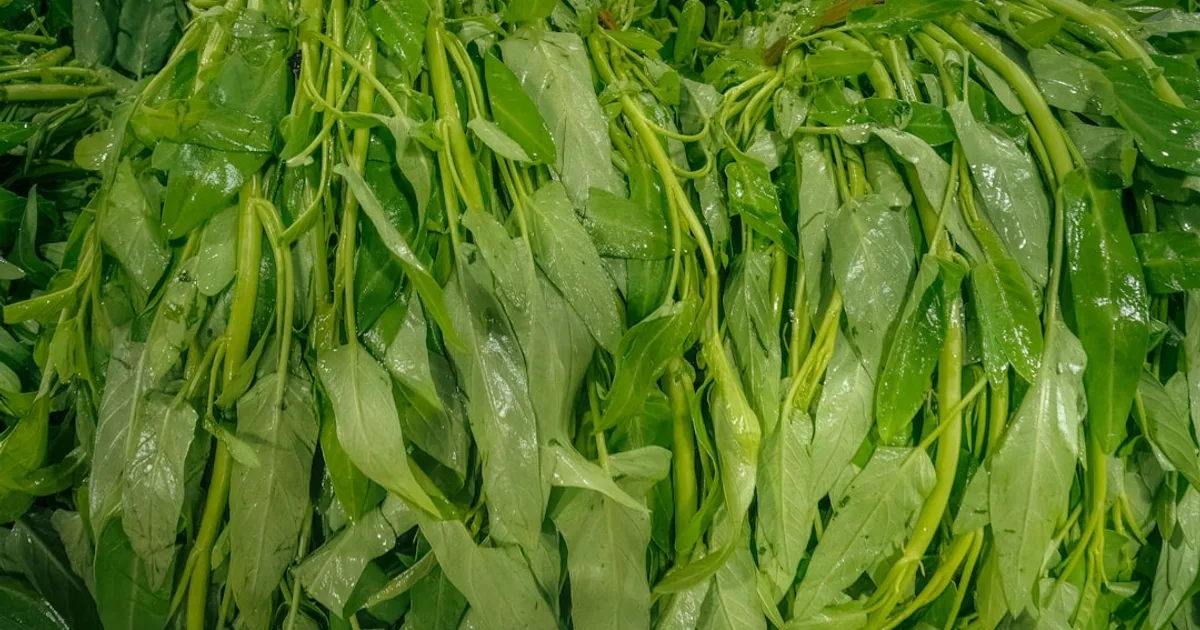
Agretti is a vegetable that turns up at Italian restaurants with enough frequency to have a reputation, and in grocery stores almost never. The plant looks like a clump of chives crossed with a succulent - thin, cylindrical, bright green leaves growing in tufts from branching stems. The flavor is mineral, slightly salty, and green in a way that’s adjacent to spinach but not identical: the texture is crisp and slightly succulent, the taste carries a salinity that comes from the plant’s halophyte (salt-tolerant) biology rather than added salt.
In Italy it’s a spring seasonal vegetable eaten raw in salads or briefly blanched and dressed with olive oil. At American specialty grocers and Italian markets, when it appears at all, it runs $8-15/lb. Its near-total absence from supermarkets is entirely a supply chain problem, not a demand problem - it’s difficult to source, ships poorly, and has a short season. Sourcing the seed is also more complicated than most vegetables, for reasons that matter.
What It Actually Is
Salsola soda is in the amaranth family (Amaranthaceae), native to the Mediterranean coast, and related to other halophytes including glasswort (Salicornia) and marsh samphire.
Common name confusion: this vegetable has more names than most, and all refer to the same plant:
- Agretti - the most widely used Italian name, most common in English gardening contexts
- Barba di frate - “friar’s beard” - used in central and southern Italy
- Roscano - regional name, also Italian
- Monk’s beard - the English translation of barba di frate, used in UK seed catalogs
- Land seaweed - descriptive English name, references the sea-vegetable flavor
If you see any of these names in a seed catalog or restaurant menu, it’s the same plant: Salsola soda.
Salsola kali (Russian thistle / tumbleweed) is a different species in the same genus - the one that blows across American deserts. The family resemblance is visible in the growth form, but S. kali is an invasive agricultural weed, not an edible Italian vegetable. These are distinct plants.
The plant grows 12-18 inches tall as a loose, branching clump of cylindrical leaves resembling a clump of ornamental grass. The leaves are 1-2 inches long, bright green, and very slightly succulent to the touch. It’s an annual that completes its lifecycle in 3-4 months and goes to seed in early summer heat.
CRITICAL: Seed Freshness
Agretti seed loses viability rapidly - within 6-12 months of harvest. This is the most important thing to know before attempting this crop.
Always use fresh seed from the current season or the prior year. Seed more than one year old has sharply reduced germination - often 10-20% instead of 70-80% with fresh seed. This single factor explains the majority of agretti planting failures in US home gardens.
What to do:
- Purchase from a reputable supplier who specifies the seed harvest year and turns over inventory annually
- Look for seed packets marked with a specific seed lot date from the current year or the year prior
- Avoid seeds that have been sitting on a garden center shelf with no dating information
- If saving your own seed: collect from dried seed heads in early summer, store in a cool (below 60°F), dry, dark location, and sow the following spring - this is the most reliable supply of verified-fresh seed
- Pre-soak seed overnight before planting to improve germination rates and compensate for any marginal viability
If you plant agretti and see poor germination after two weeks at appropriate soil temperatures, the seed is almost certainly old. There’s no recovery from old seed - you need a fresh packet.
The ROI Case
Agretti produces a modest yield from a small footprint, with most of its value in access rather than direct grocery substitution.
Specialty market pricing: $8-15/lb where available (specialty and Italian market retail; USDA AMS does not maintain a price series for this crop). Commercial availability is minimal in most US regions.
| Planting | Plants | Yield | Value @$10/lb | Seed cost | Net |
|---|---|---|---|---|---|
| 1 sq ft (dense) | 15-20 | 0.4-0.6 lb | $4-6 | $1.75* | $2.25-4.25 |
| 4 sq ft patch | 50-60 | 1.5-2.5 lb | $15-25 | $3.49 | $11.51-21.51 |
| Row succession (2) | Same plot | 2.5-4 lb | $25-40 | $3.49 | $21.51-36.51 |
*Estimated from $3.49 packet yielding 2-3 plantings.
The financial case isn’t spectacular on a per-pound basis. The real value is access: agretti is an ingredient category that doesn’t exist at conventional supermarkets in most US cities. Growing it costs a fraction of what you’d pay at an Italian restaurant that sources it, and those restaurants pay $12-20/lb in season from specialty produce distributors.
Zone Fit
Zones 5-6: spring-only crop. Direct sow 2-4 weeks before last frost when soil temperature is above 45°F. In zone 5, this typically means April sowing for a May-June harvest. The full season is short - 8-10 weeks from sowing to the end of harvest before heat causes bolting. Fall sowing is difficult in zone 5 because the window between when it cools down from summer and first frost is narrow; concentrate effort on spring.
Zones 7-8: two-season crop. Spring sowing from late February to late March; fall sowing from late August to mid-September. The fall planting is often the more productive one because the plant grows into cooling temperatures rather than warming ones - it produces for longer before cold shuts it down entirely. In zone 8, the fall crop can extend into December.
Zones 8-9: three-season potential. In mild winters (zone 9), sow in fall and harvest through winter and early spring; sow again in late winter for a spring crop. The summer gap (May through August) is unavoidable in zone 8-9 as heat above 75°F triggers bolting. Zone 9 coastal microclimates (Pacific Coast) extend the spring harvest into early June.
Zone 10+: not suitable. The plant cannot complete its growth cycle without cool temperatures. A brief cool-season window in coastal zone 10 areas may allow a short crop, but productivity is reduced.
Growing Requirements
Cool season only: agretti is a cool-season plant that bolts in heat. The productive window runs from soil temperature above 45°F through the point when daytime temperatures consistently reach the mid-70s°F. In most of the US, that’s a 6-10 week window in spring and a similar window in fall.
Harvest window is short: plan for 4-6 weeks of harvest from first cut to bolting. Succession sowings 2-3 weeks apart extend the productive window. Two successions in spring give 6-8 weeks of harvest; a single fall sowing may give 6-10 weeks depending on zone.
Direct sow: seeds 1/4 inch deep, 1-2 inches apart in rows or broadcast lightly. Thin to 3-4 inches if heavily crowded - plants need some air circulation. Germination at 50-65°F in 7-14 days. Don’t sow in hot soil; germination drops sharply above 70°F soil temperature.
Indoor starts: not recommended. Agretti doesn’t transplant well due to its taproot; direct sowing is both simpler and produces better results.
Soil: tolerates sandy, somewhat poor soils - its halophyte adaptations mean it doesn’t need rich conditions. Decent drainage and consistent moisture are more important than fertility. Very salt-tolerant; can be grown near coastal saltwater spray or in slightly saline soils where other vegetables fail. pH 6.0-7.5; broadly adaptable.
Water: 1 inch per week; keep consistently moist during germination and early growth. Established plants tolerate short dry spells but consistent moisture produces better leaf quality and delays bolting. Mulching helps retain soil moisture and keep root zone cool.
Fertilizer: light application at planting - compost worked in is sufficient. Agretti doesn’t need heavy fertilization. Yellowing leaves in poor soils indicate nitrogen deficiency; side-dress with fish emulsion or blood meal if this occurs.
What Goes Wrong
Germination failure: the most common problem, and almost always caused by old seed. Fresh seed from a reliable supplier, sown in cool soil (50-65°F), germinates at 70-80%. Old seed in warm soil: much lower. Pre-soak overnight to improve germination in any seed. If germination is still poor after 14 days, the seed is old - get a new packet.
Bolting before adequate harvest size: plants should reach 6-10 inches before bolting triggers. If small plants (3-4 inches) are already going to seed, either the sowing was too late in spring (planted into warming soil), the temperatures spiked earlier than expected, or a fall sowing was started too early (too much warm weather ahead). Fall sowings (August-September in most zones) avoid the spring heat problem by running into cooling temperatures.
Yellowing leaves: nitrogen deficiency in poor soils. Side-dress with a nitrogen source at mid-growth if plants look pale - fish emulsion is fast-acting and appropriate for the scale of a typical agretti planting.
Leaf tip browning: can indicate heat stress or low humidity. In a sheltered, part-shaded site during warm spells, this is less common. Row cover can extend the cool-season window a few degrees.
Rot at base: overwatering or poor drainage, especially in clay soils. Ensure adequate drainage; don’t let plants sit in waterlogged conditions. Raised beds help in heavy-clay gardens.
Preservation
Agretti is an eat-it-fresh crop with a very limited preservation window. The flavor compounds are volatile and the succulent texture doesn’t survive most preservation methods well.
Fresh: refrigerate in a damp cloth up to 5 days. After 5 days, the leaves yellow and the texture becomes limp. This is not a crop to batch-cook and refrigerate - quality declines fast.
Blanch and freeze: the only practical preservation method. Blanch for 60-90 seconds in boiling salted water; transfer immediately to ice water for 2 minutes; drain and press dry thoroughly. Freeze flat on a sheet pan, then bag. Frozen agretti keeps 6-8 months and retains flavor well for cooked applications - pasta sauces, frittatas, soups, and grain dishes where it’s cooked into the preparation rather than served as a fresh vegetable. The texture softens after freezing, but the mineral-salty flavor holds.
Drying: not suitable. The aromatic and flavor compounds that make agretti distinctive do not survive drying at useful quality. Dried agretti is effectively flavorless. Don’t attempt it.
Pickling: can be pickled in a standard white wine vinegar brine (2 parts vinegar, 1 part water, salt, garlic). The pickled version has a sharp, briny character that works in grain salads and as a condiment. Quick refrigerator pickle (24 hours minimum) is better than long-fermented; the texture holds for about 2 weeks refrigerated.
Kitchen Applications
Agretti’s natural salinity is the defining flavor characteristic. Taste before adding salt - a properly grown and freshly harvested bunch needs far less added salt than most vegetables.
Blanching: most Italian preparations start with a brief blanch (30-60 seconds in boiling water, then ice bath) that softens the stems slightly, mellows the raw salinity, and brightens the green. The blanched version is milder and more versatile than raw. Raw agretti has more of the salty-mineral character - use it in salads where that intensity is an asset.
Agretti in aglio e olio: the canonical preparation. Blanched agretti tossed in a wide pan with garlic-infused olive oil and a pinch of dried chili. Two minutes over medium-high heat. Served warm or at room temperature as a contorno (side dish). Nothing obscures the vegetable’s own flavor. Finish with a squeeze of lemon and coarsely ground black pepper.
Raw agretti salad: raw leaves washed, dried, dressed with extra-virgin olive oil, fresh lemon juice, and shaved Parmigiano-Reggiano. Eat immediately after dressing - raw agretti wilts within minutes of acid contact. The raw character is more mineral and saline than the blanched version; the texture is closer to samphire or crisp young asparagus tips.
Frittata with agretti: blanched agretti squeezed dry, folded into beaten eggs with Pecorino Romano. Cook in a well-oiled oven-safe skillet: stovetop until the edges set, finish under the broiler. The frittata carries the green flavor throughout and the mineral character of the agretti amplifies with the egg and cheese. A classic Roman spring lunch.
Pasta with agretti: blanched agretti tossed with spaghetti alla chitarra or tonnarelli, olive oil, garlic, anchovy (3-4 fillets melted into the oil), lemon zest, and black pepper. The sea-vegetable quality of agretti has an affinity with anchovy that makes this a more complex preparation than the ingredient list suggests. Bottarga (dried mullet roe, grated) in place of anchovy is the Roman restaurant version.
Japanese-influenced preparation (ohitashi style): blanched agretti dressed with dashi, soy sauce, and mirin in the Japanese ohitashi style. The salty-mineral quality of agretti translates well into Japanese seasoning; the combination works better than it might seem. Garnish with katsuobushi (bonito flakes) and a few drops of sesame oil.
Grain bowls: blanched agretti adds texture and mineral flavor to farro, barley, or spelt salads. Combine with roasted cherry tomatoes, fresh mozzarella, and a lemon-olive oil dressing. The agretti holds up against other strong flavors better than spinach or arugula.
Related crops: Purslane - fellow succulent-textured edible green; Watercress - another mineral, peppery specialty green; Malabar Spinach - summer substitute for the gap when agretti has bolted
Related reading: Succession Planting Calendar - timing cool-season crops in narrow spring and fall windows
Growing Agretti? Track your harvest value and break-even date in the Garden ROI app.
Get the App